 Written by
 Few songs have defined a band or a genre quite as much as Free Bird. Lynyrd Skynyrd’s ode to the freedom of the road and the people it leaves behind wasn’t their biggest hit chart-wise – Sweet Home Alabama and That Smell both outdid it in the Billboard chart – but it became their passport to immortality and the unofficial anthem of the southern rock nation.
“It’s about what it means to be free, in that a bird can fly wherever he wants to go,” singer Ronnie Van Zant said in the 70s. “Everyone wants to be free. That’s what this country’s all about.”
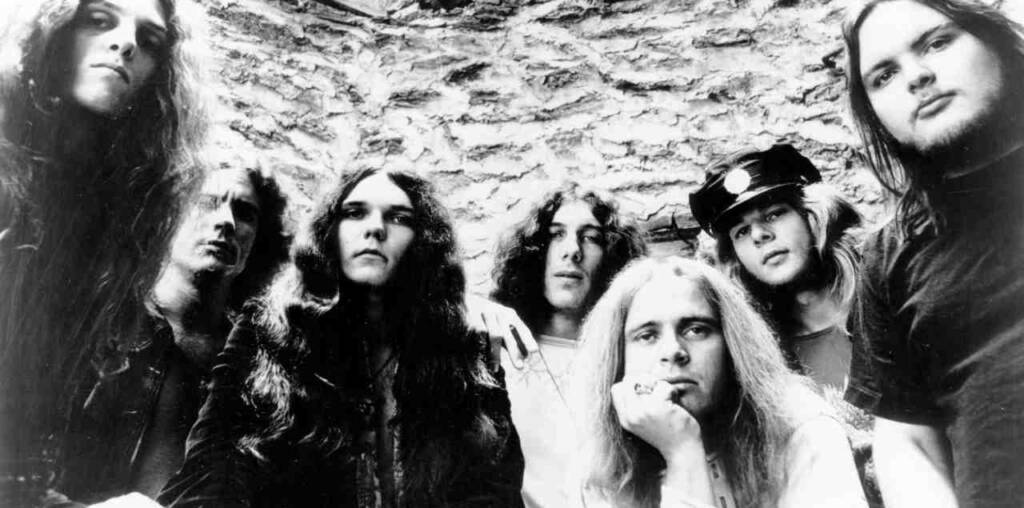
The seeds of Skynyrd were sown in 1964, when Ronnie Van Zant, guitarists Allen Collins and Gary Rossington and original drummer Bob Burns had met at a baseball game in Jacksonville and decided to form a band. By the end of the decade, they’d christened themselves Lynyrd Skynyrd, after a hated high-school sports teacher.

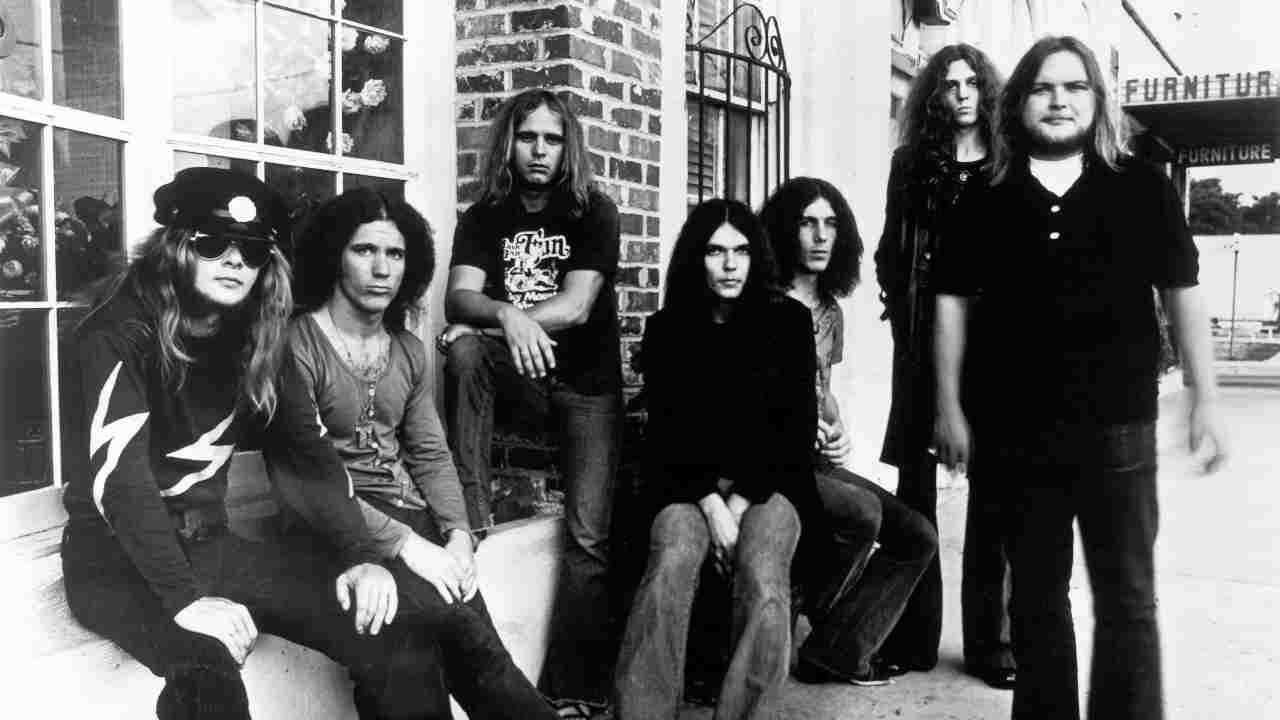
Ronnie Van Zant was the unelected leader of the band, although Rossington and Collins soon formed their own partnership. “Me and Allen played all the time,” Rossington told Classic Rock in 2019. “Even when we weren’t practising with the band, we would play together at his house.”
One day, Collins arrived at the stiflingly hot tin-roofed shack nicknamed the Hell House that the band used as their rehearsal room with the skeleton of a song he’d come up with.
“That was one of the first things he’d ever wrote,” said Rossington. “He’d only done maybe two or three things before that.”
Collins played it to his fellow guitarist, who told him it was great. Ronnie Van Zant , however, was less convinced. “Ronnie thought there were too many chord changes,” recalled Rossington. “He said: ‘I can’t write lyrics to this, there’s too much happening.’ He just couldn’t get it. He didn’t hear nothing.”
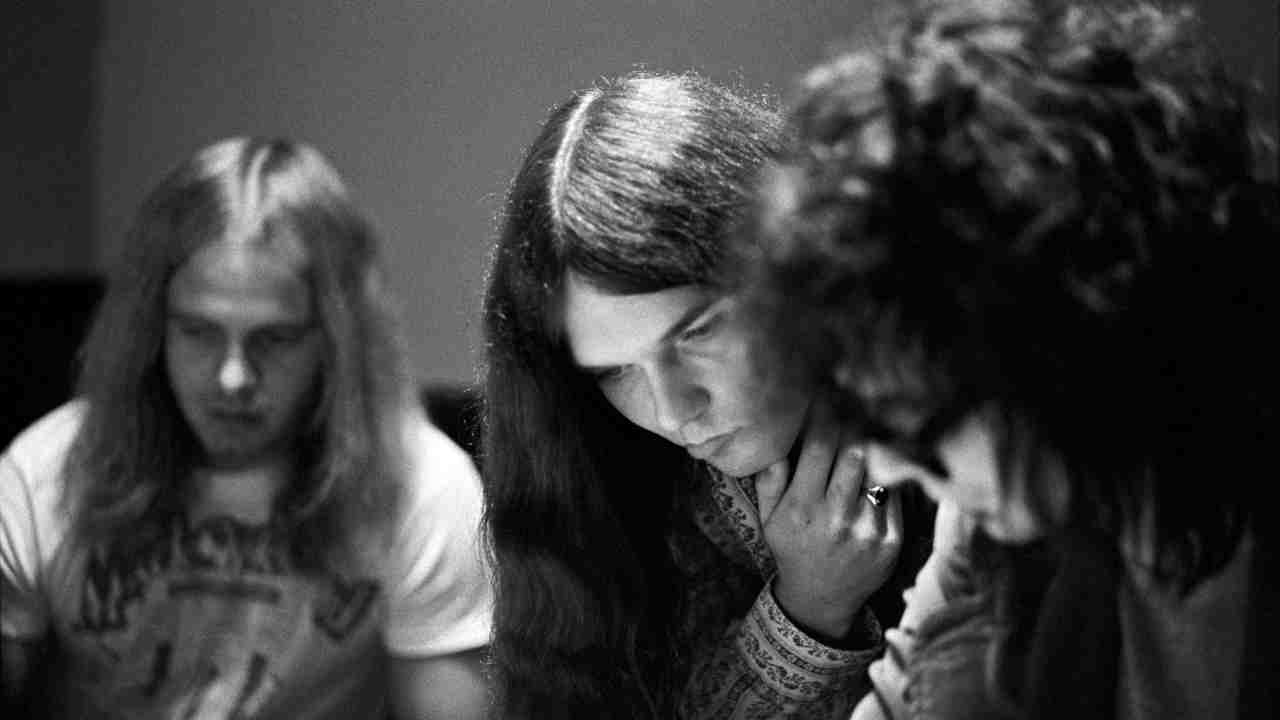
The notoriously intractable singer refused to budge, but that didn’t stop Collins and Rossington from continually practising the song. Eventually their war of attrition paid off.
A bird can fly wherever he wants to go. Everyone wants to be free. That’s what this country’s all about.
Ronnie Van Zant
Rossington: “One day, Ronnie went: ‘Okay, play it again.’ He made Allen play it a bunch of different times. And finally he got a verse or a melody in his head. And he started practising that, playing Allen’s chords. He wrote the lyrics just laying on the couch.”
Ironically, Rossington insisted that the band initially saw Free Bird as just another song: “We didn’t even think much of it at first.” But they swiftly realised they’d hit on something special the very first time the band played it live.
“It was at a place called the South Side Women’s Club in Jacksonville,” he recalled. “We played that song, but just the slow part. We didn’t have the jam at the end then. We ended it before the guitars came in, but everybody still got off on it. They clapped us so much.”

A demo of the song recorded in 1970 and included in the band’s 1991 box set lasts just four minutes. That’s how Free Bird sounded for a while. The band would play the first half of the song, fuelled by Ronnie’s sorrowful vocals, wrapping it up after four or five minutes. But Collins and Rossington gradually started to add a short guitar outro.
“Just a minute or so,” said Rossington. “But one night we were playing a club and Ronnie said: ‘Play that a little longer, my voice is hurting, I need a break. So we played two minutes or three minutes. Then two days later his throat was all sore and he could hardly talk, and we ended up playing it ten minutes at the end, just jamming.”
Collins and Rossington tightened up the outro and pianist Billy Powell added a mournful intro before the band went into the fabled Muscle Shoals studio in Alabama in 1973 to record what was supposed to be their first album. Future Blackfoot frontman (and latter-day Skynyrd guitarist) Rickey Medlocke was their drummer at the time.
“I remember sitting in the Hell House, watching those guys playing it, and even then I knew it was something special,” Medlocke told Classic Rock in 2019. “People always ask me: ‘What’s the hardest song to learn when you rejoined the band? Is it Free Bird?’ And I go: ‘No, I knew all the licks in that song cos I was playing drums in Muscle Shoals when we cut the original version.”
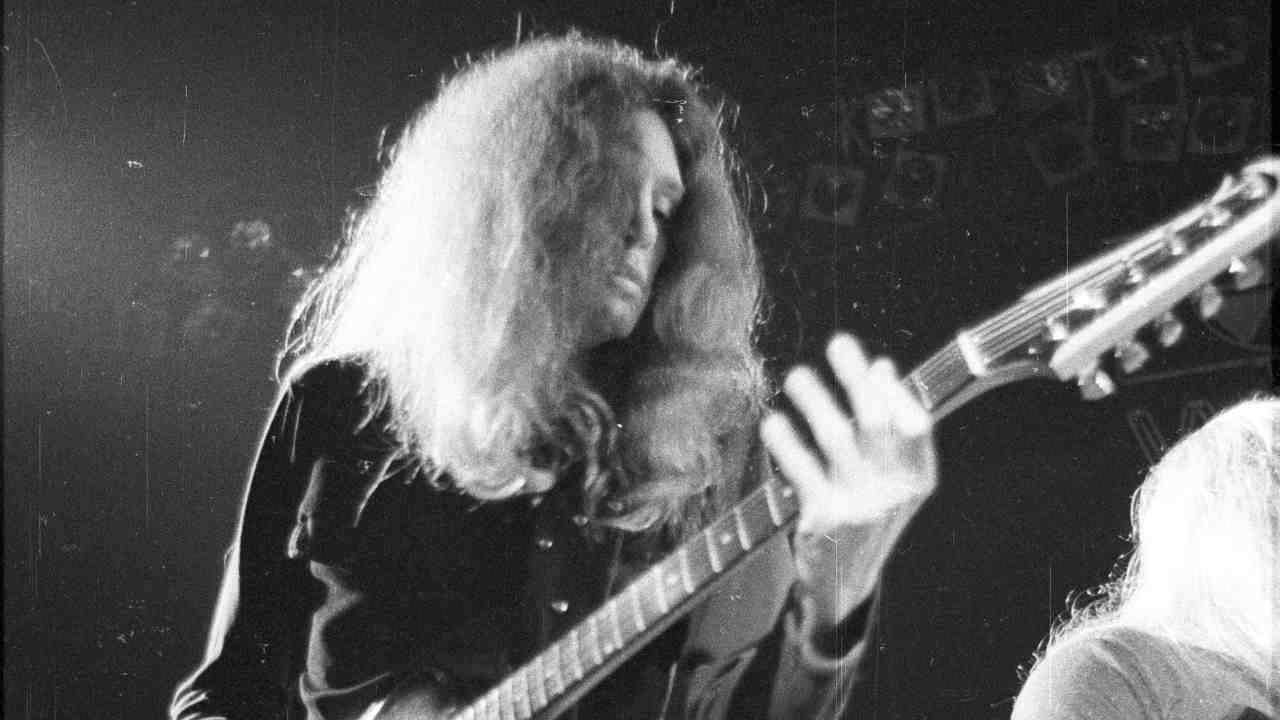
The Muscle Shoals album would remain unreleased until 1978. But the band revisited the song for their debut album proper, 1973’s Pronounced ‘Leh-’nérd ‘Skin-’nérd, with producer Al Kooper. By then they were a well-drilled unit, with Ronnie Van Zant cracking the whip hard. Free Bird had stretched out to nine glorious minutes.
I remember sitting in the Hell House, watching those guys playing it, and even then I knew it was something special.
Rickey Medlocke
“The thing Ronnie did that was different from other bands was that he wanted that band to sound the same every night,” Kooper said later. “He was not interested in improvisation at all. Every bit of Free Bird was planned out before I came into the picture. Every guitar solo was played exactly the same. I have never met a band that did that. It was pretty amazing.”
Skynyrd’s label, MCA, were reluctant to put it out as a single. “They thought it was too long to be a hit,” said Rossington. “Mind you, so did we.” But the song took on a life of its own on stage, and the record company changed their mind. Free Bird was eventually a hit in 1974, more than a year after it was originally released.
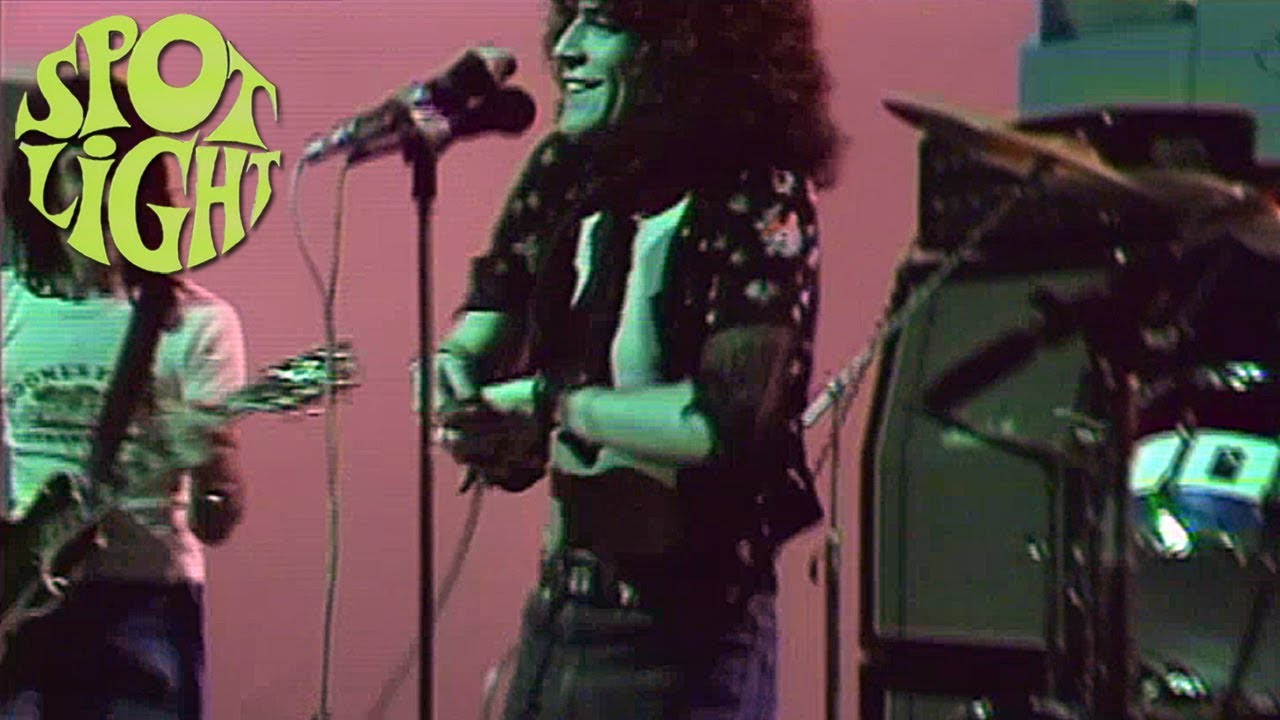
None of the men who played on the most famous version of Free Bird are around today. Ronnie Van Zant was killed in a plane crash in 1978, Allen Collins died in 1990 and Gary Rossington passed away in 2023 (Rickey Medlocke continues to play in Lynyrd Skynyrd, along with Ronnie’s younger brother, Johnny).
Yet more than 50 years after it was originally released, Free Bird remains Lynyrd Skynyrd’s signature track and one of the cornerstones of the classic-rock canon. Even now, rolling down the road has never sounded so romantic.
“Jeez, most of our songs are about rolling down the road,” Rossington said in 1990. “Sweet Home Alabama, What’s Your Name?, Whiskey Rock-A-Roller, Travelling Man. But I guess Free Bird is the ultimate one, and that’s why it stuck.”
Originally published in Classic Rock issue 267 (September 2019). Updated in May 2026