 Written by
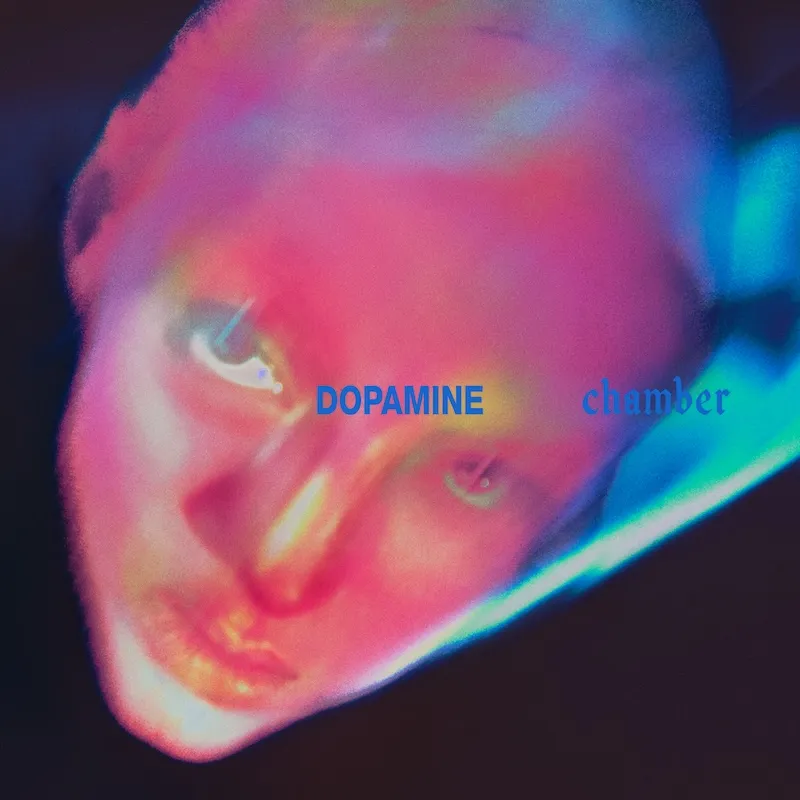
Dopamine Chamber, the fifth album by Fontaines D.C., is fueled by a hardwired sense of sadism. The general thrust of the album is right there in the title, but frontman Grian Chatten is savvy enough to know that screaming “phone bad” is just another performance, like how governments keep blowing past their carbon emission targets, or how all the AI companies are in agreement that somebody should put some limits on this thing. So rather than make an angry record about technology, or a scary one with the sad impotence of a Black Mirror episode, Fontaines have made a seductive one: a sleek stadium-rock record that sparkles like a lab-grown diamond the size of your fist. It whispers directly to its listener, promises we can live “for a million years,” that “you can go on dreaming”—and that maybe the best thing to do before oblivion is dissociate with a finely crafted pop song.
By its end, Dopamine Chamber has promised you the world and hollowed you out, leaving you in the kind of blue-light shame familiar to camgirl addicts or online gamblers: If Chatten and co. push one idea on this album, it’s that most of us have padded ourselves with vices to the point that it’s hard to process much of anything anymore. But before they steal your watch, Fontaines have the good manners to show you a few unreal landscapes: Dopamine Chamber evokes ice palaces ruled by hostile monarchs, palatial pan-European jazz clubs, romantic holidays set against the apocalypse. Forget the all-in-this-together spirit that stadium-rock bands, which Fontaines now emphatically are, are supposed to dish out by the truckload: This is cruel, beautiful feel-bad music.
No score yet, be the first to add.
Bass player Conor Deegan has said that Dopamine Chamber stems, at least in part, from the question: Where do you escape to? True to that, its gorgeously rendered songs can feel a little like potemkin villages masking darker environments. It also emphatically answers the question of the band’s last couple of years: What’s the point of Fontaines D.C. in a stadium setting? The five-piece’s 2024 record Romance was a commercial success in the UK and Ireland, but a stark departure from the soused post-punk of their first three records as Chatten, Deegan, and bandmates Conor Curley, Tom Coll, and Carlos O’Connell took inspiration from Britpop, Lana Del Rey, and the Cure. The sound was big and rapturous, a far cry from the seamy, hyperliterary world of 2022’s Skinty Fia. Chatten’s writing had not lost its essence—that of a witty, wired omniscient narrator—but the album itself didn’t necessarily leave Fontaines any room to grow.
The shift on Dopamine Chamber can’t be summed up with words like “bigger” or “hookier.” (It’s certainly not more populist: “Give me something to hope for, and then I’ll write that album,” Chatten says in press materials.) The album’s appeal is as ineffable as it is incontrovertible, maybe best captured by lead single “Marianne.” Here’s Fontaines at their most relentless, building a callous rhythm that lurches back and forth like a cable car in the wind, over which Chatten begs obliteration: “This year/You should come and stay here/You can follow my lead/I can help you disappear,” he sings, sounding like an emissary of some nefarious being. Chatten’s voice has always been key to Fontaines’ magnetism, and here he uses it to its full potential, frequently singing in the second person and modulating to sound hypnotic, enticing, a little scary. Across Dopamine Chamber, he fits himself into the role of the trickster trying to lure you into temptation, offering to come over if you have a “genuine need to be desired,” telling his prey “I’m just like you,” claiming that the end of humanity will look “so pretty in the final scene.” The broader image he gestures at is an unnerving one: that of a society so driven to pleasure that we’re more than willing to walk into the belly of the beast for one more hit.
True love might be the greatest casualty. Chatten has always written lyrics from the vantage of a cynical romantic, or a hopelessly romantic cynic, depending on how you look at it. Here, he reframes the idea of a love song, suggesting that maybe we’re fucked to the point of treating love as just another dopamine hit. There’s something deliciously mean-spirited about pairing the gorgeous dream-pop ballad “Japan” with lyrics about a male manipulator too strung out on affection to understand what he’s doing. On the grungey “Demolition,” he can’t seem to separate feeling good from feeling bad: “Thanks for stalking my zone/Thanks for leaving me prone/Had the prettiest day/If you want me I’ll stay.” The pessimism on Dopamine Chamber is enough to make you think that the title refrain of Romance—“Maybe romance is a place”—was just a great line.
But Dopamine Chamber isn’t that prescriptive. It seems designed to push buttons—buttressing cynicism with beauty, and vice versa—and instill a sense of realism about how far gone we are right now. On “Where Is Gone?,” Chatten and Rosalía trade verses about romance like Lee and Nancy transported to a crumbling, desolate future. Except they’re not equals in the song: When Rosalía sings, “I could care less,” Chatten responds, with snakelike coldness, “So care less.” The song is one of the most beautiful either artist has recorded, and one of the most chilling. “It’s just the start of another show/To hurt you and make you feel alive,” Chatten sings. Dopamine Chamber is adept at both.