 Written by
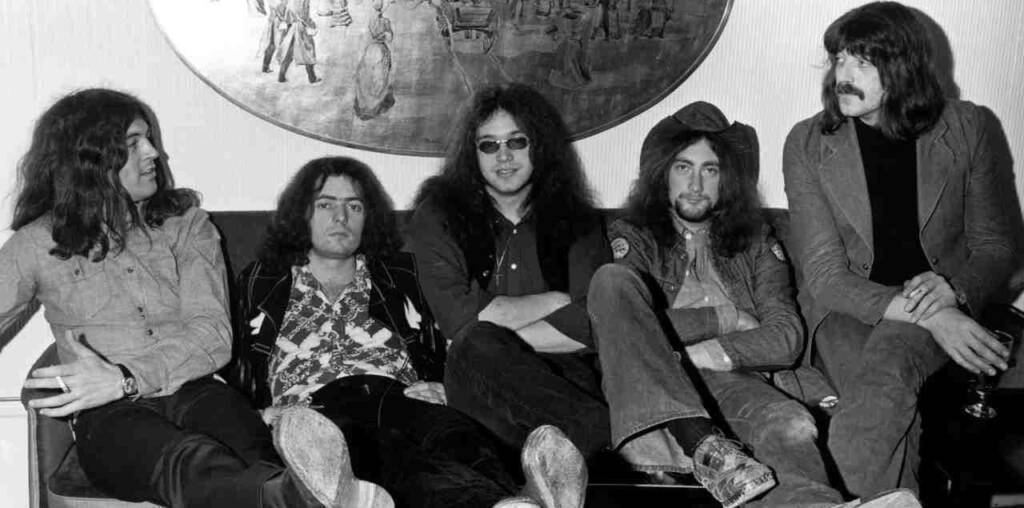
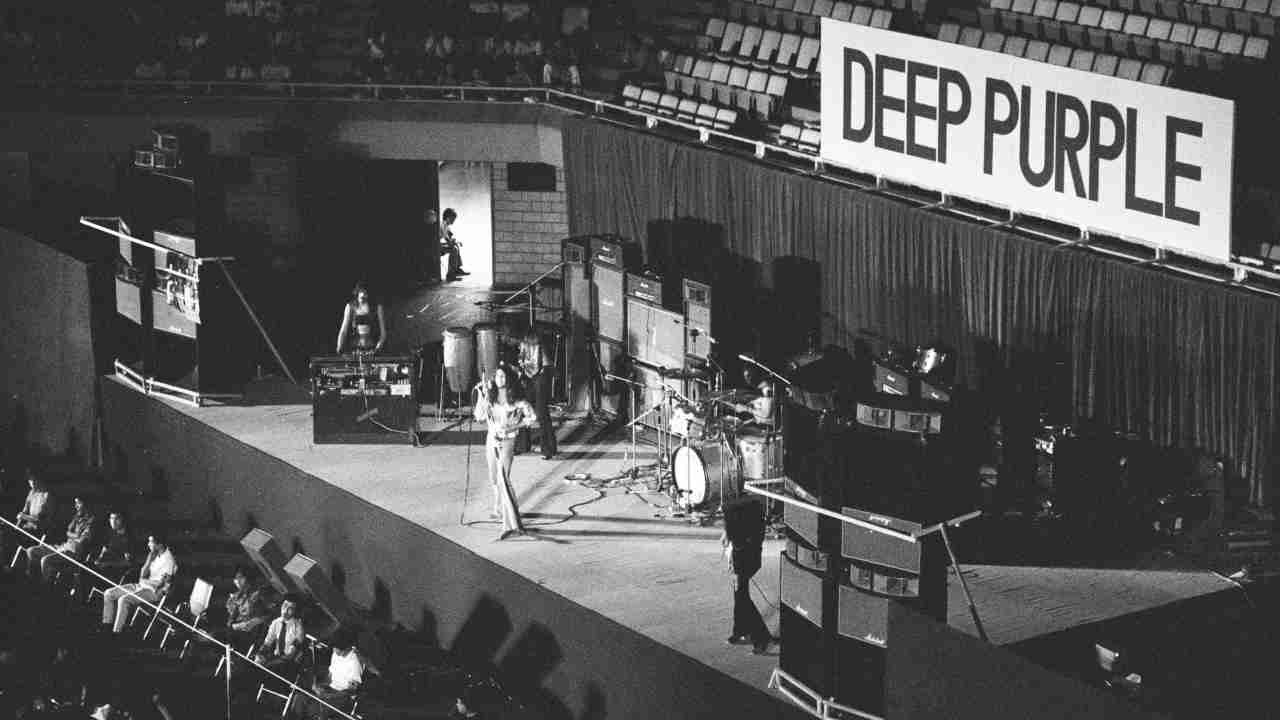
 Osaka, August 15, 1972. In the Kosei Nenken Kaikan concert hall, Deep Purple are playing their first ever show in Japan. Over the past three years, the stage has become their home. It’s not just the non-stop touring – this year alone they’ve already completed four North American tours, two European tours and several UK dates. It’s because the stage is the place where Deep Purple – and specifically the MK II line-up – really stake out their turf, where they define their musical identity.
The band learnt long ago that there was no point in rehearsing for shows. As soon as they get on stage, routine flies out of the window. With guitarist Ritchie Blackmore, keyboard player Jon Lord and drummer Ian Paice regularly veering off-piste, things would happen that weren’t planned – often amazing things.
Not tonight, though. Used to the uninhibited antics of Western audiences blitzed on green weed and red wine, the band have suddenly become strangers in a strange land. There is a deafening round of applause as each of the band members walks causally on to the stage, only for it to stop dead before they even get to their instruments. Over the years, Japanese audiences would become notorious for their restraint, but in 1972 nobody knew this. Least of all Deep Purple.
Latest Videos From Louder

The show starts much earlier than they are used to. It’s barely six o’clock when Ian Paice’s rat-a-tat beat joins Jon Lord’s tra-la-la-ing Hammond organ that signals the intro to set-opener Highway Star, prompting another burst of polite but brief applause. Even the hard-to-impress Ritchie Blackmore appears baffled as he curls his black-clad form around his white Stratocaster and stares in disbelief at the audience.
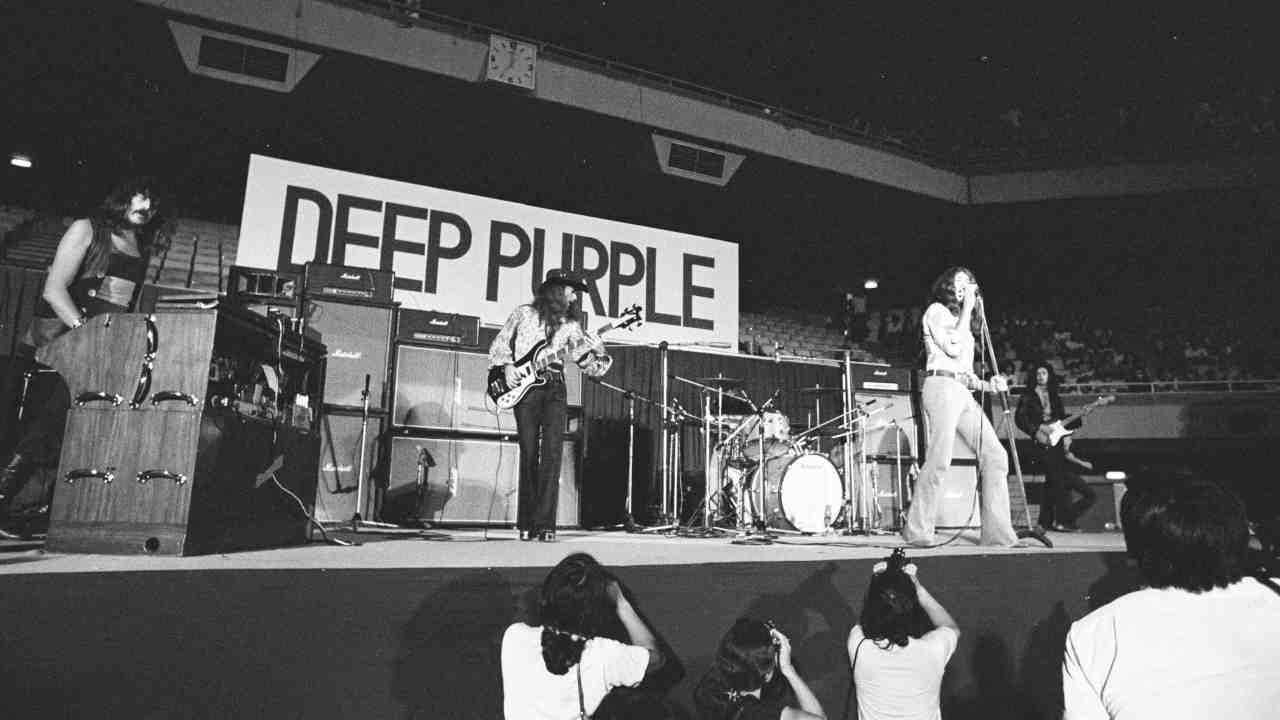
But there is another reason why Deep Purple are struggling to kindle their fire tonight: they are recording the show.
“We’d never done it before,” says bassist Roger Glover. “In fact we had no idea what we even sounded like, only having listened to very poor quality bootlegs before. We just didn’t have the fireworks that we normally did – thinking we better not make a mistake.” Four decades on, you can still hear the stress in his voice.
Fortunately there’s a safety net: they are taping their second show at the same venue the following night. This time there’s no room for error.
“We didn’t care any more,” says Glover. “We just forgot about it and let fly. Which is why most of the stuff on the album comes from the second night.”
The album he’s referring to is Made In Japan, the momentous double live record released later that same year. Now regarded as one of the all-time great live rock albums, it also marked a watershed moment in the history of Deep Purple: a peak of performance that, paradoxically, found the band teetering on the brink of self-destruction.
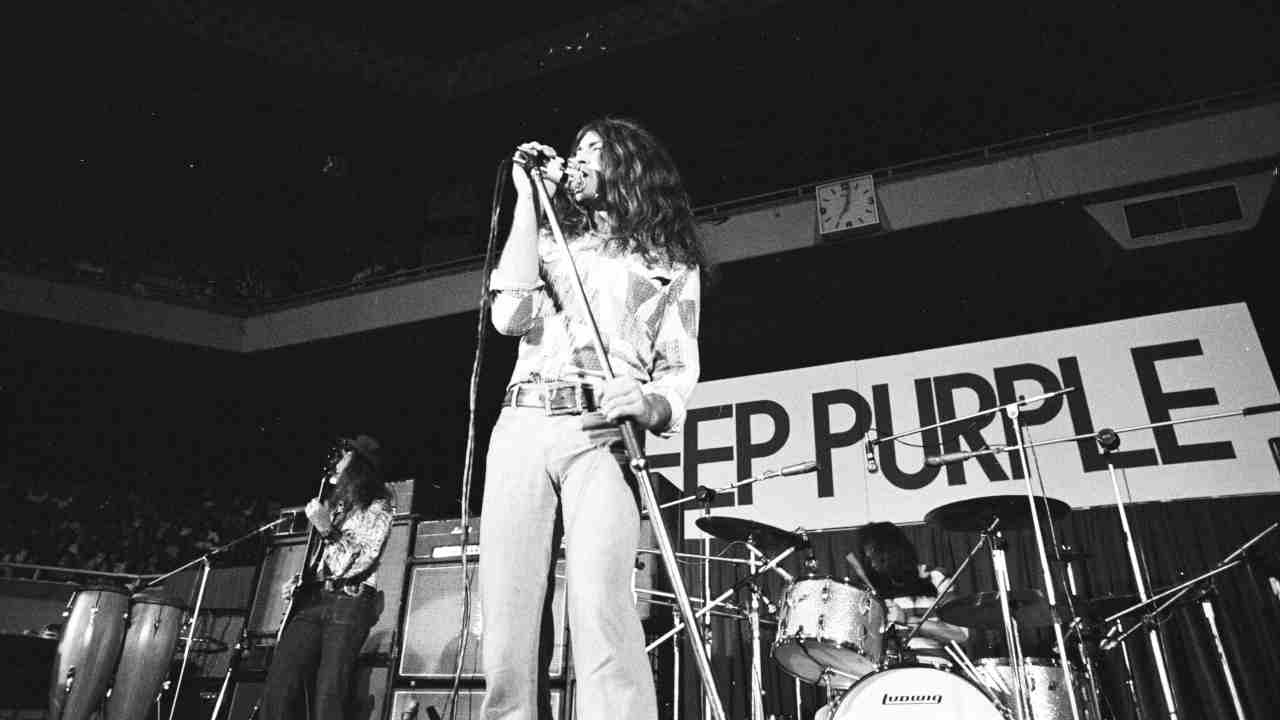
By the time Purple had reached Japan in August 1972, the heady blend of huge success, clashing egos and questionable management had created what Ian Gillan calls “a chaos effect”, triggering irreparable fractures within the band.
We had no idea what we even sounded like, only having listened to very poor quality bootlegs before.
Roger Glover
“We all met up at the right age and the chemistry was perfect,” says Gillan. “But the one thing you’re never prepared for is success. Suddenly so many other elements come into it, particularly those things affecting your personality and character, and consequently the character and blend of the group.”
From the moment Gillan and Glover had arrived in June 1969 – replacing original singer Rod Evans and bassist Nick Simper – Deep Purple’s career upswing had appeared unstoppable. The band’s fourth studio album, In Rock, positioned them alongside Led Zeppelin and Black Sabbath as one of the Holy Trinity of bands who were forging the new, steel-plated sound that would define the early 70s. But by the time of 1971’s Fireball album, tensions between the livewire Gillan and guitarist Ritchie Blackmore, who had co-founded the band four years earlier, were becoming apparent.
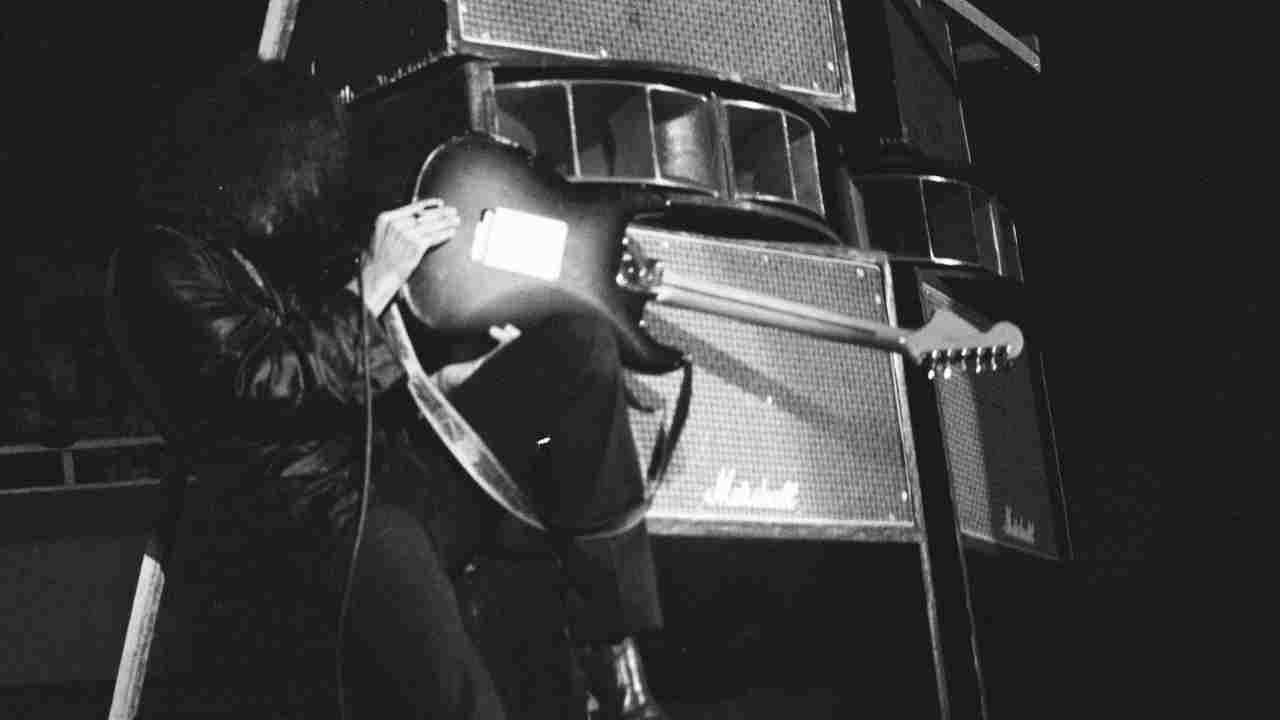
“With Fireball Ritchie had ideas in mind for melodies that Ian wouldn’t or didn’t sing,” says Glover. “Ritchie got very frustrated with that. He wanted to be more in control. But it’s supposed to be a democratic band, and it’s difficult to be in control unless you become a dictator.”
The growing clashes indicated that Deep Purple’s next album, Machine Head, was a car crash waiting to happen. But despite fraught sessions that saw the Montreux casino complex they were based in burnt down during a Frank Zappa show (an event that provided the inspiration for Smoke On The Water), it actually brought the band closer together.
“It was all of us against the world,” says Glover. “So there was a great feeling of camaraderie on that album.”
Released in March 1972, Machine Head gave Deep Purple their first US Top 10 album, and would stay in the US chart for two years. By the time the band flew out to Japan a few months later they were at their commercial and artistic zenith.
As it turns it turned out, the success of Machine Head amounted to little more than a sticking plaster over problems within the band. Their debut Japanese tour had been booked for August 1972. But before that they had been scheduled to start work on their next album at a sunny villa just outside Rome.
We told the management: ‘This is really fucking good. We want it out now, we want it out everywhere.
Roger Glover
“Here were are, sitting in the middle of summer in this steaming building in Italy with no air-conditioning, and Ritchie just didn’t bother turning up,” says Gillan. “We were just sitting there for two weeks. He then turns up, and we find he’s on the other side of town in a different hotel, and he will decide when he wants to come across and who shall be in the rehearsal room and blah blah blah. By this time the megalomania had gone through the roof.”
This tense atmosphere was still in place a few weeks later when the band boarded the plane to Japan. When they touched down, they quickly realised how different the country was – the closest they had to a bonding experience.
“It was very humbling,” Gillan says of that first visit. “I learnt so many things on that tour that it suddenly opened my eyes.”
But Purple weren’t there just to enjoy the perks of Japanese culture. There was work to do, in the shape of two gigs in Osaka on August 15 and 16 and one at Tokyo’s fabled Budokan hall on August 17. When their international label, Warner’s, had initially approached them about making a live album for Japan in order to capitalise on the increased interest in heavy rock music sparked by Led Zeppelin’s first visit there the year before, the band were sceptical.
“We said we’d only do it if we could control it,” drummer Ian Paice says. “And as long as it only came out in Japan. Then when we listened back to the tapes we thought, ‘Hang on, we’ve got something here…”
They really did. Each of the three shows kicked off with an electrifying version of Machine Head opening track Highway Star, before the band powered through Child In Time, Strange Kind Of Woman and Lazy. The Mule became a showcase for drummer Ian Paice, though it was a monumental extended version of Space Truckin’ which closed each set that proved to be a tour de force for the entire band.
Mixing the album with producer Martin Birch, they decided to keep it as clean and free of studio trickery as possible. According to Glover, there was just one overdub added on the entire album.
“It was at the end of the first big crescendo in Child In Time, where the music stops and there is absolute silence for a moment,” the bassist says. “We thought, ‘That doesn’t sound very live’, so we added a moment of audience noise. But the rest was all exactly as we played them at the shows.”
Listening back to the finished album, they realised it would be foolish to limit it just to the Japanese market. “We told the management: ‘This is really fucking good. We want it out now, we want it out everywhere!’” says Glover.
When Made In Japan was released in Britain, in December 1972, it was a revelation. There had been momentous live albums before: Get Yer Ya-Ya’s Out! by the Rolling Stones; Live At Leeds by The Who – but these were single LPs; glorified stop-gaps, highlights packages that weren’t viewed in the same light as the lofty studio albums. There had been double live albums too, including The Allman Brothers Band’s At Fillmore East, which captured the original jam band in all their live glory..
We had the confidence that being a big band gives you. There was always the feeling that we didn’t want to follow anyone.
Roger Glover
By contrast, Made In Japan was the first time a truly international heavy hitter had made such a bold musical statement. A faithful representation of their live show, what made it so extraordinary was that it actually improved on what were already seen as landmark tracks. Whether it was the crescendo-filled Child In Time, a version of Smoke On The Water that found Blackmore teasing the audience with that riff, or the 20-minute version of Space Truckin’ that filled the whole of side four – next to their original studio versions and it’s like going from black-and-white TV to colour.
What the public didn’t know was that virtually the same week Made In Japan was released in Britain, Ian Gillan had written his letter of resignation from the band. Tensions between Gillan and Blackmore were broken beyond repair – the snapping point came when the guitarist planted a plate of spaghetti in the singer’s face after a show in Cleveland.
Purple released just one more album before Gillan’s departure, 1973’s Who Do We Think We Are? – the record they’d attempted to start in Italy when Blackmore decided not to show up – but it paled in comparison to Made In Japan. As chance would have it, Gillan’s final show with Purple was back in Osaka, in June 1973, at the same venue where most of Made In Japan had been recorded 10 months before (it would also mark Roger Glover’s last Purple show, at least until he and Gillan rejoined the band more than a decade later).
Today, Made In Japan stands as the high water mark not just of Deep Purple’s Mk II line-up but of their whole career. More than that, revolutionised how bands viewed the live album – suddenly, the ‘double live’ became a key part in the arsenal of any band who wanted to be taken seriously, from Thin Lizzy and UFO to Iron Maiden.
“We had the confidence that being a big band gives you,” says Glover. “There was always the feeling that we didn’t want to follow anyone. If you follow someone, then you’re second-best. If you’re gonna be into this for the music, you have to just do it your way regardless. That’s what gives a band true fame, and that’s what we were after
Originally published in Classic Rock issue 176 (September 2012)