 Written by
Remember when dubstep was good? Paris-born producer and DJ Beatrice M. certainly does: Their music calls back to the genre’s mid-2000s South London days, when dub implied reggae, Skream was a youthful prodigy, and Sonny Moore was the singer in a hardcore band.
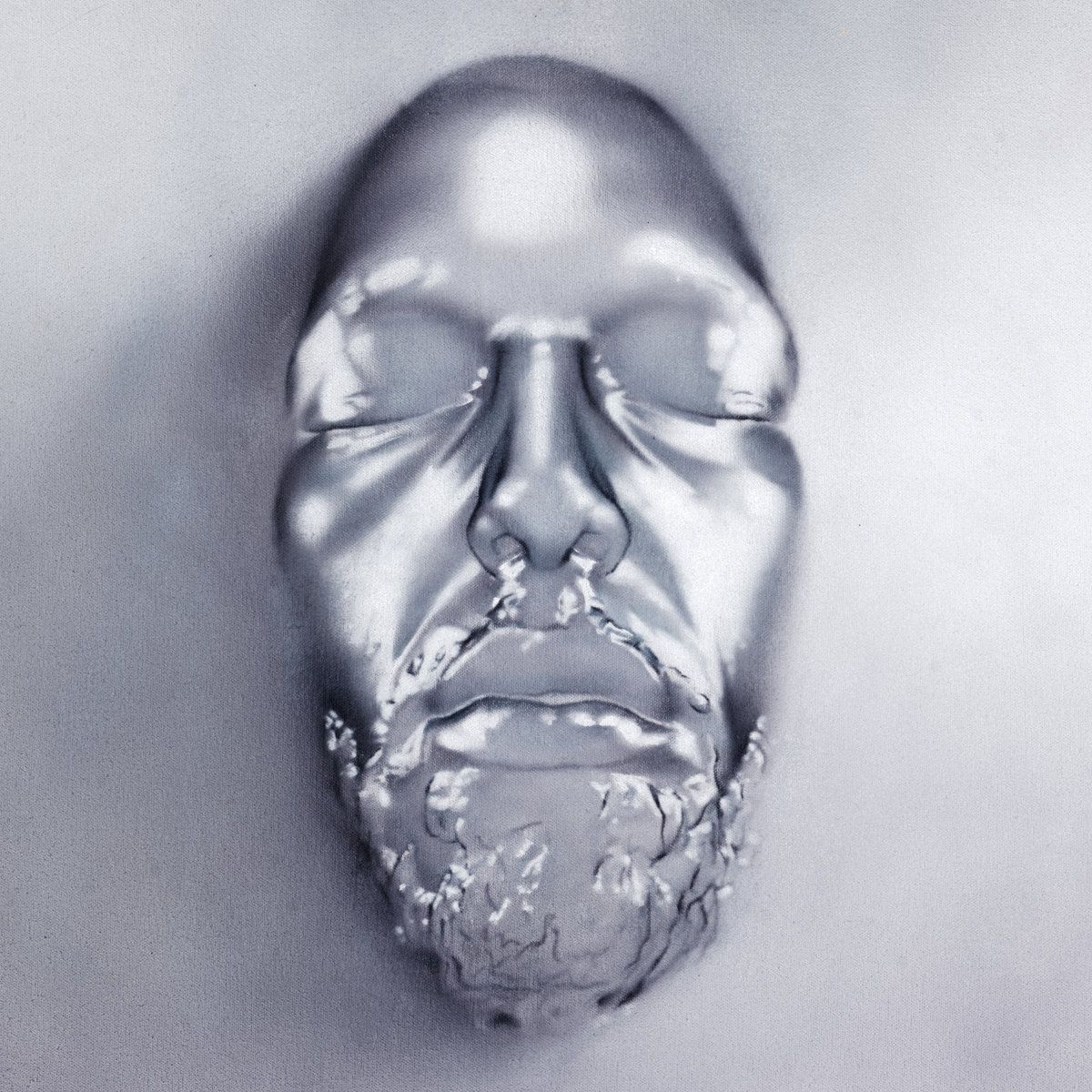
It was probably inevitable that this sound would come round again, with music’s proverbial 20-year fashion cycle once again raising its head. But Sinking, Beatrice M.’s debut album, released on the none-more-cerebral dubstep label Tectonic, has more to it than simple revival. On the one hand, the record is full of the recognizable traits of classic dubstep—the reggae-inspired half-step beat; basslines that are warm and corporeal rather than dumb and abrasive; and a dub-inspired, echo-infused sense of space that sounds like a party being thrown in vast subterranean caves. But Beatrice M. adds unexpected elements that shift their music away from the expected course.
No score yet, be the first to add.
“In Touch” is the most obvious example. After racing out of the traps with a four-to-the-floor bass drum, the song soon settles into late-night dubstep lollop, a Detroit techno-inspired synth melody floating over sparse drum hits. So far, so 2562. But it seems unlikely that anyone in the rather insular dubstep scene of the mid 2000s would have invited a French MC to glide melodically over the beat like MC Kaba does here, his thoughtful, smoked-out flow making the unlikely case for dubstep as music for candle-lit Parisian jazz clubs, before British MC Jinnal arrives to drive the track home. “Disco Corner” fuses the ultra-French sound of filter disco with the low-end rumble of dubstep to create something totally original and yet surprisingly unforced, like Motorbass meets Benga. And the album’s title track is resolutely unwilling to choose a corner between deep, dark house and dubstep, like a Croydon Larry Heard.
Beatrice M.’s other great left turn is affective. Dubstep was always capable of conveying a great sadness in its dusted grooves—think Digital Mystikz’ “Anti War Dub” or Pinch’s “Qawwali”—but in doing so generally tended toward the grandiose, painting emotion in huge brushstrokes of bass. Beatrice M. turns that melancholy in on itself, a personal tragedy rather than a state funeral. (Pinch, incidentally, is credited with “additional engineering” on Sinking.)
“Help,” the album’s standout track, uses quintessential dubstep sounds as the base for a collage of spoken-word samples about people stuck in a profound but very mundane loneliness. It’s totally dubstep yet totally different at the same time. “Years,” which closes the album, has a similarly intimate feel, using tiny snatches of the artist’s own vocals over a plaintive descending chord sequence to create what sounds like a private confession.
Passages like these have the curious effect of retrofitting Sinking’s less exceptional moments with their elegant modernity. Songs that might at first have seemed little more than retro dubstep efforts with a dash of 2026 guile give up hidden touches of sophistication, like the clean-as-a-whistle keyboard stabs on “Ocean” or the highly addictive telephone dial effect on “Motion,” and what at first felt tame becomes profound.
Beatrice’s love for dubstep runs deep—there’s even a song here called “Dear Dubstep,” in case any doubts lingered. But clearly they are the kind of person that is inspired to learn from, rather than just revisit, an old love. The genre feels rejuvenated on Sinking, an album with the power to wipe 1,000 brostep wobblers clean out of the consciousness. Dubstep, as re-inspired by Beatrice M., is deep and emotional; alive and skanking; and more than a little bit forlorn. Can we keep it this way?