 Written by
 Kurt Vile’s perfect album isn’t by Neil Young or Dylan or Dinosaur Jr. or Pavement or any other similarly scraggly artist on his familiar roll call of influences. For his recent Pitchfork Perfect 10, he picked the 2021 Czarface/MF DOOM collab Super What?—an unexpected choice that makes perfect sense if you look at Vile less as a classic-rock torchbearer and more as the world’s drowsiest rapper, one whose sing-spiel unfurls over zoned-out guitar instrumentals instead of looped beats. Like so much hip-hop, Vile’s songs are so self-referential, so steeped in his own peculiar POV and singular slang, that they seem almost impossible for another artist to cover. And like any proud MC, he never forgets to remind you where he’s from.
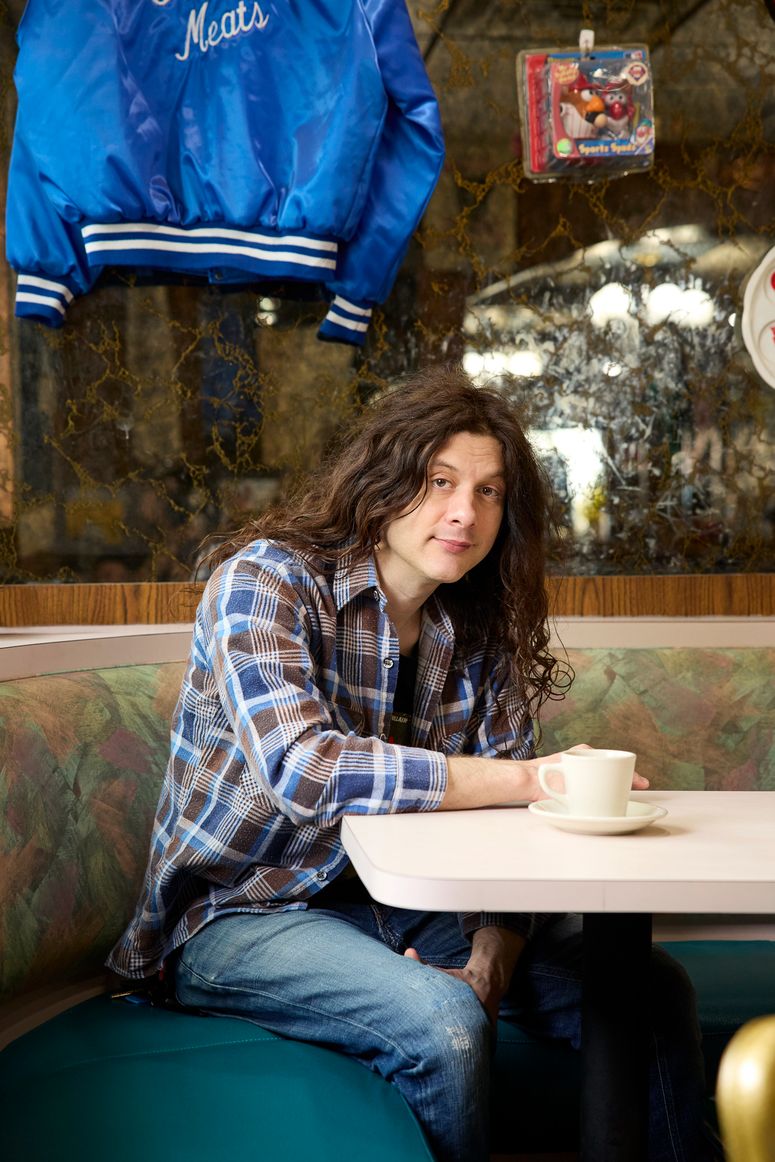
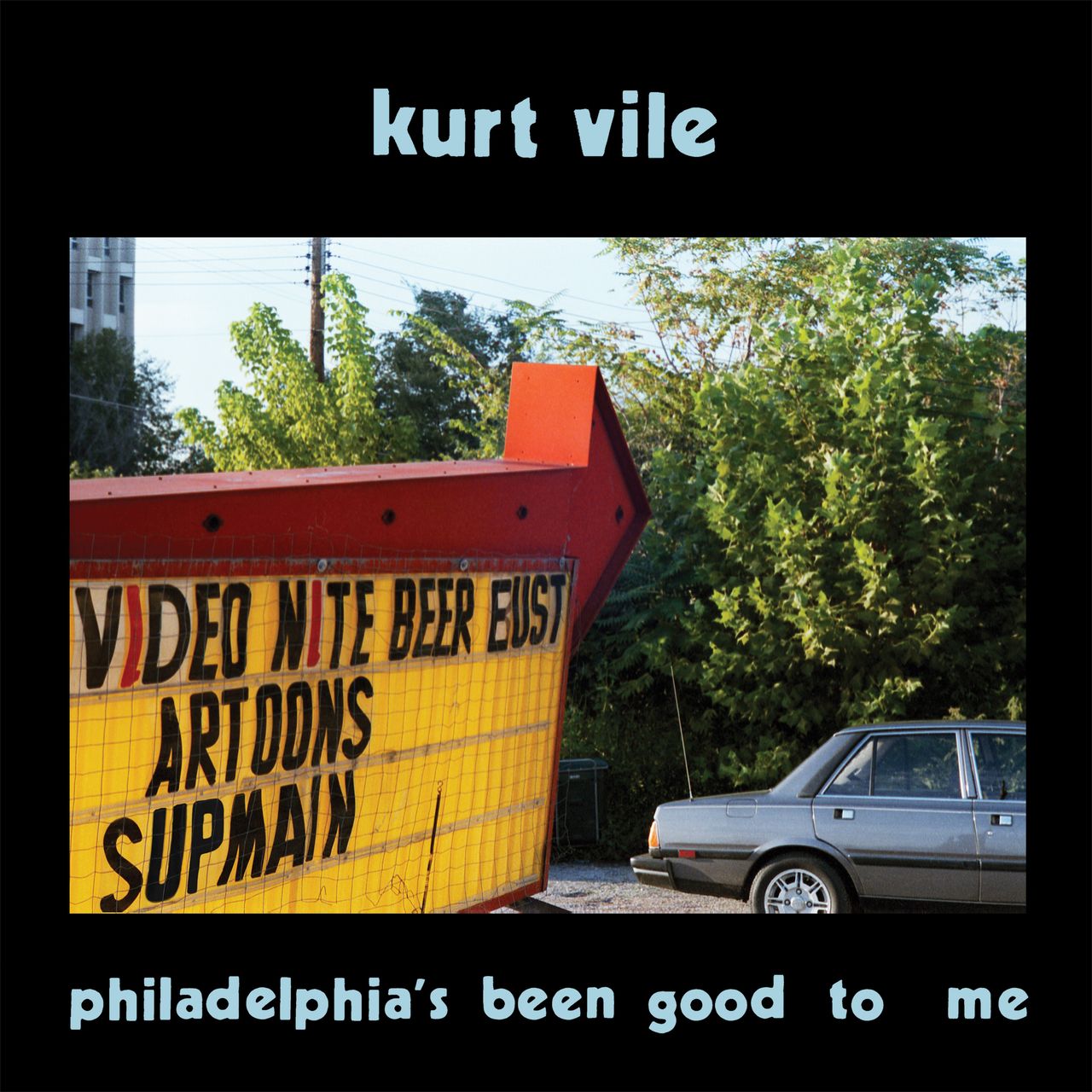
As we hear on his 10th album, Philadelphia’s been good to me, Vile’s hometown pride runs so deep, he’s not afraid to spark a beef with his favorite artists for encroaching on his turf. Over the glassy guitar shimmer and laid-back backbeat of “You don’t know cuz it’s my life,” he sings: “I’m from Philadelphia/A couple of my heroes wrote a song/But that ain’t where they’re from/So, hey—you don’t know.” This beef is of the tenderest variety: “I still love ya,” Vile assures them (before adding “Neil and the Boss,” just to make sure there’s zero confusion). For Vile, the jab is less a provocation than an affectionate noogie—after all, he doesn’t seem to be enough of an Elton John fan to give him shit for “Philadelphia Freedom.” But as the song saunters past the five-minute mark, the tone of “You don’t know cuz it’s my life” gradually drifts from playful to poignant, and Vile’s focus turns from the outsiders peering into his city to the locals who had to leave town. “Come back when you can,” he repeats, his voice double-tracked with an aching higher-pitched harmony that wrenches tears from the sentiment. Philly’s been good to him, but he recognizes that’s not the case for everyone.
No score yet, be the first to add.
Those sorts of unexpected shifts are what make Vile’s brand of self-absorption so uniquely absorbing after all these years, even as Philadelphia leans into his familiar formula of ’70s-Neil ditch-digging filtered through ’80s-Springsteen production and stretched across ’90s-CD sprawl. What seems so straightforward on the surface eventually reveals deeper meanings and truths. Lines that seem artlessly off-the-cuff on first pass accrue an unexpected weight and purpose the fourth time through; the countrified guitar lick that sounds so chipper at the start of a song is dripping with melancholy by the end.
At this point, Vile seems less like a confessional singer-songwriter than a cartographer of the mind, mapping the ways that our thoughts can wander from prosaic to profound and back again. Appearing in a foggy swirl of Twin Peaks synths, the almost-title track “Philly’s been good to me” starts out with Vile saluting his city, polluted river and all. But from his vantage, one of Philly’s most salient features is actually its close proximity to Baltimore, where he likes to kick off his tours and hang out with his pals in Beach House; by the third verse, he’s dreaming of L.A. In moments like these, it becomes clear that Philadelphia’s been good to me isn’t really about living in Philly per se; it’s about the constant tension between being a working musician and a family man, between laying down roots and playing in a traveling band—and how even the vagabond lifestyle of touring can start to feel like its own restrictive routine.
The lysergic folk-rock lullaby “Rock o’ Stone” is essentially Vile’s flipside response to “Heart of Gold,” countering Neil Young’s roaming romanticism with a head-down “we grindin’” mindset that has him counting down the days till he can get home and enjoy some doughnuts. Channeling the dirtbag Stonesy boogie of Vile favorites Royal Trux, lead single “Chance to Bleed” presents another bittersweet portrait of life on the road, albeit framed by a deceptively celebratory chorus hook. “You’ve got a chance to bleed now/With those old-time lo-fi DIY rock’n’roll nights,” Vile shouts, and for a minute there, it seems like the whole song is just going to be him repeating that refrain ad infinitum, like some cheery commercial jingle for dive bar gigs.
But eventually, Vile’s jabbering half-rapped verses start elbowing their way into the mix to take stock of the emotional and physical toll of performing, from throat-ravaging effects of screaming into a mic to the Wurlitzers “covered in blood.” While that may seem like a small price to pay for euphoric highs and community connection, “Chance to Bleed” also has him wondering how much proverbial blood he has left to spill: “Things these days don’t seem to be connecting,” he cautions in his creakiest register, a cry for help that’s all but drowned out by the song’s roadhouse-razing momentum. And when he’s not reflecting on his own mortality, Vile’s pouring one out for friends lost along the way: “99 BPM” is a eulogy for late bandmate Rob Laakso that consults the Tonight’s the Night manual for processing grief through off-kilter blues dirges.
For all its road-warrior ruminations, Philadelphia’s been good to me is ultimately animated by Vile’s gratitude for the people he does this all for—his wife and two daughters. His paeans to parenthood are embedded with periodic reminders that he’s actually not as stoned as his wake’n’baked music might suggest. “My baby girls, they keep me high, yeah,” he sings on the morning-dewy front-porch serenade “Zoom 97,” before clarifying: “Ain’t on no trips though, no LSD/True love is the pure drug for me.” And as we hear on the album’s 10-minute heartland synth-rock centerpiece, “99th song,” family is the guiding light that can untangle his knottiest neuroses.
Even amid the deep canon of Kurt Vile songs about writing Kurt Vile songs, “99th song” could be his most inside-baseball track to date. It begins in the midst of an existential meltdown over a favorite guitar looping pedal that’s reached its storage capacity, uncorking a whole other wave of anxieties about the unstable nature of human memory and the creeping sense that the clock is always ticking. Eventually, Vile is grounded by thoughts of the “love in my life and three girls by my side,” transforming a song rooted in guitar-gear nerd-speak into an open-hearted declaration of devotion to the things that really matter. It just goes to show that when you put on a Kurt Vile record, you pretty much know exactly what you’re getting, but you’re still never entirely sure of where you’re going.