 Written by
Share this article
Join the conversation
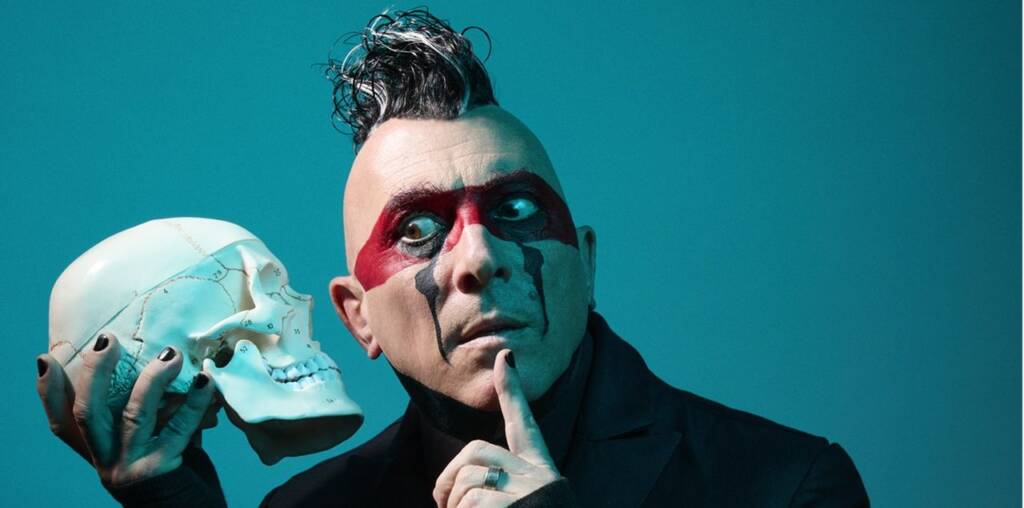
Maynard James Keenan is a provocateur. He’s never met a group he couldn’t antagonise or poke fun at, be it Christian leaders, politicians, scientologists or social media obsessives. Armed with a sharp wit, insightful observations and a sense of humour honed in LA comedy clubs, he flew in the face of the tortured artists who propped up rock and metal in the 90s and has only grown more acerbic with age.
“Growing up in Ohio was a polarising environment,” he explains. He stayed there with his mum after his parents divorced when he was three, before moving in with his dad in Michigan at age 13. “There was a very heavy, fundamentalist, anti-creative thinking point of view [in Ohio]. So many artists branched out and got out of there as soon as they could. I was on the tail end of that. It’s a rubber band effect: when you push it so far one way, it’ll bounce back the other. You have the extremism of fundamentalists, but then these crazy bastards like Devo, Chrissie Hynde and me that come out of it. It’s balance.”
From helping form Tool in 1990 to later establishing the more alt rock A Perfect Circle and Puscifer as completely different extensions of his artistic id, he’s maintained an air as one of metal’s most iconoclastic figures, literally shunning the spotlight to often perform in wigs, paint and costumes from the back of the stage.
Latest Videos From Louder
In spite of that, he’s managed to turn each of his bands into a formidable force in its own right. At 62 years old, he juggles his duties for all three bands with a vigour that puts younger artists to shame – this year alone he’s headlined festivals with Tool, toured the UK and Europe with A Perfect Circle and released a new Puscifer record – Normal Isn’t – which he’ll be touring in November. But at the heart of it all, he’s still a delightfully contrary bastard who’ll happily steer a conversation to his experiences as a vintner rather than focus on his musical achievements.
If you were being a dick, my dad would scorpion pinch you in the hallway. If you did that now, you’d go to jail.
Maynard James Keenan
There’s a lot of apocalyptic imagery in your lyrics – Ænema alone envisages the destruction of LA. How much did the threat of nuclear annihilation shape your worldview growing up?
“Fear motivates or manipulates, as it were, no matter what comes down the pipeline. With our limited information, nuclear war and quicksand seemed to be the top of the list when I was a kid. But we were also told everything was a sin, and you could become possessed and go to Hell. Which it turns out is just Cleveland.”
Were you ever actively religious?
“A lot of it didn’t seem to really add up. We’d go to a church and then my mom would go, ‘We need to go to a different church.’ You’d find out the pastor was buggering the deacon. The next one, the pastor was kicked out because he was embezzling. We left one because the pastor was a paedophile… It never made sense.”
You moved around a lot – Ohio, Michigan, Los Angeles… Does that help you round out your worldview, or make it harder to feel like somewhere is home?
“Even early on living at the same address, they kept rerouting school buses around us. I think it was because of the neighbourhood I lived in: ‘Too many off-white people!’ So I’d be rerouted to another elementary school, then it was ‘too many’ there too. It kept happening. You get used to reinventing yourself in a way, or reintroducing yourself. You become a chameleon, or dig your heels in and go, ‘This is who I am’ to a new set of bullies.”
You were eventually part of the wrestling team and now you’re a black belt in Brazilian jiu-jitsu. Was that a response to being bullied?
“I wasn’t part of the wrestling team until I went to my dad’s in Michigan. He was the wrestling coach, and one of the teachers, so there was a different kind of bullying. But back then, we had this thing called ‘consequences for your actions’. If you were being a dick, my dad would scorpion pinch you in the hallway. If you did that now, you’d go to jail. It was back when discipline was real.”
You were born James Herbert Keenan. ‘Maynard’ started out as a character you created in high school. How much of that character was carried over to your persona?
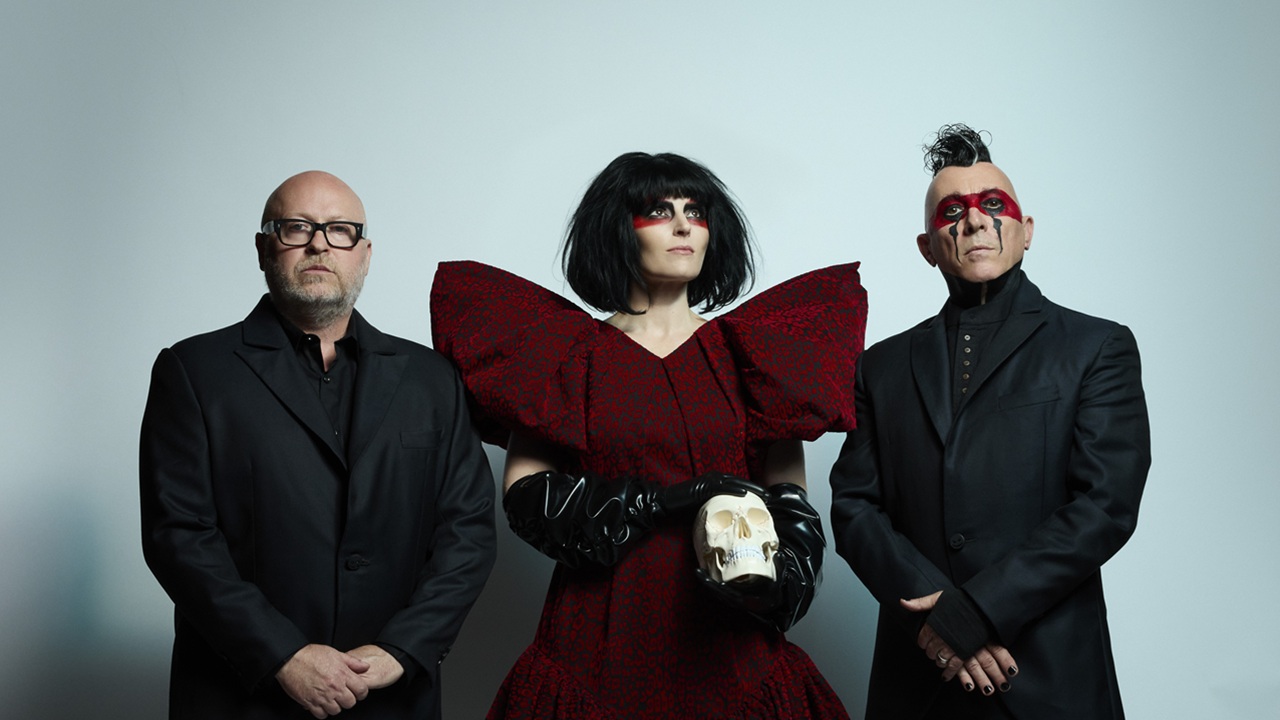
“Especially with Puscifer, there’s the ability to take on a personality for a particular character that is an expression of yourself in some way. That’s the crux of acting – you’re in there, but you’re bringing something to the table. A lot of rock musicians become this one aspect of themselves because they’re not super-comfortable in their own skin. I prefer to be able to pivot and tell other stories. If that takes a wig or some make-up, then so be it.”
What were your earliest bands like?
“For me, it was words before anything. I was writing poetry for as long as I can remember. Friends would have a bad day, so I’d write them a little poem, limerick, and give that to them at lunch in high school. Words came first, then the vocal element came with choir in high school.
That continued a little bit, then in the military I’d stay up late doing charge of duty, or fire watch as they sometimes call it, so I could have access to the typewriter and type things out to put in a notebook. Bands just became the vehicle I was telling those stories through.”
Is it true you were inspired to join the military by the 1981 Bill Murray movie, Stripes?
“That’s the soundbite, isn’t it? I told the story, you remember that. It’s not completely accurate, but no good story should be held up by the hefty detail of the truth. It’s not even remotely accurate – the actual truth is that in order to go to art school, I needed a student loan and I hadn’t got enough credits. So I went into the army to get the army college fund. Was Stripes a nudge? Sure. But it was more about making sure I could go to art school.”
Do you see any ideological contradictions about supporting both an institution of power like the army, while wanting to do something as liberating as art?
“I had no reservations about going into the military, because I had a pretty good idea of who I was and a pretty good upbringing to understand basic right from wrong. I had to sign a waiver going in, because I’d been part of a pacifist church back home. It was like, ‘What happens if a war breaks out?’ I said, ‘I’m here for the fund. Tick the box.’ Would I have? Probably not. But I learned a lot of discipline there.”
In Scandinavia, military service is mandatory. Could you ever see that working in the US?
“I’ve always wondered, but it’d never fly here. It would be great if you could wave a magic wand and after high school there was a mandatory service, though not necessarily military. Two months of working in a kitchen, in agriculture or something. Two months in a warehouse, learning how to operate machinery. That kind of thing will teach you about situational awareness and not getting in your own way.
Then maybe you could do two years in the National Guard, fire service, forest service. If you can complete that without being a dick, you’d get to vote. That’s how you’d become a citizen: put the time in to understand where food comes from, how dishes get clean… understand the distribution system.”
In the early 90s you moved to LA and started performing at a comedy night called Tantrum. What was your most memorable performance?
“I just kind of stumbled into Tantrum. They let me do some sketch comedy stuff. I didn’t really do stand-up. I’d watch my friends work and figure out if I could steal the process in that way. A lot of amazing comedians came through those kind of clubs back then – a lot of them are national names now, but they were working it out back then. Bob Odenkirk, Brian Posehn, Janeane Garofalo…”
And that stuff comes full circle with Puscifer appearing on the HBO sketch comedy series Mr. Show, right?
“Puscifer was kind of already in existence when they aired the Ronnie Dobbs episode [the inaugural episode, aired in November 1995, featured a skit with a trailer trash troublemaker named Ronnie Dobbs. Partway through, Maynard and Adam performed as Puscifer]. [Puscifer characters] Billy D and Hildy would be doing Cuntry Boner in various clubs.
The bands in LA would wear funny hats, a sock on their cocks… whatever the flavour of the week was.
Maynard James Keenan
In Tantrum, the running sketch was that the club was being run by a child actress who went into rehab and now she’s back on the scene with her variety show. Her name was Tawny Port, she would read poetry, and every week her boyfriend Vince was supposed to close the show with his band. The running joke was that he’d never show up, he’d come up with an excuse. So instead, every other week Tenacious D would close the show.
“Eventually, Vince did show up. It was me – every time we’d get onstage it’d be a different name and idea because ‘Vince’ couldn’t keep it together and was always reacting to some other trend. One of them was called Umlaut, LA’s only improv hardcore band, where he’d ask for a person’s occupation and then do literally a 15-second song repeating that over and over. Another was basically a Dead Or Alive rip-off, where we did Wind Me Up rather than You Spin Me Round. It was awful, but funny. Puscifer was one of Vince’s ‘bands’ but eventually became this all-encompassing thing.”
What was it like being part of the early 90s LA art rock scene?
“Going into LA, what was really inspiring to me was that there were all these people who were just trying to score a deal. They’d wear funny hats, a sock on their cocks… whatever the flavour of the week was. I moved there from Boston, where I’d seen the Ramones easily four times or so, bands like The Mighty Mighty Bosstones… All this fun stuff happening. Getting out to LA, it felt like that fell apart because all the bands seemed to be up there for the wrong reasons.
Then I saw L7 and it was like, ‘Holy shit!’ L7 were ferocious, serious and comedic. At the comedy clubs, I’d hear Tenacious D and that was inspiring to me. These bands were delivering a whole story, musically and with their personalities. It was a whole package.”
You became friends with Tom Morello around that time. How close did you come to joining Rage Against The Machine?
“Zero. I was trying to tell stories. I’m Irish, so I’m already pissed off and that’s always going to be part of it, but I was looking to do more expressive, emotional stuff with comedic stuff blended in with the tragedy. Tom was leaning more into the political side of things.”
Anecdotally, you were also reluctant to join the early Tool…
“I got challenged to be in a band, actually. It wasn’t to do with Adam [Jones, guitarist] or Danny [Carey, drummer]. Somebody challenged me when I was being critical about the things I was seeing in LA. It was like, ‘If you think you can do better…’ I knew I could. It was an accident, but I took the call and I’m going to be here a while.”
The comedian Bill Hicks introduced Tool onstage in California, in 1993. How did you meet?
“I wrote him a letter. I’d heard some of his tapes, so I managed to connect with him.”
What was he actually like as a person, offstage?
“It was a lesson for me. I went into it praising his work, basically as a fan. But I’d put a wall up because I was giving him this power, basically feeding what was, in his words, a fevered ego. The way we talked initially was not as friends – it was fan talking to icon. Eventually that broke down and we had friendly conversations, but it started off in the wrong way.”
Speaking of fan and band relationships, what’s the worst the parasocial relationship got for you? When Tool blew up, did you have any stalkers?
“Not stalkers, but we had a lot of lawyers and agents, bookers… People trying to get into us. All these vampires that wanted to financially benefit from a safe relationship with successful artists. Those vampires drove me out of LA, not the fans. There’s nothing wrong with the fans – there’s some obsessed ones who can get a bit mathy and weird, but that’s the nature of the fan. Fanatics. My exit from LA was because of this parade of vampires.”
As someone who writes through the lens of characters, does it become difficult to separate who is actually speaking – you or the character?
“Every song on every album is being sung from a character’s point of view, whether you agree with it or not. Going from a song like Opiate [an early Tool song about religious control] to Judith [by A Perfect Circle, about anger in the face of his mother’s unwavering faith in God despite a life-changing disability], is in some way fixing that story – does it come from the angry Irishman? Is it coming from the nurturing Italian who wants to feed you? [Maynard has Italian heritage on his mother’s side.] Who is the character?”
What is your proudest artistic achievement?
“On the base level, I was able to take three bands who are currently alive and working and have all three of them do well. I actually sold out Red Rocks [Amphitheatre in Colorado] with Puscifer – the tiny little band from Tantrum who used to play to 20 people now plays in front of 9,000 people. Those are the little, fun tidbits. Being able to have three bands touring at the same time and keep that alive, keeping aware of where I am at the time, that’s testament to multiple personalities, I suppose. Having a good relationship with your demon possessions so they don’t leave a mark as they come and go.”
You played final Ozzy/Sabbath show Back To The Beginning last year. Has there been any thought of retirement for you, or do you go with the Keith Richards ‘Retire from what?’-type thinking?
“I’m with the Stones on that one. On tour with A Perfect Circle this last summer, we’d do our walk, find a coffee shop and do two miles there, two miles back or whatever. I woke up one morning and my hip decided not to work. I could not walk, like, ‘What the fuck?’ Ice wasn’t working, heat, nothing. I had to basically limp through the rest of the tour, then get on the phone to my doctors back here, because by Christmas I’ll have been in 18 different countries with three different bands, having played 28 shows.
“If I can’t get this hip sorted, I don’t know what will happen. Luckily I talked to the right people and it’s a hip replacement, so I get that done and it should be healed in time to do those shows by Christmas. That’s my world – not doing those shows is not an option. Retirement is not a fucking option. Work the problem, figure out what you’ve gotta do and get back to work.”
Normal Isn’t is out now via Puscifer Entertainment/Alchemy Recordings/BMG. A Perfect Circle’s latest single To Whom It May Concern is out now.