
 Written by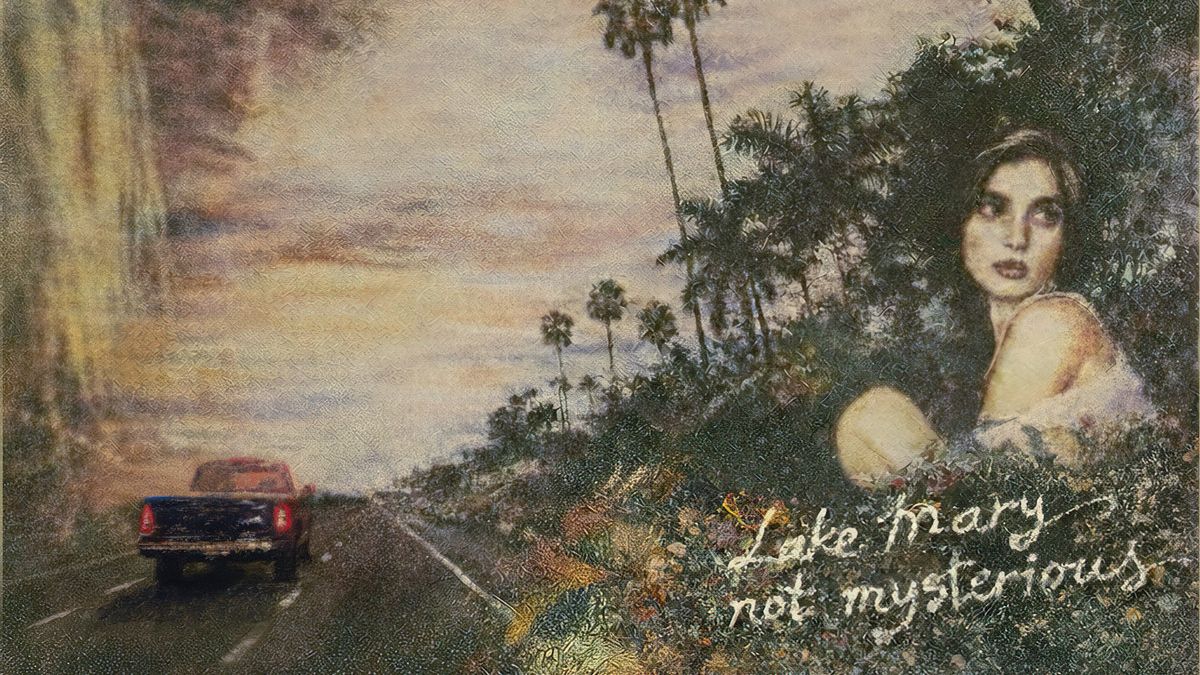
On his first album in 11 years, Daughn Gibson retreats into the swamps; it’s a good place for him, his voice bubbling up from underwater and leaching downriver. Lake Mary not mysterious sets its mind towards the Sunshine State, joining a tradition of Florida noir that encompasses Arthur Penn’s Night Moves, Kelly Reichardt’s River of Grass, mid-period Harmony Korine, Carl Hiaasen’s adult novels, and Gibson’s personal favorite—Volker Schlöndorff’s Palmetto, sharing its name with both the city and the bug.
It’s a bit shocking to realize how long it’s been since we left off with Gibson, né Josh Martin, former stoner-metal drummer whose striking 2012 debut All Hell sounded like CFCF holed up in a hotel on a diet of Jack Daniels and Eddie Rabbitt tapes. A deal with Sub Pop followed, more than half a decade before radio country became an acceptable influence in indie rock, but Gibson remained a cult curio. In a recent interview with Pitchfork contributor Meaghan Garvey, he expressed confusion that his music was grouped with country at all.
No score yet, be the first to add.
That seems strange given his voice: a basso profondo so exaggerated it seems hyperreal. Lake Mary proves subversion is his strength, that he’s less interesting when he leans into conventional Americana trappings (as in the weaker moments of 2013’s Me Moan) than when he sounds like an outlaw but sings over the damndest sounds. “Dead in the Ballroom” might sound like Black Rebel Motorcycle Club if not for the faint whiff of spray-can white noise, as if trying to imagine what the Neptunes would’ve made if they’d set their sights on Nashville. Sultry brass and piano spill all over the record, giving the whole affair a weary, second-side-of-Tattoo You vibe. It has a live-band feel—none of the gritty sampledelia of All Hell—but a tinge of “Boys of Summer” baroque lurks at its edges, a sense of guitars evaporating in highway smoke.
Maybe what this music has most in common with country is how much of it takes place in bars. On “Saint Paul,” an asshole at a bar steals Gibson’s phone and uses it to send obscene pictures to the singer’s loved ones; the idea that someone would do such a thing is a deeper indictment of the rot of the human soul than any amount of Southern Gothic soul-searching about sin and redemption could convey. “Last Night at Sugar’s Bar” opens with him getting knocked out by a drunk with a bottle, but someone’s nice enough to drag him under the streetlight, and when he wakes up he sees a church—one nice enough to get married in. In the time since his last album, Carnation, he wedded Kristin Kontrol, the one-time Dee Dee of Dum Dum Girls. Their feral duet “Cocoa Beach” could only be made by two people comfortable in bed with each other; they sound like they’re swapping spit in real time.
Even if there’s “crystal on the chair” and a host of other red flags, the skeevy romance of that second track hangs over the rest of the album like a spritz of perfume; it’s a character study, but it’s hard not to take it at face value as a love song between husband and wife. Lake Mary may ensconce itself in the trappings of noir, with anecdotes about pillow-smothering and notes shoved up dead dogs’ assholes, but at the end of the day, it’s kind of a feel-good album—not least because it’s good to know the hunky, happily married Gibson is back and making music as potent and tannin-dyed as this.