 Written by
Share this article
Join the conversation
By the end of the 1980s, Eagles guitarist Joe Walsh was running on empty. Years of stadium tours, heavy drinking, and rock’n’roll excess had pushed him to the brink.
“I was pretty pitiful,” he told Classic Rock in 2012. “I had lost myself. I always thought: ‘Well, if I need to, I can stop.’ And then I realised that wasn’t the case, and I did not know what to do.”
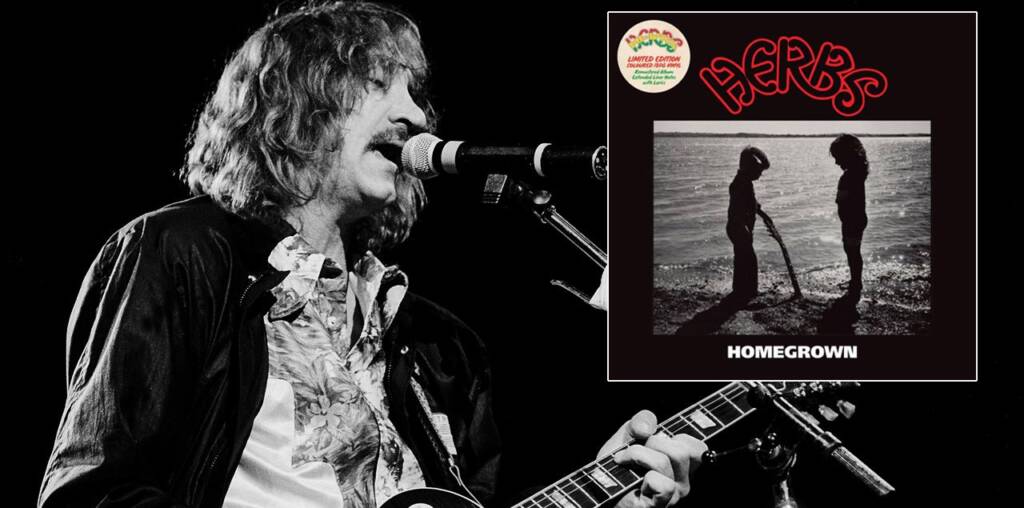
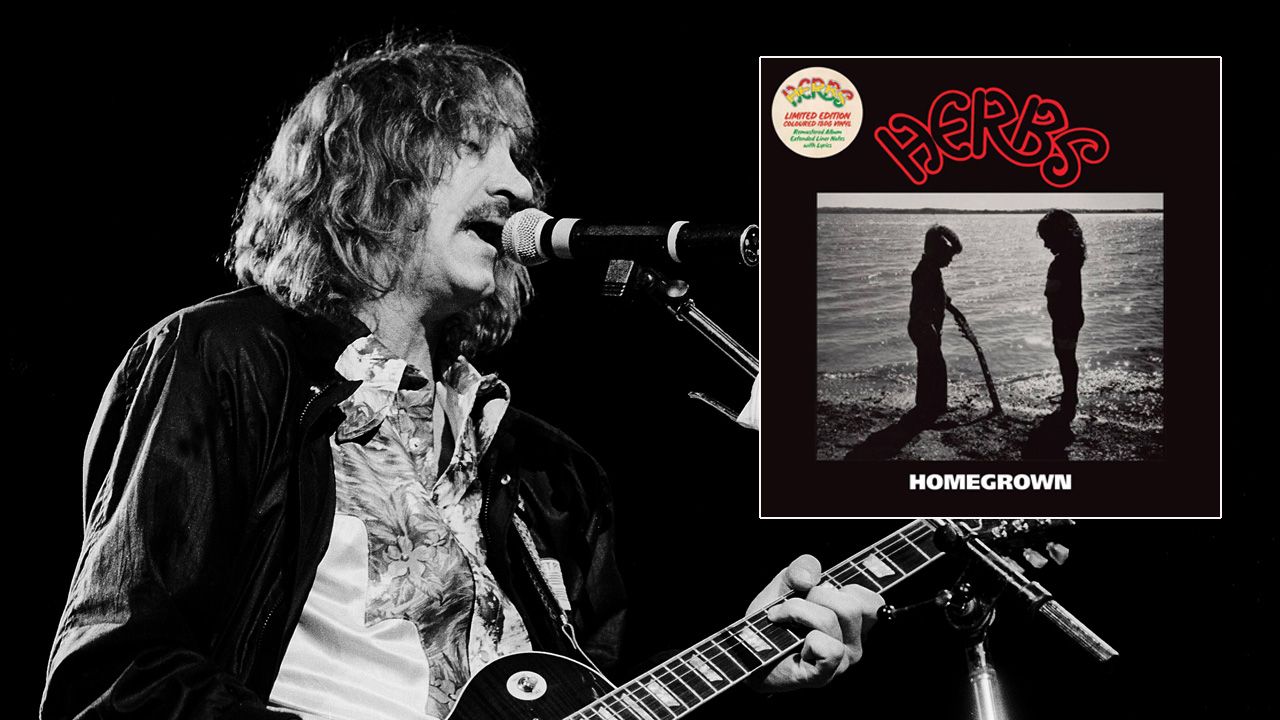
Walsh needed an exit, and he found it over 6000 miles away in New Zealand with Herbs, an Auckland-based band who’d released the country’s first reggae album, the politically charged What’s Be Happen?, in 1980.
Latest Videos From Louder
The Eagles man first encountered Herbs while on tour with The Party Boys, a long-running Australian supergroup whose membership over time included Eric Burdon and Angels guitarist John Brewster, and was soon approached to produce what would become Herbs’ fifth studio album, Homegrown.
Herbs were already stars at home. Formed in Auckland in the mid-1970s, they changed their name from Backyard to Herbs after witnessing Bob Marley’s culture-shifting show at Western Springs in Auckland in 1979, with band members Dilworth Karaka and Toni Fonoti among the 22,000 crowd.
“When Bob came out, and he was talking about equality, it really took my interest,” Fonoti told Radio New Zealand. “Bob is a messenger, that’s what I got from him… he was on a mission to deliver his message.”
Walsh liked what he saw. He shared the stage with Herbs at Greenpeace shows in Wellington and Auckland, and joined them on the Network Two TV show Signs Of The Times. Soon, he announced he was moving to New Zealand to become a permanent member of the band, and to work on the album.
Homegrown saw the band adopt a harder, less-reggaefied sound, and included three tracks – Ordinary Average Guys, Up All Night and It’s Alright – co-written with Walsh, the latter two featuring his vocals. All three songs would subsequently appear on Walsh solo albums.
“It was time for us to become rockier,” Karaka told Sydney’s On The Street in 1990. “He [Walsh] says that to commercialise your music isn’t to prostitute it. You have to be a success to be able to do what you want. The commercial side is there anyway. The only way to get people to hear your music is to put it out – then you’re in that world. There’s still reggae there, but not in comparison to the past. It’s still Kiwi music.”
As if to emphasise how far Walsh had taken Herbs from their Pacific reggae roots, Homegrown also included covers of Walk Away Renée, originally a 1966 smash for New York baroque pop band the Left Banke, and The Way I Am, a hit for country star Merle Haggard.
“It’s a good thing to stretch out,” said Herbs bassist Charlie Tumahai. “You can always come back.”
By the time Homegrown was released in September 1990, Walsh had abandoned ship and headed home, but the truly meaningful part of his experience in New Zealand wasn’t musical. During a tour break in 1989, Herbs invited Walsh to visit Ōtātara Pā, an ancient and sacred Māori fortification perched high above the Tutaekuri River in Napier, where he was given a tour by activist and community organiser Denis O’Reilly and presented with a bone hook made by local carver Hugh Tareha.
“Handing Joe the carved hook, I told the story of Te Matau a Māui, and the landform in front of us,” O’Reilly later wrote. (According to Māori mythology, the demigod Māui used a magic fishhook smeared with his own blood to pull up the North Island of New Zealand from the floor of the ocean). “We just sat for a while. Joe Walsh experienced an epiphany, a spiritual awakening. That hook became Joe’s talisman.”
Years later, on one of several return trips to Ōtātara Pā, Walsh reflected on the moment when the overwhelming noise of his lifestyle suddenly gave way to profound quiet.
“It was here on a visit many years ago, up on the hills, that I had a moment of clarity,” he said. “I don’t understand it, but I reconnected with my soul, and I remembered who I used to be. I admitted I had problems and I had to do something about it. It was the beginning of my recovery from my addiction to alcohol and drugs.”
The experience was a turning point. The spiritual connection Walsh forged with the land and the whānau (friends and family) of Herbs gave him the strength to finally face his problems. Shortly after returning to the United States, he checked into rehab and began the sobriety that would save his life and set the stage for the Eagles’ triumphant 1994 reunion.
“New Zealand is very special to me, and the Herbs were a great band,” he told The Dominion Post in 2012. “I remember them, I love them. I’ll never forget the moment when I was standing on the marae [sacred Māori meeting ground] with the members of Herbs and I realised that I needed to get clean. That will stay with me forever.”