
 Written by
 Swedish producer Jens Bogren has an impressive catalogue, having worked on albums with Opeth, James LaBrie, Sepultura, Devin Townsend, Ihsahn, Katatonia, Babymetal and many others. He’s established a reputation for being a challenging character – but that didn’t stop Amorphis from rehiring him for their 2018 album Queen Of Time, as they told Prog that year.
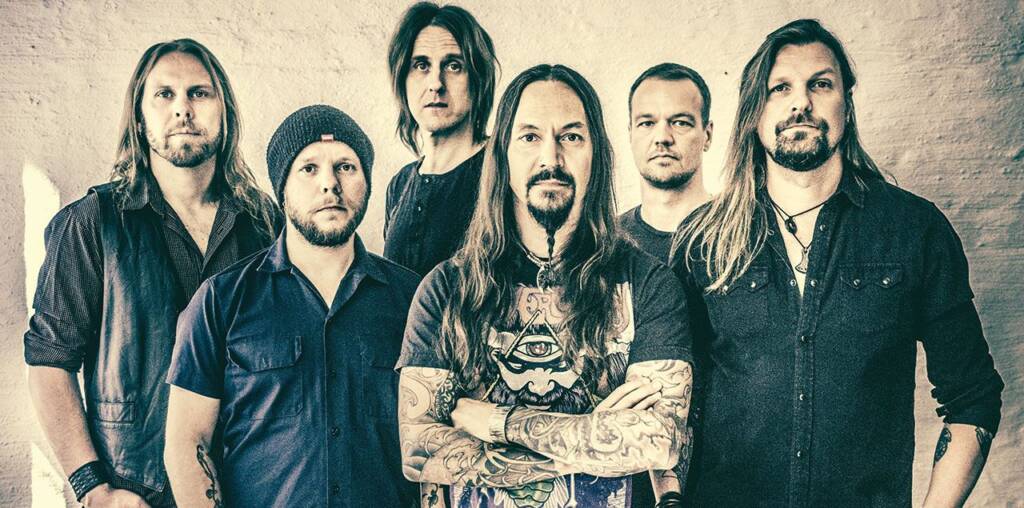
In 2015 Finnish prog metallers Amorphis released their 12th album, Under The Red Cloud. It was their first time working with Jens Bogren, a notoriously picky producer – and guitarist Esa Hopleinen admits: “It’s a masochistic way of recording.”
But for 13th album Queen Of Time, the band were keen to reunite with Bogren; and Holopainen says his impact this time around was even greater than before. “We learnt how to scratch the surface with Under A Red Cloud,” he says. “This time we knew each other’s working methods a lot better so we knew what to expect.
“Jens also had a lot more ideas regarding his vision for this album, and I think that’s obvious when you listen to it. You can hear how much bigger it sounds with Jens producing.”
There are hints about negative experiences during recording sessions, but the guitarist dismisses them by saying: “Working in the studio isn’t always fun. But you have to be professional and focus on doing your best.
“Jens is extremely picky with everything when it comes to recording,” the guitarist continues. “There were days where we’d end up recording nothing because something wasn’t perfect. His way of producing is not for every band, but for us it worked really well.”
As vocalist Tomi Joutsen explains, many of the subtleties in Bogren’s production approach have helped galvanise the songs in ways that are still eye-opening for the band. “Sometimes it’s very hard to find the right flow for a song, especially when we have a lot of different rhythmic structures,” says Joutsen.
“But Jens is really detailed – he wanted to change the tempo inside songs. When he came to Finland for pre-production, the biggest thing was finding the right flow for each track. It’s a small detail but we can really feel the difference. It’s not something a lot of people think much about.”
Sweeping string sections and the dramatic, virtuous vibes that the choral embellishments drive into each song give them a classier, epic edge. What’s important, however, is that the orchestra – while adding power and grace – isn’t the centrepiece.
“The guitars are still a really important part of the band; you can still hear them high in the mix,” says Holopainen. “Sometimes when you hear a band are working with an orchestra, you fear everything will be hidden underneath it, but for us it’s more for a musical flavour. It’s not the main thing on the album.”
And for the guitarist, the band’s progressive ambitions shine through the album’s atypical ebb and flow. “It’s a nice thing when you start to rehearse a new song and you realise it isn’t very obvious how to play it,” he says.
“The song structures are unpredictable and you challenge yourself to listen to what’s really going on. We want to keep the interest up in the songs, so there’s always drama within our music.”