
 Written by
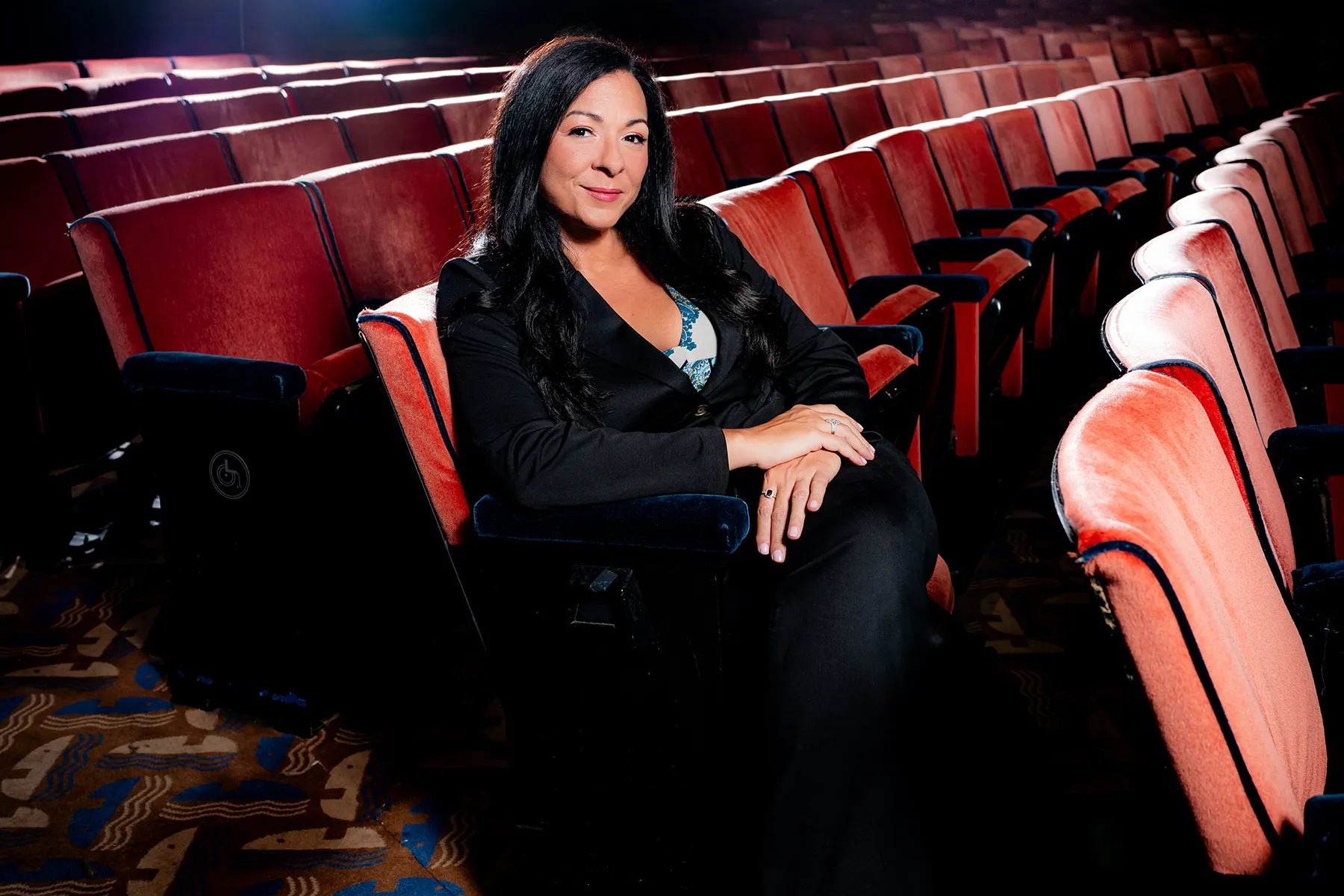
What does it take to run some of America’s most iconic venues? Josephine Vaccarello, president of MSG Entertainment, knows a thing or two about it. Over the last 20 years, Vaccarello has grown up at the company — owner of Madison Square Garden, Radio City Music Hall, Sphere, Beacon Theater and more — rising from being an administrative assistant to CEO James Dolan‘s right-hand executive.
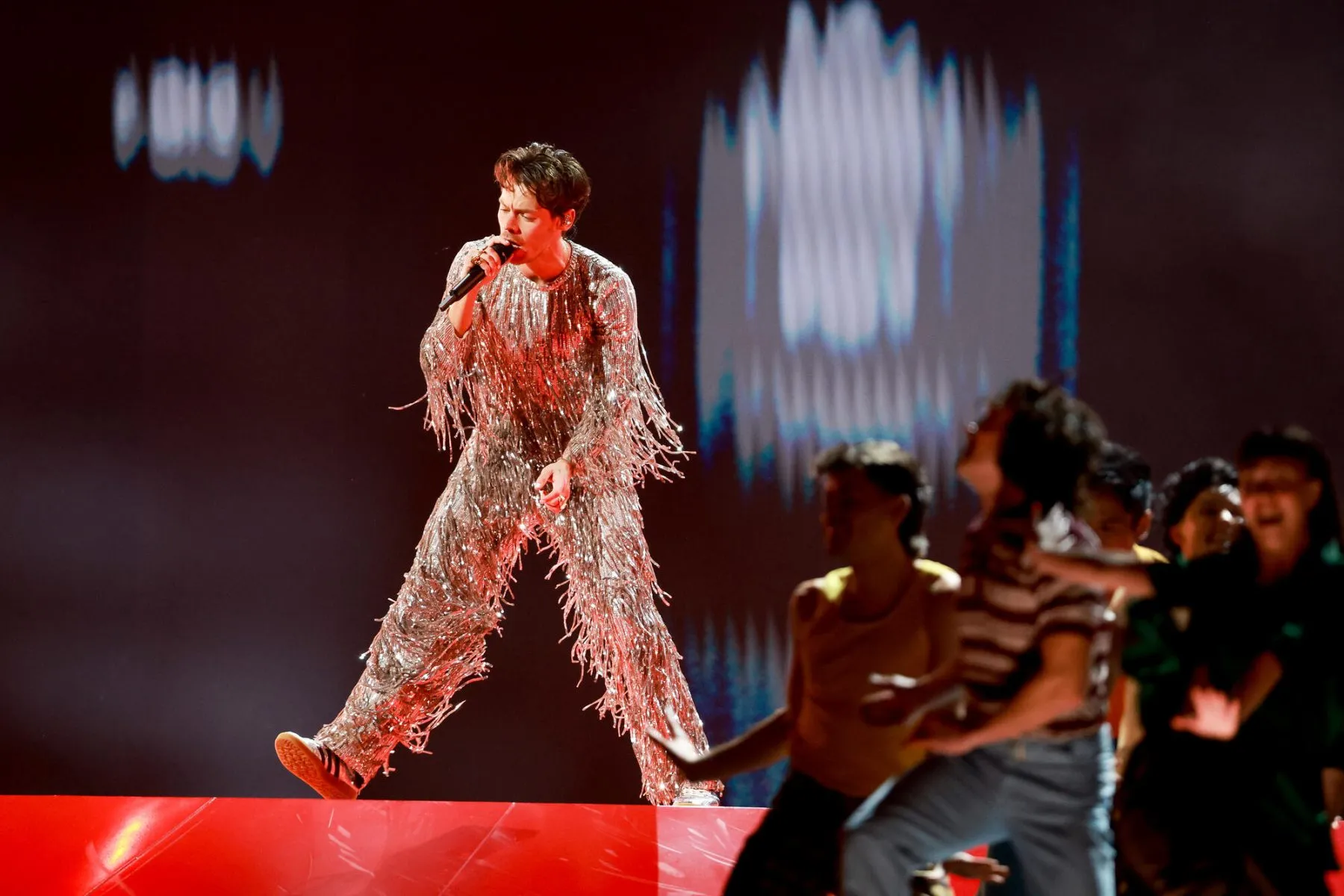
According to Vaccarello, the summer of 2026 has been the busiest the Garden has ever seen, playing host to everyone from Olivia Dean, Bon Jovi and Bush. At the end of the season, the Garden also made headlines with Harry Styles, who locked out 30 dates at the venue for a legendary residency.
Related
The residency model is one Vaccarello believes will only continue to grow. Not only does it benefit the artist, who gets to stay put in one location instead of living out their days in a bus or plane, but it also benefits the production value of the show and garners buzz for everyone involved. While not every fan is excited by the growth of the residency model, ushered in by the likes of Beyoncé, Styles, Billy Joel, Bad Bunny and more, it’s clear that, despite the high cost and difficulty of doing so, plenty of fans are willing to travel to see their favorite star.
This year, Vaccarello was selected as Billboard’s touring executive of the year and to celebrate that honor, she joined a special live edition of music business podcast On the Record w/ Kristin Robinson at Billboard’s Live Music Summit on Nov. 10 in Los Angeles.
To watch this episode of the podcast, check out the YouTube video below or click here for more viewing and listening options. An edited and condensed excerpt of the conversation can also be found below.
Sphere, owned by MSG Entertainment, has obviously been part of that larger trend toward more immersive and experiential live experiences. ABBA Voyage is another great example. From your vantage point, why do you think people are searching for these experiential moments in live music now?
I don’t know the answer to the now of it, but I do feel like people want to be a participant rather than a spectator. I do think that’s what is happening now, and that’s what everyone is looking to change. We want to make sure that we’re creating special moments throughout the entire journey for the customer, even from the initial outreach or announcement of a show up until them coming to the venue and what that experience is like and little Easter eggs of things throughout the entire experience for them to make it special for them.
Related
How would you say fans are different now, post-pandemic, versus how they were acting before the pandemic?
People want to get together. Post-pandemic, they crave it so much more. It’s that being in that same room with people all the time, experiencing it together.
On a previous episode of this podcast, I spoke with John Summit. He somewhat recently played Madison Square Garden and said he lost a million dollars pouring into the production value of the show. He believes it was worth it to make that statement for his fans, but it is clear that there’s essentially an arms race in live music production these days, where everyone tries to one-up each other. When do you think that arms race really started?
I think that artists want to bring something unique to their fans every single time. From a timing perspective, though, it’s definitely become much more apparent in, I would say, the past five to 10 years. But I do think that it’s always happened throughout time. As technology continues, then what they’re bringing out continues — I mean, we’ve had a roller coaster inside of the garden [with Travis Scott.]
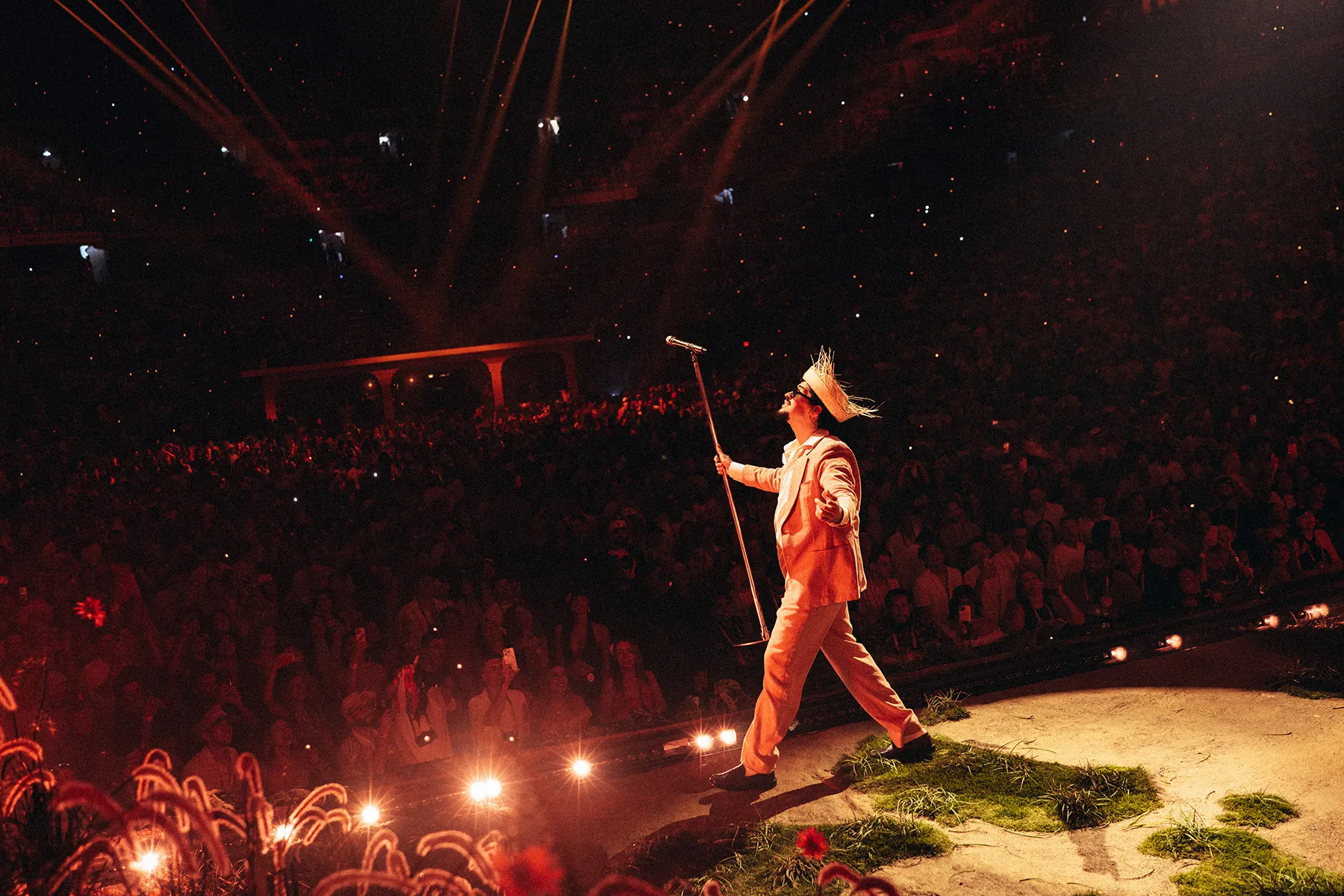
You recently had Harry Styles take over Madison Square Garden for 30 nights. Residencies seem to be a bigger part of what MSG does these days. What does it take for an artist to not just be worthy of a few back-to-back nights at MSG, but really worthy of a residency like Styles or Billy Joel?
It’s fan base for sure. You do look in historicals, but it’s really more than that. It’s finding an act [whose fans are also] going to travel to them. I honestly believe that this is becoming much more prevalent and that there will be a lot more artists sitting down and they get to do things creatively when they sit down in the same place for a long time that they can’t necessarily do touring. I also think that it brings community because when they’re sitting down, it is the show, but it’s also having all of those people in the same city for days on end or weeks on end, on months on end. So we’re continuing to grow that for them. How do we do things outside and in and around the venue as well? How do we make it part of the city and not necessarily just part of the venue?
Related
How would you do that outside of the venue?
We had photo experiences outside the venue. But really, everyone kind of just glommed on. There were bars and restaurants that had Harry-themed everything. Even hotels did, because people were flying in. There were places to go and things to do for [fans] outside of the show itself.
I totally see the appeal of doing a residency for an artist. They get to stay put somewhere for a while and have fans come to them, but from a venue perspective, what’s the appeal for you guys in hosting artist residencies?
For me, the feeling that Harry felt like MSG was his home for the 30 nights that he was there [was wonderful]. That’s amazing to do. I also think that bringing something unique and different to all of our venues is what we strive for always. That is why we try and create these residencies and these models so that we become the place for these artists to come to.
How far out are you booking at this point?
At the Garden, we booked more than a year out for the most part. But even at Sphere, we’re booking into 2029 already. It’s based upon availability at the end of the day, but we are very lucky in the fact that for all of our venues, they are iconic and they are an apex at that level and artists will come to us to make sure that they can play the venue and then route the rest of the tour around it.
Related
There are so many other types of live entertainment through your venues that take place. Comedy shows, podcast tours, political rallies — there are all sorts of things. How does working with a comedian, for example, differ from a concert?
It really depends on the comedian. Some of them are bringing in way more. It’s not just a stool and a mic, but sometimes it is, you know? Sometimes there’s a lot of production that comes in. We try to make sure that when we’re booking the venue, we’re creating something for everyone. There is so much more [demand for] comedy and podcasts, I think, than there ever was. That amounts to probably 50% of our theaters.
Some Wall Street analysts believe that live music is recession-resistant. Basically, if the economy tanks tomorrow, people will mostly still show up to a concert and cut spending elsewhere. You’ve been at MSG Entertainment for over 20 years, and I’m wondering if you agree with that. Like, in 2008, for example, were people still buying concert tickets in the same way?
They were. I think that you just pick and choose differently. Maybe you’re not doing 10 shows a year. Maybe you’re doing eight shows a year. Maybe you’re doing four shows a year. Or maybe you’re not going out to dinner. Maybe you’re buying the experience of this live music and togetherness. I mean, you’re making a memory.
Related

I’ve been hearing from folks in the live music business that sales for VIP and premium experiences at shows are growing right now. Is that something you’re seeing at MSG Entertainment?
Yeah, absolutely. I mean, people want their moment and they’re willing to spend money on it and they want something different and unique every single time.
What are some of the VIP experiences that you’re most excited about?
Everybody wants to meet-and-greet, but that’s not always possible. But it’s giving [fans] a chance, or a space or a forum for like-minded people to be together and have their selfie moment, to have their unique piece of merchandise, to have something that the rest of the room isn’t getting. I definitely think that’s something that’s going to continue to grow. We’ll continue to ideate on what that looks like going forward.