 Written by
Victoria Monét ended the deluxe version of her breakout album, Jaguar II, with “The Greatest (Lovenotes Outro),” a montage of congratulatory voice notes from loved ones. Amid well wishes from aunties and a sweet message from Monét’s daughter Hazel (“Dear God, thank you for praying for my momma good”) are heaps of praise from collaborators. “It’s your moment for a long time coming,” gushed choreographer Sean Bankhead. “You got the game on lock.” If anyone deserved such a thorough gassing up on her own album, it’s Monét, who made the jump from secret-weapon songwriter for artists like Ariana Grande and Fifth Harmony to statement-making solo artist so masterfully that it snagged her a Best New Artist Grammy at the age of 34.
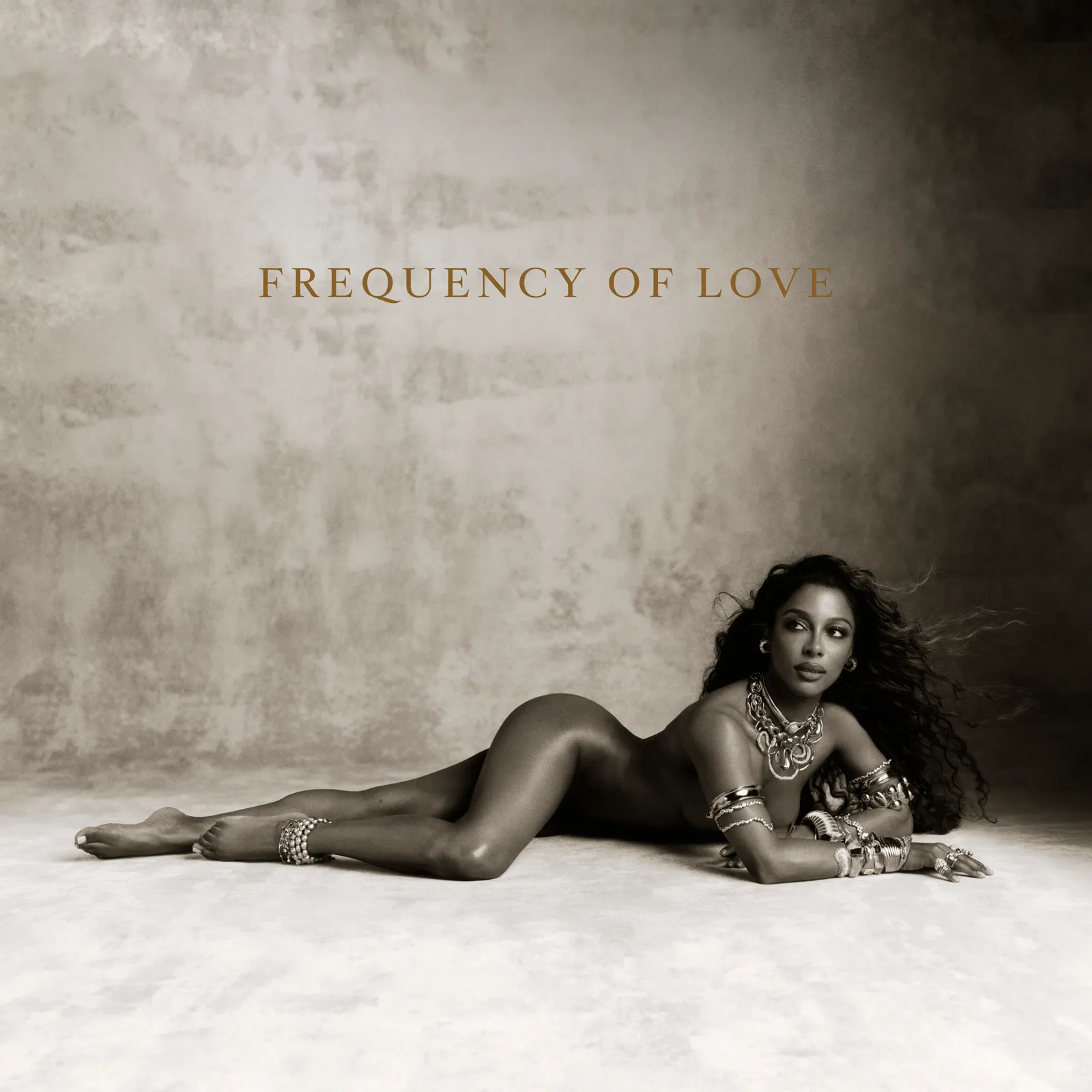
How to follow up such a feat? On Frequency of Love, Monét stretches out, pushing the boundaries of the sophisticated, retro sound of her previous album and finding some surprising new angles to her songwriting. Swoony midcentury ballads? Mysterious interludes with Technicolor vocal harmonies? A dead-serious slow jam about the prioritization of your orgasm that references the Brandy song “Almost Doesn’t Count”? It’s all here. The Jaguar records portrayed Monét as a fount of superhuman confidence, a woman espousing a “ladies is pimps too” lifestyle who would rather die than let anyone stand between her and her dreams; with executive production from Camper (an R&B producer who has recently worked with Tinashe and Doechii), Frequency applies that confidence to a sprawling exploration of the thrills and pains of capital-L Love.
No score yet, be the first to add.
“I don’t like to fight with my emotions,” Monét sings near the beginning of the album, and that’s an understatement. The feelings are free-flowing here, often delivered in clean statements that repeat like Sunday morning prayers: I will always come back to you. I can’t help it, I want you. You’re all I need to get by. This is a softer side of the singer, who previously played the part of a mischievous party girl who left her objects of affection on read just because, and now appears as a true romantic, occasionally struck with doubts, but overall quite ready to apply her powerful devotion to the right person.
First single “Let Me” has her in “Cater 2 U” mode, hoping to be a special someone’s ride or die on a liquid R&B track; by closer “For You,” she’s making full-throated vows over mellow synths and finger-snapped percussion: “For you I make a promise of security/Now and for eternity.” There are still a few flashes of prior cheekiness (“Head to Toe,” a song about foregoing dinner reservations in favor of staying home to have sex, is full of delightful lines like “Forget that Wagyu/This body high stakes” and “Scheduled a driver to drive, rather make your face my ride”), but the overall mood is one of earnestness and pure expression. It’s easy to shock people with salacious lyrics, but when you’ve already written songs with titles like “DickAtNight” and “SOS (Sex on Sight),” it’s even more shocking to suddenly overindex on ballads that would work nicely for a first dance.
The effusiveness of Monét’s expression often finds its match in glorious, maximalist melodrama: string parts straight out of black-and-white movies, a percussion stack full of sensuous cymbal swells and shimmering chimes, at least one instance of castanets. Monét described this album as the Thriller to Jaguar II’s Off the Wall, specifically in terms of Michael Jackson’s ability to “expand beyond what people would think of him doing,” and you can see the scale of her ambition when she plays around with sounds from different eras. “I Want You,” for example, updates a quiet storm ballad with a contemporary groove; its subsequent interlude samples a jazzy cover of the Beatles’ “Michelle.” We have thus blasted through about 80 years of music history in four minutes, with Monét at the helm, hardly breaking a sweat. But even with 22 tracks to work with, the sound too often defaults to a similar muted backdrop, which blurs some of the less distinct songs together. Thriller was expansive in sound, but its magic was rendered over just nine songs. The vastness of Frequency of Love is thrilling, but it can also feel a bit scattershot.
Even when Monét isn’t being quite as playful as on past releases, her personality sparkles brighter than her esteemed guests. SZA has a pleasant but fairly rote appearance on “See You in My Dreams,” whose primary quip—“I slept on you so hard that I still see you in my dreams”—might be a bit too labored, and whose hazy production is a listless “Kill Bill” sequel. And it’s unclear what Bruno Mars did to end up stuck at an eternal retirement home spaghetti dinner, but “That’s Why I Love You,” which opens with a sample of a song by Italian crooner Bruno Lauzi, is an overly fussy ballad that doesn’t sound much different from Mars’ latest hit, “Risk It All” (both were produced by Monét’s longtime collaborator D’Mile). Monét sings prettily on both duets, but their conventionality dulls her shine.
Despite the less-than-focused tracklist, this is a meticulously polished collection of songs, and Monét’s versatility—she is equally comfortable on contemporary songs like the hypnotic, Kaytranada-assisted “Reach Out” as she is covering midcentury standards—is captivating. A tighter structure might have sharpened her experimentation with different genres and eras, but in a certain light, the sheer scope of this album projects the timelessness of her songwriting: It’s as if she’s auditioning for a spot alongside the kind of people who make records that stand the test of time. Right before all those nice voice messages on Jaguar II: Deluxe, Monét herself wondered if she “just might be the greatest”; the audacity of Frequency of Love shows that greatness is certainly within her grasp, so long as she keeps shaking off what’s holding her back.