 Written by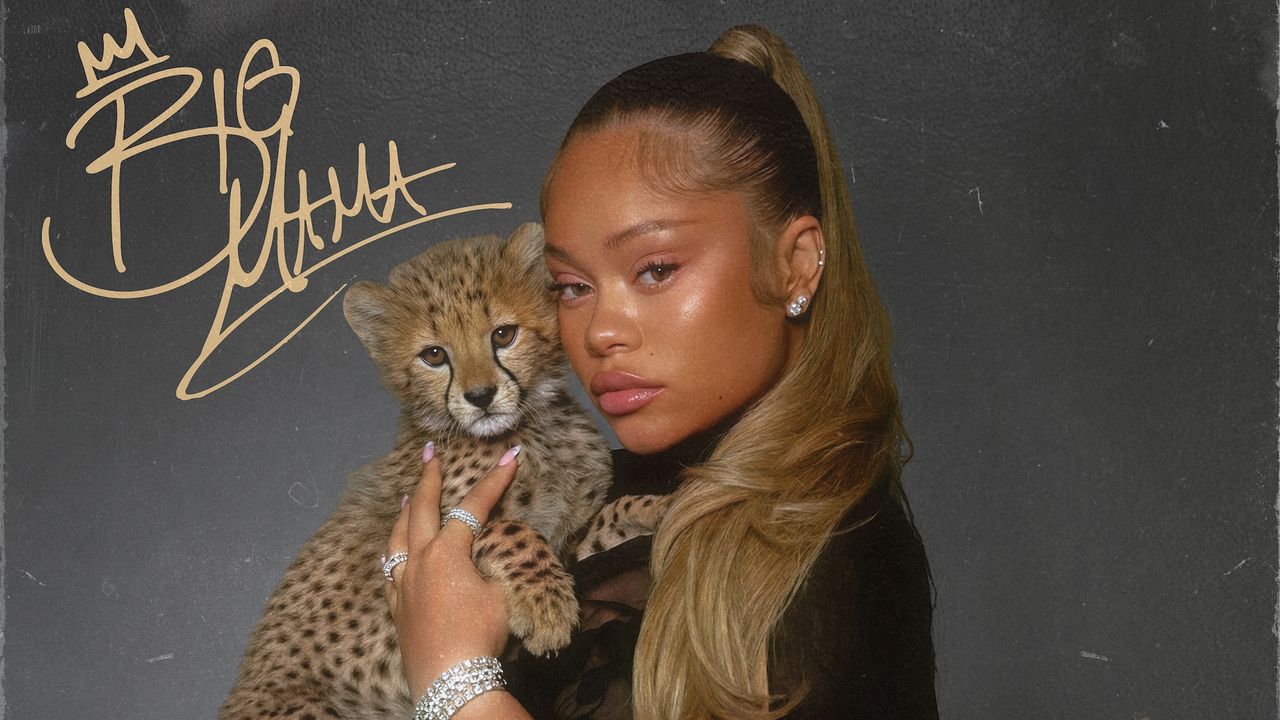
Rappers rarely retire. They claim to, often with fanfare, but they almost never do. So, when Latto—whose ascent over the past decade has been steep and hard-fought—wrote on X that her fourth album, Big Mama, would be her last, it seemed unfathomable.
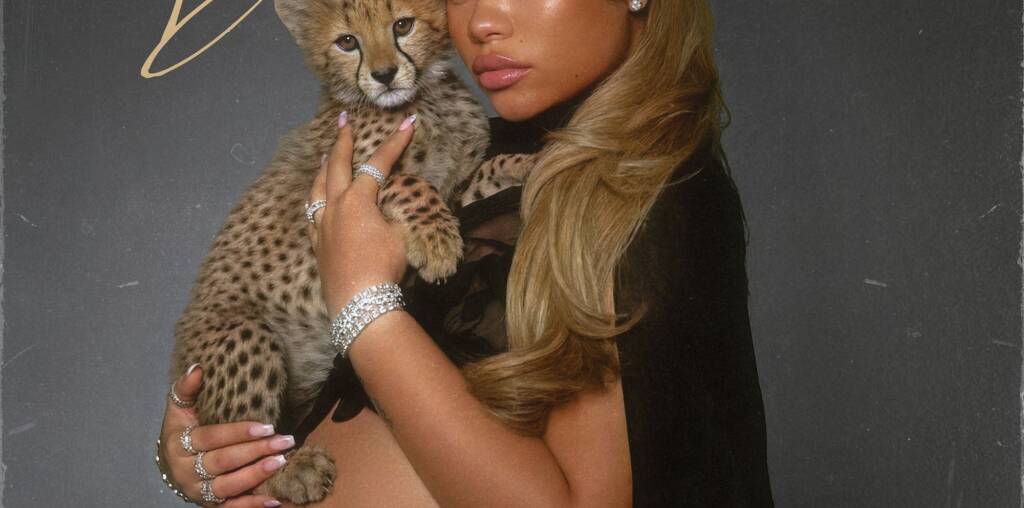
It was only worth fathoming because Latto has actively pursued this career since age 10. In the 17 years since, she’s turned down a deal from one of modern hip-hop’s waymakers and landed 14 tracks on the Hot 100. She’s widely beloved by fans and peers alike, and Big Mama boasts several strong features from friendly superstars: Doja Cat, Sexyy Red, Mariah the Scientist. When she’s had enemies, she’s either won them over eventually (Ice Spice), made them look a little nuts (Nicki Minaj) or contorted their disses into trademarks (her signature cheetah motif took off after accusations that she’d worn the same panties twice). Most prominently, Big Mama was poised as a retirement album because Latto is a new mom with more than enough means to give her first daughter an extraordinary life. “I’ve always had a successful career,” she told Apple Music’s Nadeska Alexis in her first interview post-partum. “She is what put that cherry on top and made me feel fulfilled.” If she wanted to quit now, she could.
No score yet, be the first to add.
It was almost coincidental that the “Big Mama” alias she took on colloquially a few years ago (rebrand number two) came to fruition now. She’s said her baby was very much planned, but the album and its title were in the works before she realized she was pregnant. Big Mama portrays a formidable young woman as she begins to create her family, and Latto’s sense of fun, agency, and independence remains intact. “Get Money Girl” couches its manifesto behind a seemingly vintage interview clip where Miami rap-girl godmother Trina insists ballers don’t impress her because she’s one too. “Latto is a real pen pusher,” Latto raps later, defending herself from accusations that her partner 21 Savage or their friend Drake are the source of her wit. “It’s me behind these bars like Rice Street.” (Rice Street being the infamous Atlanta jail that held Young Thug, and, briefly, Latto herself.)
At many points, the album pays tribute to the obsessive romance that she shares with Savage, now the father of her child. She outraps him in his own flow on “Hostage,” where he’s the featured guest at a couple’s coming-out party (the pair has been somewhat secretive, though it was widely assumed they were together). Set over a playfully decadent reimagining of the Isley Brothers’ “For the Love of You,” it’s the best of several sample-driven tracks across the album. Though Latto came to mainstream fame with somewhat overdone takes on modern hits like Mariah Carey’s “Fantasy” and Gucci Mane’s “Freaky Gurl,” her original beats—largely helmed by producers Coupe, Go Grizzly, Pooh Beatz, and Supakaine—are the standouts here. When she does use samples, like Atlanta classics “Kryptonite” by Purple Ribbon All-Stars on her own “Onnat,” or Travis Porter’s “Get Naked” on “Naked,” it feels innovative and cultured. (The only miss is the Soulja Boy-sampling “GOMF”—not because the song is bad, but because there’s no reason to siphon nostalgia from a man who’s been court-ordered to pay $4.25 million to a woman he’s accused of sexually and physically assaulting. I don’t care how hard we cranked that as kids.)
More than anything, though, Big Mama is steeped in the pleasure of sex that eventually bore new life. Latto animates relatable horndoggery, like when you promise your partner wild post-party sex but fall asleep before you can deliver: “Last time I got too drunk, now I owe you something,” she coos cooly on “Anxious,” with Wizkid and Odeal. Elsewhere, 21 Savage calls back to a line on her last album by asking, “Baby girl, tell me, when you squirt is it straight piss?” The tracklist is sexy all over, but the run from “Gimmie Dat” to “Anxious” is straight baby-making music. The kid is in for a doozy when she’s old enough to hear exactly how she got here, but for adults, Latto smartly and sensually breaks taboos around women enjoying the kind of miracles they’re capable of, especially mothers.
But a retirement album this is not, and not just because Latto walked back her assertion in her interview with Nadeska, attributing the impulse to a depressive low in the new-album-and-new-motherhood process. Big Mama is much more enjoyable without the pressure of it being Latto’s last—it would be a disappointing final entry under all that weight. It’s certainly the best, tightest music she’s ever made, but it lacks the curatorial precision and creative vulnerability of the kind of classic album that’s well within her reach. Essentially, she could have said much more in less time. She’s lyrically sharp and somewhat generous when it comes to details about her baby’s conception and the bumps in the road—in romance and in life—it took to get there, but when it comes to why she fell so deeply in love, her writing is more withholding and reliant on cliché. A total of 18 tracks is too many to stay actively engaged without more conceptual rigor. “Need Luv 2,” for example, is one she should have just given to Sexyy Red.
Vulnerability is a tightrope for someone like Latto, an admittedly private person well aware of the public’s unfair investment in the real love and sex lives of women in rap. People have been trying to expose her relationship with Savage for years now—“We was hoppin’ off the boat, paparazzi tryna catch us like a wide receiver/These bitches be in my home more than my cleaners,” she complains on the triumphant “Chrome Heart Diaper Bag.” It’s clear she still wants to protect her privacy. This is why her limited but earnest storytelling around her own birth family feels so valuable, especially in the gutting opener, “Business & Personal.” Latto circles back to how she grew up at the emotional climax of “Daddy’s Girl Interlude” and “Mama,” but they too fall victim to the album’s sensory overload, where decent tracks distract from remarkable ones. When story, form, and taste are simultaneous and consistent, you’ve got an LP worth hoisting your jersey to the rafters.