 Written by
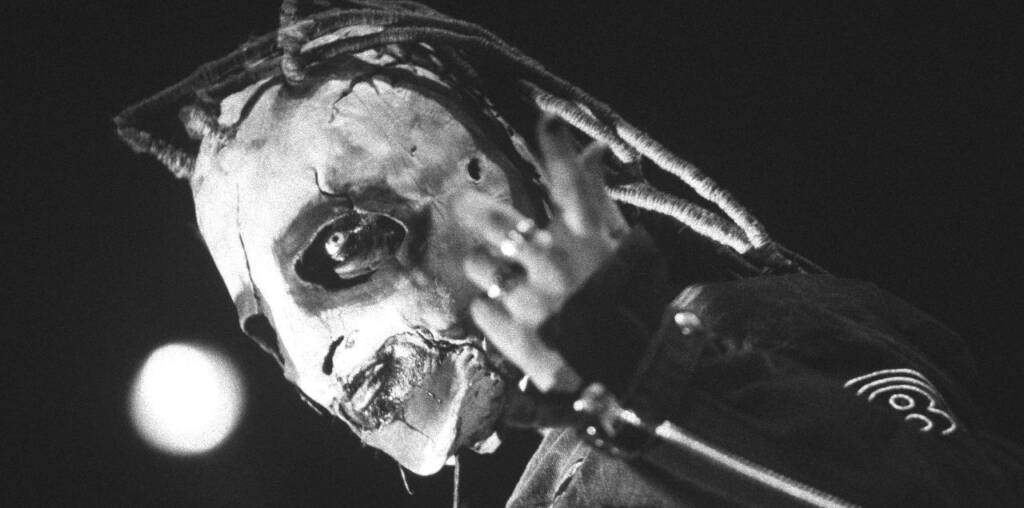
 At the turn of the New Millennium, no band in metal were more hyped, discussed or debated than Slipknot. Their 1999 self-titled debut album had turned them from nine angry, young, masked oddities from Iowa causing a hoo-ha on the Ozzfest’s second stage into chart-bothering, global curiosities, with world domination tantalisingly within their reach.
Most bands in their position, aware of their own superstar potential, would have made a conscious choice to tone things down, shave off as many rough edges as possible and just generally make everything a bit more palatable for a mainstream audience on their make-or-break second album. Slipknot were not most bands; rather than suck up, they doubled down, opening new album Iowa with a song even more ferocious and extreme than anything that they had put their name to before. Unbelievably, it helped make them even bigger.
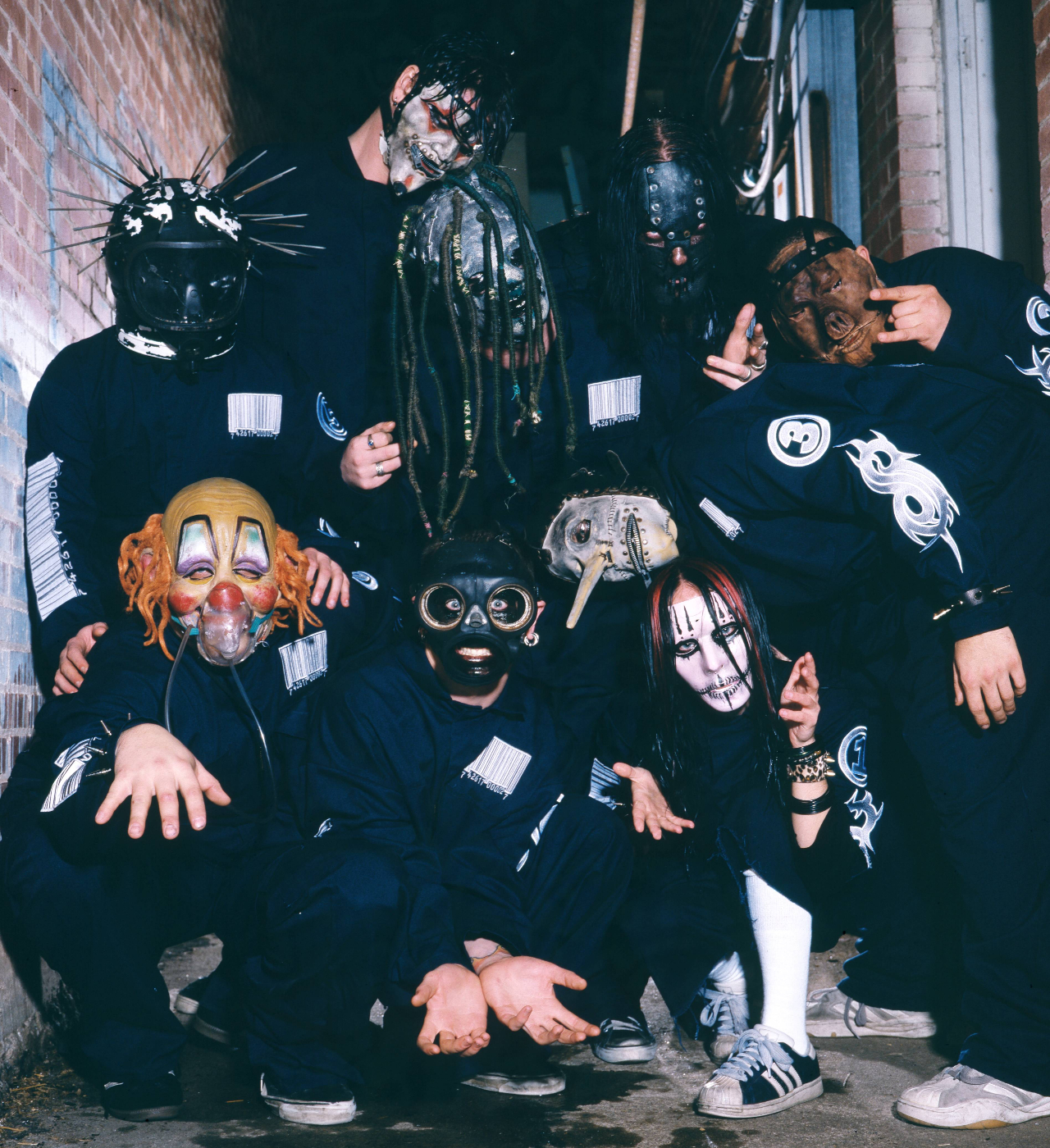
Such was the success of their debut, the members of Slipknot had barely had a chance to catch their breath before they were being coerced into returning to the studio. Slipknot’s touring schedule had been long and brutal, particularly for a group committed to pushing their physicality to such extreme limits every time they stepped onstage.
Article continues below
“Slipknot is a big scary monster, and we’re losing control of it,” vocalist Corey Taylor admitted to Guitar World in 2000, as touring on Slipknot was coming to an end. “We’re reaching the point where we don’t know what it’s going to do or who it’s going to do it to…My mask hurts. It’s tight, and it’s hot behind it. The pain is like a switch: it turns me into what I am onstage – the voice of the monster.”
The combination of a lack of a break, physical exhaustion, pressure to follow up and build on a classic debut album and the inescapable close proximity between members led to escalating tensions in the Slipknot camp. It was a situation that came to a head when they reconvened in early January 2001 at Sound City Studios to record Slipknot’s hotly anticipated follow-up. “That’s when we went to war.” drummer Joey Jordison grimly told Drum in 2008.
The pain turns me into what I am onstage – the voice of the monster
Corey Taylor
The Iowa recording sessions have passed into legend at this point: Taylor recording the title track naked, covered in broken glass and vomiting, producer Ross Robinson fracturing his spine after a dirt bike accident and only taking a single day off to recover, DJ Sid Wilson’s grandfather dying during the sessions and his pained howls of grief being captured for intro track (515). It was complete and utter chaos.
“Recording Iowa was fucking hell,” percussionist Shawn ‘Clown’ Crahan told Kerrang!. “I wanted to kill myself. There was drugs, bitches, rock ‘n’ roll, all that shit. People expected so much of us then. People = Shit was our way of saying, ‘Fuck off and leave us alone.”
Considering this context, it’s no surprise that Iowa was a nastier, more violent and savage beast than even the remarkably heavy Slipknot. It had no intention of easing people in gently, either. After (515), the album immediately gave way to the sound of blastbeasts, squealing guitars and Taylor’s unhinged screaming on the charmingly titled People = Shit.
“People do equal shit,” Taylor explained to journalist Ian Watson in 2001. “We live and we die. Our soul may leave, but our body decays and becomes part of the ground. We’re all made of the same matter, and people who think they’re above everybody else are just bigger piles of shit. The song’s saying, ‘You’re not better than me, I’m no better than you, so you can fuck off.’”
The song sounded like the ultimate middle finger to the entire planet, but Taylor went on to claim that he felt that its title was more about empowerment, rather than pure hopelessness.
“No, not at all,” he said when asked if it was a negative statement. “See? Another misunderstanding. So many people want to take us at face value… It’s actually a liberating statement rather than a damning one.”
By the time Slipknot left Sun City Studios with Iowa in their pocket, Slipknot had been certified platinum in the US, becoming the first album on Roadrunner Records to reach that milestone. Due to this, their label believed that they were about to get a much more commercial sounding record. They were in for a shock.
Everyone thought they were gonna make the wimp-out record and become mainstream
Monte Connor
“Everyone thought they were gonna make the wimp-out record and become mainstream,” former Roadrunner Records head of A&R Monte Connor told Revolver. “And they turned around and made a record that was substantially heavier.”
“We had a lot of places where we could go with this record,” Taylor explained to Metal Hammer in 2001. “People were telling us, ‘You can go commercial’ and ‘You could do a whole covers single thing’ or whatever… but we didn’t fucking want that. We wanted to stay true to where we started from and keep doing what we’ve always done: keep brutalizing the music!”
Admirable as it was artistically, this was considered a huge risk for the band. It left some employees at Roadrunner worried and confused.
“When I first heard it, I loved it, but as a label guy I thought, ‘What are we gonna do with this?’” Monte Connor admitted.
He needn’t have worried; when Iowa was released on August 28 2001 it exploded, entering both the UK and US album charts in the number one spot, unquestionably becoming the most extreme album ever to have achieved that feat, before eventually gaining platinum status on both sides of the Atlantic.
Critical opinion was almost uniformly both positive and stunned at the album’s sheer heaviness. Rolling Stone called it “the sound of hell boiling over” and Alternative Press compared it to “having a plastic bag taped over your head for an hour while Satan uses your scrotum as a speedbag.”. People = Shit itself was often singled out as a highlight, with Drowned in Sound saying it “takes the formula of the first album and cranks it up to 666″.
Kerrang! excitedly enthused of the way the song “explodes into a savage death metal-style blastbeat and some deranged bellowing from Corey,” adding that “it’s instantly apparent that Slipknot’s second album is a far more aggressive and intense beast than their first.”
Like having a plastic bag taped over your head for an hour while Satan uses your scrotum as a speedbag
Alternative Press
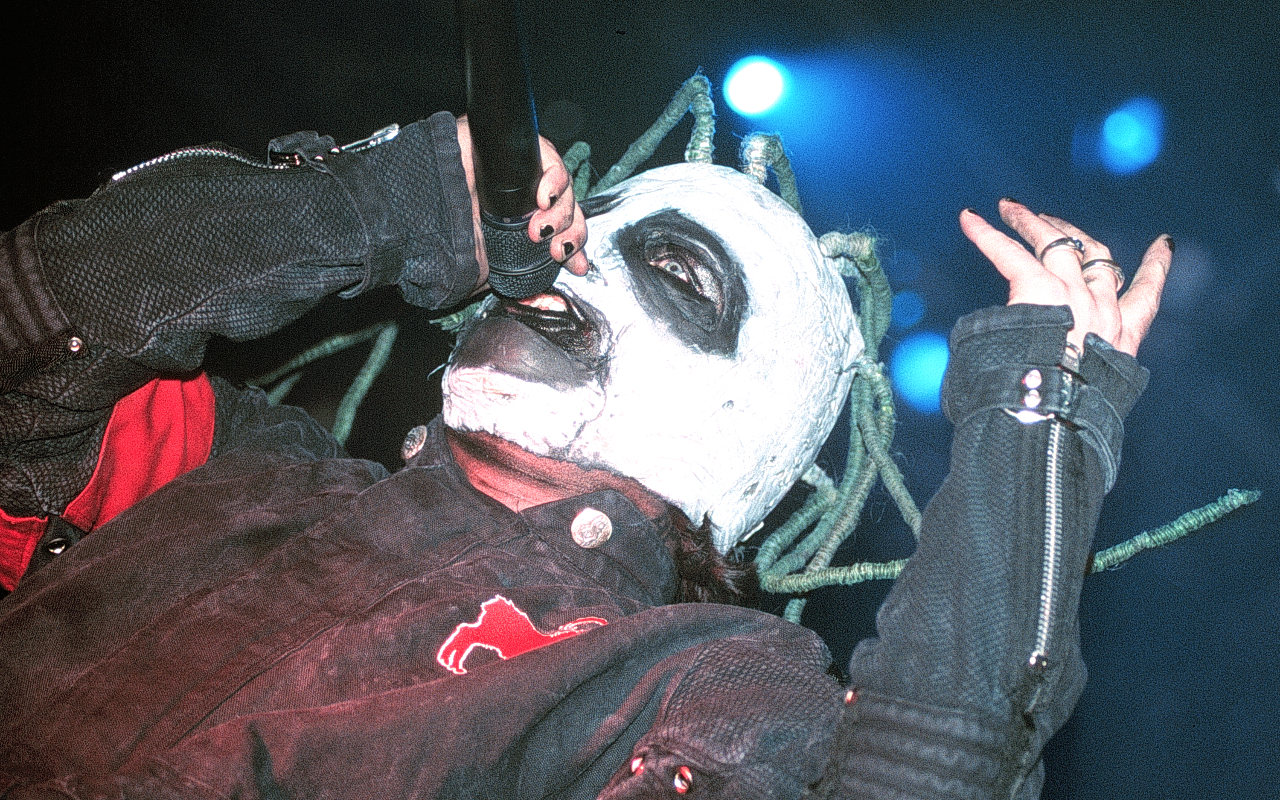
But if the album version of People = Shit was crushing, it was nothing compared to when Slipknot took Iowa out on tour. The track became the curtain-dropping, opening gut punch for their live shows, memorably captured at the now defunct London Arena on February 16 2002 for the band’s Disasterpieces DVD. It was Slipknot at the absolute peak of their powers, a jaw-dropping maelstrom of noise, movement, explosions, bodies and chaos. Decades down the line, no Slipknot set is complete without it.
Today, People = Shit is more than just a song; it represents the moment Slipknot defiantly showed that they weren’t going to play the music industry game. Every t-shirt the slogan is emblazoned on, every metalhead who bawls the phrase at a gig, is another middle-fingered salute toward conformity and a reminder of how the band risked it all to prove they were to be the architects of their own career.