 Written by
 Portland, Oregon singer-songwriter Alec Duckart, who performs as Searows, broke through at the height of the post-Boygenius singer-songwriter wave: First, charming TikTok followers compared his voice to Phoebe Bridgers’; then, he earned support slots for Gracie Abrams and Ethel Cain; eventually, his single “House Song” racked up 80 million Spotify plays. But Duckart sets himself apart from his brooding contemporaries with sheer intensity, never diffusing vulnerable moments with a quip or an ironically upbeat chorus. He saves his songs from entering overwrought coming-of-age angst territory with sharp writing; it helps that, a former theater kid, he’s got deft control of his voice, often layering his vocals into tense, multi-part suspended harmonies.
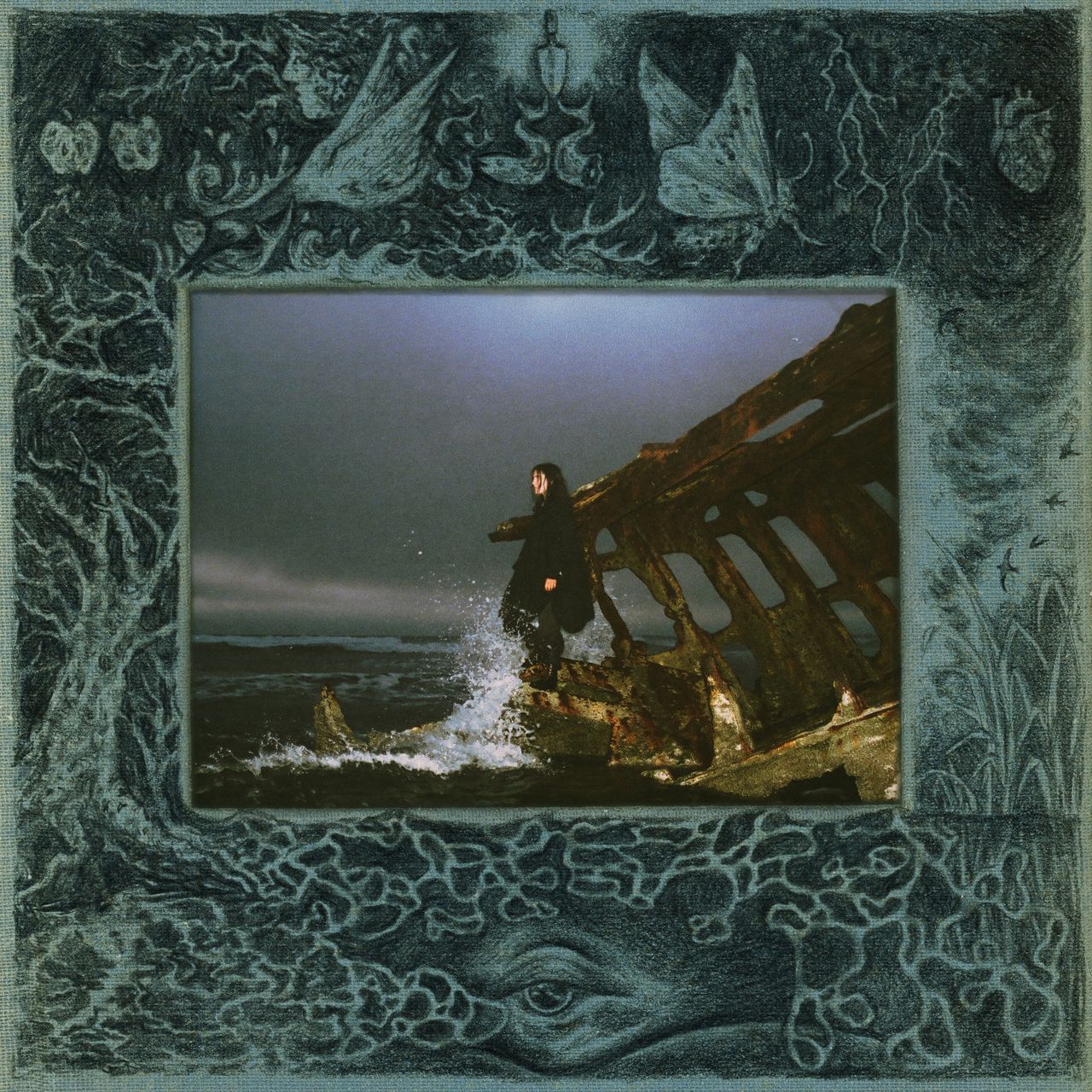
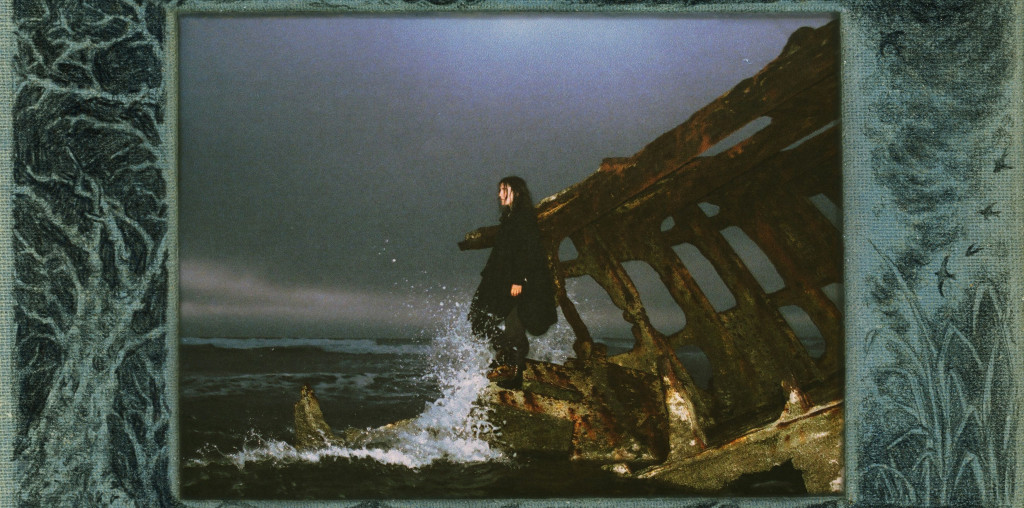
Duckart’s second album, Death in the Business of Whaling, further develops his creative identity by adding a little mystery, opting for abstract, free-associative musings over straightforwardly confessional songwriting. Still, the same existential discomfort persists: “It’s delusion, but it’s peaceful/That this body is not your own,” he sings on “Dirt.” The characters that populate Death in the Business of Whaling fail to live up to others’ expectations, and often feel fundamentally damaged: Across several songs, Duckart’s narrators are in the “belly of the whale,” they’re on “a sinking boat,” they’re “like an insect.” These songs inhabit a complex emotional middle ground, more likely to sit with difficult feelings than wallow or reach an optimistic conclusion. On “Junie,” the narrator—possibly a younger Duckart—admits to a high school guidance counselor he feels beyond repair: “There is nothing else left to decide/Have you learned nothing from the pain in your side?” As the song expands outward, the relationship between counselor and student grows complex: The song seemingly swaps point-of-view, as Duckart sings, “I was the safeguard/but you fell too hard”—but by the end, it’s hard to tell who’s saying “I can fix it, but it won’t hurt you less” to whom. On “In Violet,” the narrator is concerned about the power he wields over someone who idealized him: “I was a God and I’m not sure that you bought it,” he sings, “I’m scared of the thought/That I’m selling you on it.”
No score yet, be the first to add.
Recorded with producer Trevor Spencer, who has worked with Beach House, Death in the Business of Whaling is Duckart’s first release made with a full band, though that adjustment doesn’t massively change what works about his music. If anything, the record subtly repositions Duckart as slowcore: Spencer drowns Duckart’s voice in a metallic, resonant reverb, so he’s mixed both at the front and just out of reach. Call Duckart the son of Daughter; a formative love of the atmospheric folk band is all over Duckart’s catalog, and Daughter drummer Remi Aguilella even contributes his tom-heavy style to the dreamy climax of “Hunter.” (“Hunter” also contains the line, “I’m a killer with a heart on fire,” the album’s one outright lapse into the melodrama that Duckart usually avoids.) Mostly, these arrangements are tasteful—so much so that even subtle choices, like an electric instead of an acoustic (“Hunter”) or a harmonica outro (“Dirt”), make a noticeable difference.
As yet another yearning folk musician, Duckart faces an uphill battle: The market is oversaturated with similar plaintive performers, and it might be just as easy for some people to write him off. So it’s thrilling when, on “Dearly Missed,” the album’s epic centerpiece, he shows he’s capable of throwing away that formula altogether. It’s a surprisingly murky song about someone who refuses to face accountability. Duckart’s narrator is biting toward the subject (“You probably grew up being dishonest/What else could you do though/It was all you knew”). Towards the song’s end, over mounting tension, Duckart lets the plot swerve: “By some sort of coincidence,” he narrates, his gentle delivery throwing the coincidence into question, “He drove his car off of the river bridge.” After this startling detail, Duckart finally lets loose, belting for what feels like the first time in his entire catalogue. His voice sounds uncharacteristically harsh; the lo-fi mix isn’t far from recent shoegaze bands like Knifeplay, but the song is still rooted in folk storytelling. This time, he evokes no obvious comparison.