 Written by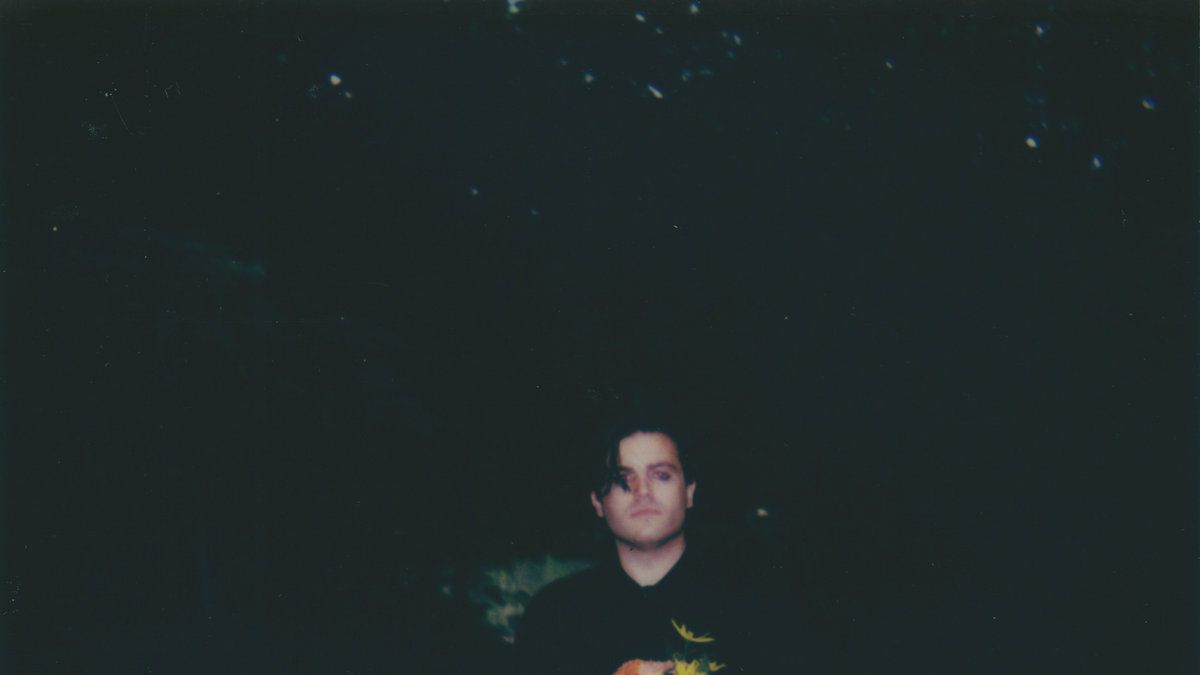
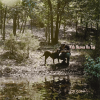
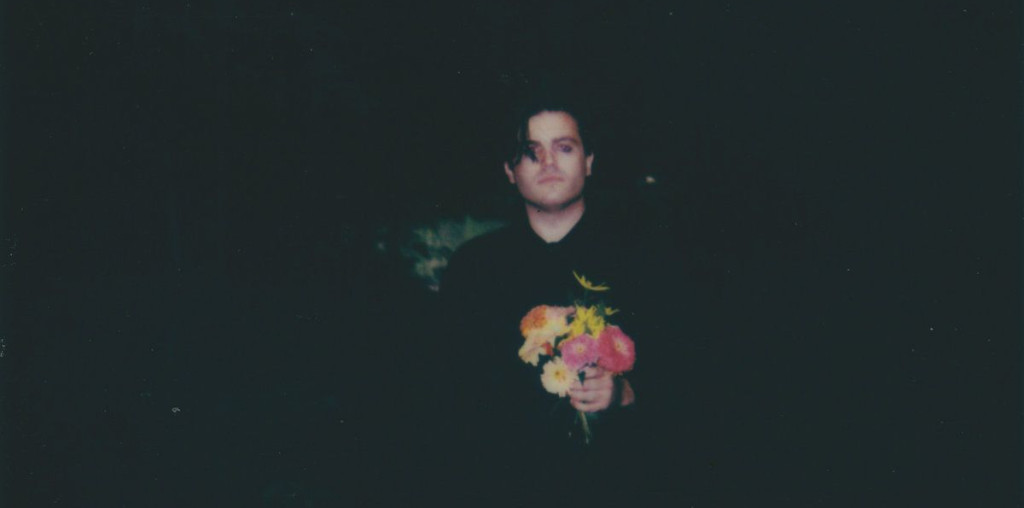
Nobody knows who Daguerreotypes’ James Samimi Farr is, and judging from his expansive and warm folk debut, This Is My Way to Tell You That Everything Is Real and Is Happening Now, this knowledge has eaten away at him quietly for the better part of a decade. After abandoning his dreams of a music career in his early 20s, Farr has returned to these dreams, or perhaps to the grave where he believes they are buried. The album’s 20 songs are the resigned and rueful sound of him making amends with his obscurity, and his larger place in the universe. “If this is all there is, and we are all alone/My voice can go no higher,” he sings on “Born a Baritone.”
As a writer, Farr belongs to a long and storied line of married men wrangling poetry from their bewildered happiness and vague dissatisfaction. At times, he reminds me of Bill Callahan, trembling at the implications of his unlikely late-life bliss on 2019’s Shepherd In a Sheepskin Vest. At others, he recalls Built to Spill’s Doug Martsch, who paired dreamy contentment with unease in lyrics like, “Nothing’s bad, no one’s dying/Most of my dreams have come true.”
It’s a register I’ll call the “domestic cosmic,” and Farr mines it for observations like this one: “The passage of days is a parade of faces/Familiar strangers in the morning mirror/Trying to step into the same river twice” (“Same River Twice”). “I’m deep into my 30s now,” he muses on “Home Planetarium,” and it’s touching (and amusing) in the same way it was when Neil Young, at age 27, wrote, “And I’m gettin’ old.”
Farr recorded the album on vintage TASCAM multi-track recorders and did his overdubs on reel-to-reel tape, a finicky process that stretches the tape and imbues the music with the ghosts of previous takes. You can hear his loving devotion to the process in the music, which feels surrounded by everyday objects and drenched in light. “Room tone” is a tricky and intangible quality, but I can nearly see the paint on the walls in the West Quebec cottage where Farr recorded these quiet, contemplative songs.
A deep and wide spiritual longing courses through the center of Farr’s music, a sort of everyday mysticism, that also puts his music in conversation with Will Oldham’s. Farr tends to express this yearning in naked, almost discomfitingly straightforward terms: “When you are alone, you are with God/And when you are with God, you are with everyone,” he croons on “Firefly,” letting the last syllable of “everyone” take him into a falsetto. “Is this a Christian album?” a friend asked me when I played it recently.
It isn’t, but the God-shaped hole is everywhere on This Is My Way. On “Take a Great Notion,” over stand-up bass notes that hit like ink droplets, Farr imagines a time when he will, in fact, embrace a higher power: “Spool out your mercy like the line of a kite,” he pleads, before admitting: “I don’t believe you, or in you/But maybe I might.”
This sort of tremulous sincerity can be frightening to those who are unaccustomed to it. For Farr, the sincerity is the point: On “Evel Knievel” he links the vulnerability of reaching out to someone with the bravery required to clear 14 Greyhound buses on a motorcycle. The strumming pattern is an unmistakable callback to Arcade Fire’s “Wake Up”—another anthem of unbearable sincerity, from another time. The song is also where Farr assays the line, “This is my way to tell you everything is real and is happening now,” which is sort of a wordier way to say “Wake up!”
Perhaps Farr never gets closer to the bone than he does with “I Love to Sing and Play Guitar,” which represents the apogee of Farr’s peculiar kind of bravery. There is no second level to the song’s message. Farr reminisces about being taught “Come As You Are” by his sister at age 10, admitting that it changed his life forever. “I make music every day/I’m so glad to be a part of beauty in my own way,” he sings, before coating the track in wide paint streaks of electric guitar soloing.
You might wish to shrink from the earnestness of such a plainspoken sentiment, rendered in the simplest language. I know I did, sometimes. But Farr’s music pushes past these contractions, demanding gently that you open wider, admit more of the world. And the music itself, rich and warm and enveloping, glimmering in all corners with lovingly wrought sounds, beckons you forward.