 Written by
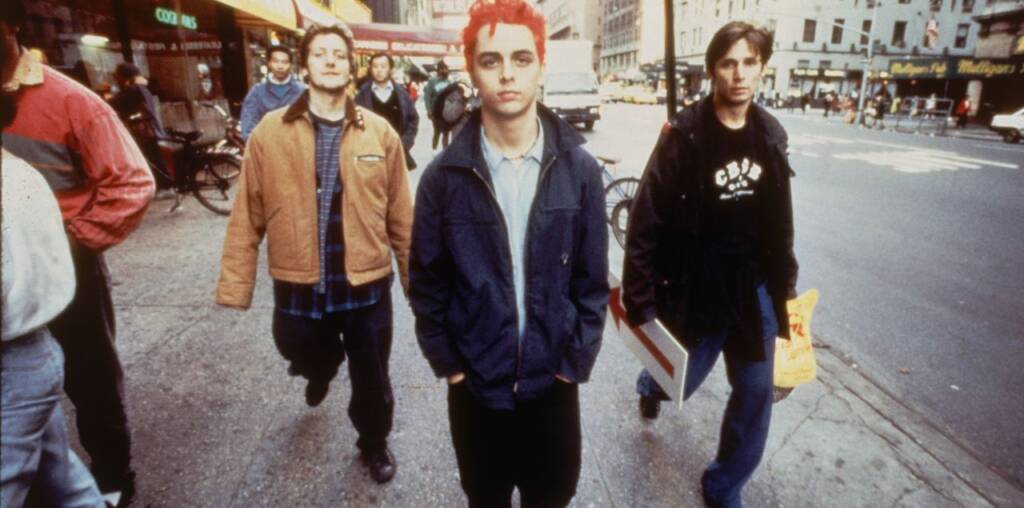
 There’s a place that’s on 7th Street and Peralta in West Oakland, just by the BART railway station, where Green Day frontman Billie Joe Armstrong and bassist Mike Dirnt lived in 1989.
To describe this warehouse spot as palatial and well-appointed would be stretching the truth just a little bit. The abandoned building was dilapidated as fuck, to put it kindly, and a place where these two teenagers – then in a band called Sweet Children – and a gang of “punks, runaways and artists” called home. It was certainly different to the Armstrong family home located some 20 miles away in Rodeo, California.
“It was rat-infested and in a really fucked-up neighbourhood, with a lot of crazy punks and friends,” Armstrong told Rolling Stone Australia. “I was paying $50 a month for rent, which was great, because, being in a band, you got paid a couple hundred bucks here and there — so it was easy to pay for rent, eat Top Ramen, and buy weed. It was an eye-opening experience.”
“Suddenly, I was on my own, out in one of the gnarliest neighbourhoods in Oakland,” he added. “You look around and you see cracked streets and broken homes and ghetto neighbourhoods, and you’re in the middle of it. You’re scared, thinking, “How do I get out of here?” Then suddenly it starts to feel like home. There is a sort of empathy that you have for your surroundings when you’re around junkies and homelessness and gang warfare.”
The riff itself came from drummer Tré Cool, while Armstrong provided the drum patterns. The lyrics to Welcome to Paradise was written from Armstrong’s viewpoint and addressed to his mother, Ollie. Gunshots, violence and death? These were real life situations which took place in his neighbourhood and not dressed up to give the song some grit.
“It was not the safest neighbourhood in the world,” Armstrong would later tell the Library of Congress’ Roswell M. Encina, “but it sort of was something that, like, I felt it was an ode to Oakland, and sort of how I sort of fell in love with being a kid that grew up in the East Bay and just experiencing real life in Oakland.”
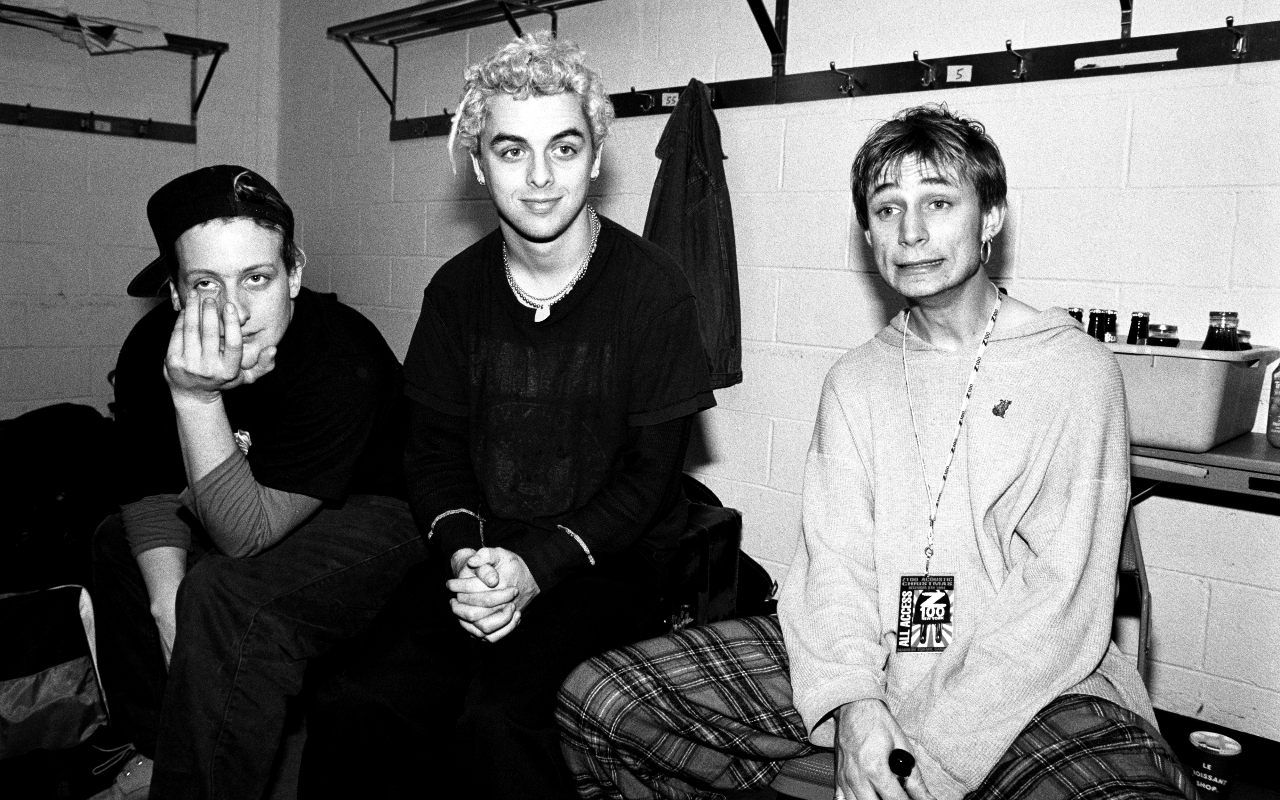
The song originally appeared on the band’s 1991 album, Kerplunk! – their second –and later appeared on the band’s breakthrough album Dookie some three years later.
Feeling the pressure of a big studio and their label’s expectations, the band took their major label debut seriously and put hours in to prepare for their time with producer Rob Cavallo at Berkeley’s Fantasy studio and Los Angeles’ Music Grinder.
“You get the courage after you do the thing you’re afraid of,” bassist Dirnt told The Ringer. “We rehearsed and demoed the shit out of the record, and then we were touring basically up until we came back to make the record. That’s how Welcome to Paradise ended up on the record. Because it had gotten better on tour.”
“What it was really like, was we did our 10 to 12 hours a day of just focused, hard work,” Cavallo told Billboard of the 1993 recording sessions. “There was always the fun and the shenanigans that were going on, but really, we got down to work. It was no fuckin’ around. It was like 98 percent, ‘We’re making a record. We’re there to show up every day and basically kick ass.’ So that’s what we did.”
“There’s a sort of empathy that you have for your surroundings when you’re around junkies and gang warfare.”
Billie Joe Armstrong
While Welcome To Paradise was a set staple, it was introduced to the wider world on August 14, 1994. Billed as ‘3 Days of Peace and Music’, the band were booked to perform as part of Woodstock’s 25th anniversary in Saugerties, New York.
Armed with their new album Dookie, their set – which was broadcast as a 43-hour pay-per-view, along with coverage from MTV and BBC Radio – was performed in front of an estimated 500,000 people in poor weather conditions.
Opening with Welcome To Paradise, Armstrong greeted the crowd at the South Stage with a warm welcome: “What is this free fucking hippy love shit? How are you doing, you rich motherfuckers?”
Their set quickly turned into a mud fight between the audience and band. In the ensuing mayhem, a security guard mistook Dirnt for a muddy fan and accidentally broke two of his front teeth.
“It was pretty chaotic, and set up really well for Green Day to take the stage and make all hell break loose,” drummer Cool told Member Guest podcast. “Luckily my drum set was just far enough back where I was less in harm’s way. It was a crazy set – a set that changed our whole lives, really. After that day, tons of people were showing up at our shows. That was kind of the pivot moment – that was the green-jacket moment for this band.”
That’s a Masters golf reference, there.
Their album sales and profile positively soared following their Woodstock appearance, with Welcome To Paradise given a single release two months after their notorious, muddy festival set.
Now, with album sales for that 1994 breakthrough album exceeding over 20 million copies – that’s Double Diamond status if you’re in the Recording Industry Association of America – it’s a far cry from the teenager who ate nothing but ramen noodles and shared his living space with rats. Luckily for his band, his family, and accountants, let’s be honest, it inspired a modern pop-punk classic which has enjoyed 257,616,107 streams alone at the time of posting.
That’s a lot of Top Ramen noodles.