 Written by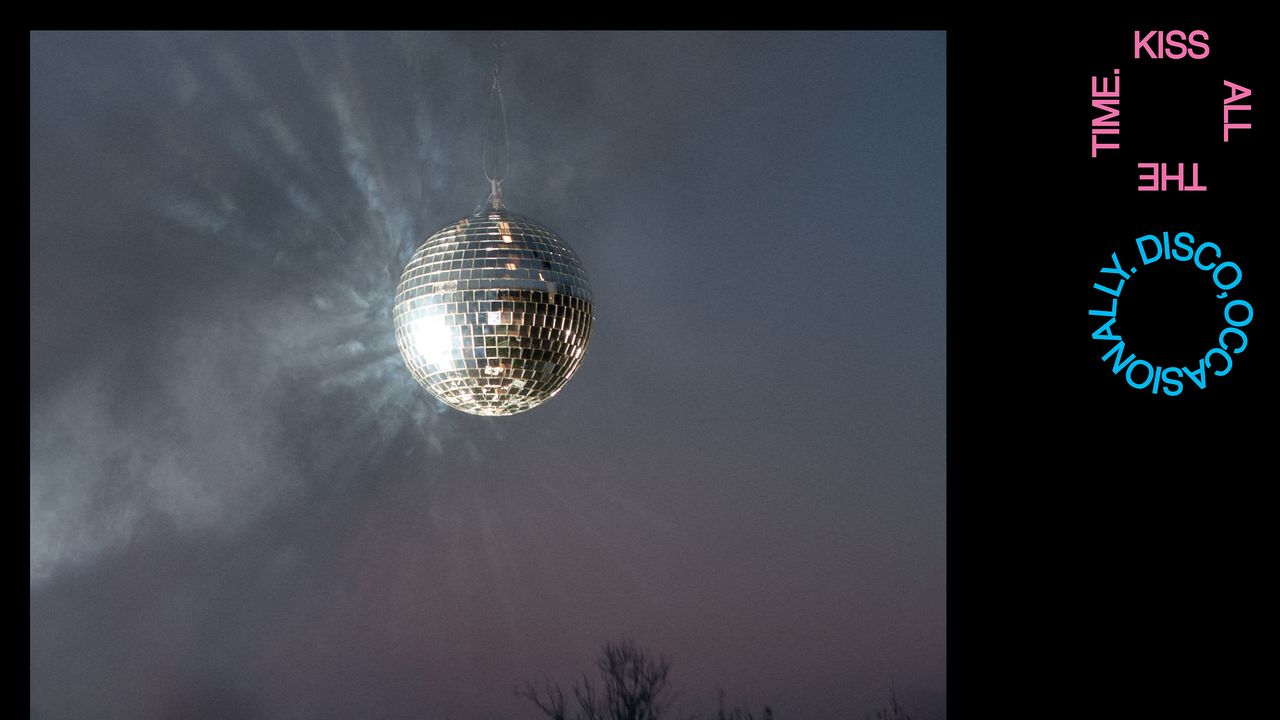
It’s always “you, you, you” with Harry Styles. He uses the word “you” and its derivatives 326 times on his new album Kiss All the Time. Disco, Occasionally.: How’ve you been? You just need a little love. There’s only me and you. Tell me your fears. You touched me goodnight. Do you love me now?
By comparison, “I” and its derivatives get a scant 127 uses. That’s hardly qualitative analysis, but it does speak to the feeling that Kiss All the Time is an act of sublimation: These songs, produced once again by Kid Harpoon and Tyler Johnson, sound like Harry Styles songs, but the man himself rarely feels present. Instead, he’s busy trying to be Matty Healy (“American Girls”) or Jessie Ware (“Dance No More”) or, on the record’s quieter tracks, wondering why he makes music at all. The fact that, four records in, Styles is now one of the biggest male pop stars in the world seems to be the album’s sole reason for being: It was time for another Harry Styles record.
No score yet, be the first to add.
In his four years away, the flamboyant and intriguing gobbledegook of 2022’s Harry’s House has become sadder and less defined; he may claim that “I know what you like, I know what you’ll really like” on album closer “Carla’s Song,” and it may be true, but the noncommittal emptiness of Kiss All the Time is hard to love. Styles matriculated at a school where projection is king: Part of the reason boy bands inspire strong fandom is because their songs allow the listener to believe they could plausibly be the object of affection. Styles was introduced to the world, after all, with a song about how your flaws make you beautiful, and made videos where he looked deep into your eyes and took you ice skating. Nobody can sell out Madison Square Garden 30 times over on a single tour without at least some of your fans feeling like you’re singing to them and them alone.
Kiss All the Time doesn’t feel like a cash grab—Lord knows Styles has more of it than anyone could ever know what to do with—and to hear Styles talk about his music suggests that he is genuinely interested in trying to chart new ground for himself. But all those “you”s make it a little easier for him to avoid the central question of his career: Who are you, really, beyond the big pants and the anti-bullying slogans and the even bigger pants? It can sometimes feel like the idea of Harry Styles, World-Beating Superstar, was so predetermined that nobody remembered to ask what he was really into or what drives his music. On Kiss All the Time, the “you”s act like a Magic Eraser, swiping away any answers to those questions before you knew they were there. It’s a lot more pleasant to give yourself over to projection than to draw any blood.
Kiss All the Time was inspired by LCD Soundsystem, the Berlin club scene, and marathon running—few other pop stars have ever telegraphed more clearly that they’re trying to find themselves, or get away from it all, or both. On its most coherent songs, Styles seems to grasp at the idea that he’s a cipher. “It’s like you’re taking up arms, but the message is wet/It sounds inviting, but you don’t believe it yet,” he intones on “Are You Listening Yet?”, one of a few songs where he attempts to capture the strung-out cool of prime dance-punk. On “Season 2 Weight Loss,” he admits, “It’s hard to tell when the thoughts are my own,” a sad indictment of a record that sounds like it was written with maximum respectability in mind.
It’s a foregone conclusion, then, that Styles’ entrance into the world of dance music feels a little watery. Fans looking for their introduction to club hedonism might be surprised to learn that wild, sweaty abandon can be conjured with the same big crash cymbals and plinky guitar lines that have featured on every other Harry Styles record. There are enough nods on Kiss All the Time to Styles’ stated influences—-a sharp, craggy synth running through “Season 2 Weight Loss”; chattering drum machine on the bittersweet Wolfgang Amadeus Phoenix-ish highlight “Taste Back”—that you can at least identify his intention. (This isn’t Dua Lipa talking up a Britpop album before delivering nothing of the sort with Radical Optimism.) But Styles undermines himself every time with moves straight out of the stadium-pop playbook: A dazed acoustic guitar interlude on “Ready, Steady, Go!”; a big festival chorus on “American Girls”; the aforementioned big drum fills on “Carla’s Song.” By regressing to the safe embrace of the Los Angeles producer toolkit over and over again—in a world where James Murphy has never met a check he couldn’t cash—Styles denies any of the catharsis or release he supposedly found in the club.
It’s a shame: Styles’ rarefied status and wacky fashion sense mean that he, of all stars, could afford to genuinely break form without ruffling any feathers. He asks to be taken more seriously than practically any of his contemporaries (and expresses marketable good taste always) and backs up that request by paying lip service to Haruomi Hosono and Joni Mitchell, doing an interview with Haruki Murakami, mounting collaborations with JW Anderson and the Southbank Centre. The general public has, by and large, taken him at his word, anointing him pop’s Most Tasteful. But Styles rarely lives up to his end of the bargain.
There’s nothing inherently wrong with spritzing a little LCD on the wrists, dabbing some Phoenix on the neck, and then getting dressed up in your usual Keane. He wouldn’t be the first pop star to have a life-changing experience that only changed their life a little. But it suggests that Styles, an idiosyncratic, generational artist in all but art, is so terrified of exposing himself that he’s unwilling to fundamentally change his formula at all. Either that, or he only trusts his audience enough to give them a diet version of a sound he loves. It’s strange: Wasn’t this all supposed to be for you?