 Written by
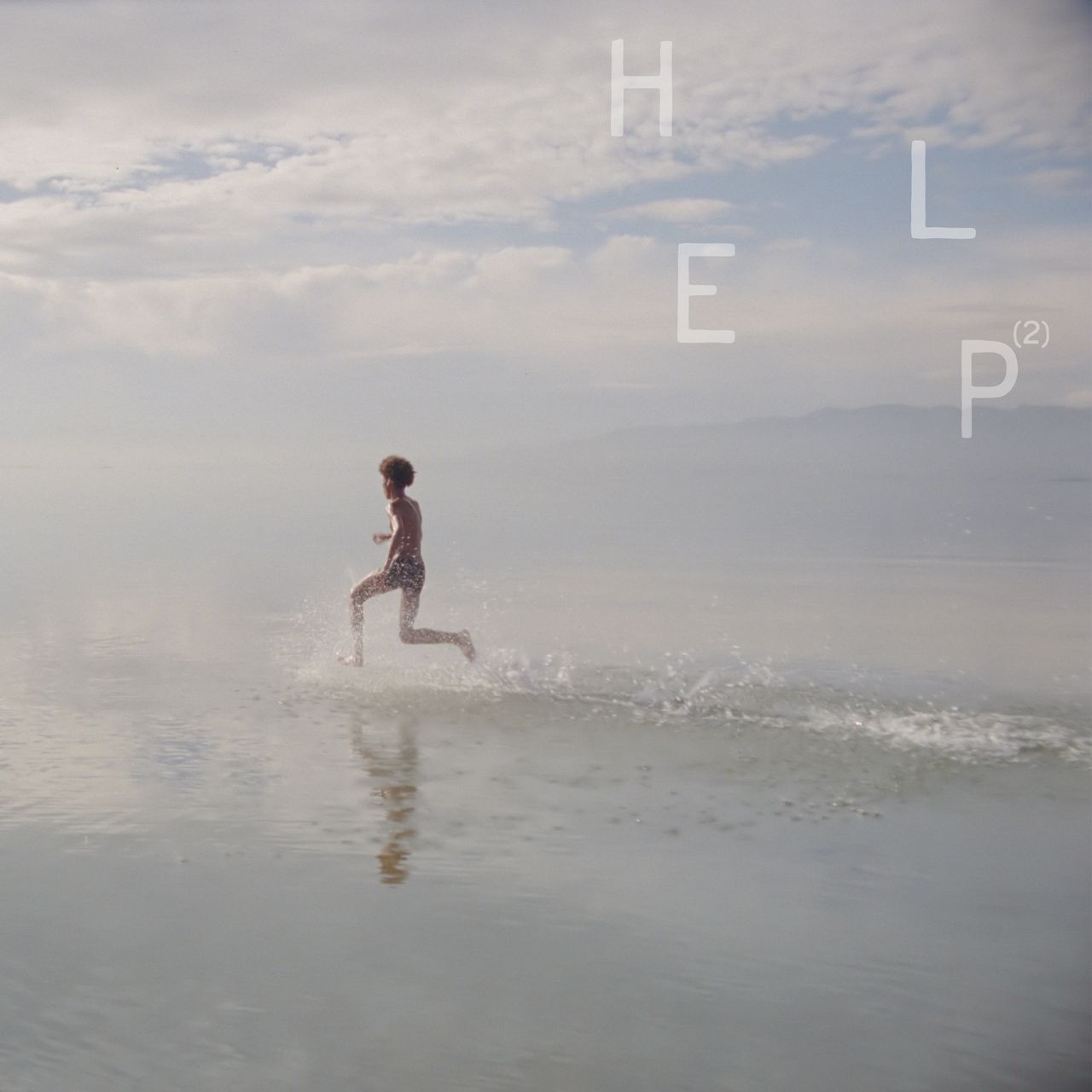
 In 1995, as violence and ethnic strife tore apart the former Yugoslavia, the urgency of the crisis gave a group of peace activists an idea: record a benefit compilation in one day, mix it the next, and have it on shelves before the end of the week. Masterminded by nonprofit organization War Child and produced by Brian Eno, the album brought together a motley group of big-ticket artists—Radiohead, the Chemical Brothers, the Stone Roses, Paul McCartney—and raised over a million pounds for children caught in the Bosnian war. Like many charity compilations, the album doubles as a retroactive time capsule of Britpop’s heyday: Both Oasis and Blur contributed tracks the same year they were fighting for chart dominance. The Help Album was so successful that it inspired War Child to continue with a series of follow-ups; it has been nearly two decades since the last compilation, 2009’s War Child Presents Heroes, and with mounting crises in Gaza, Sudan, and the Ukraine, War Child Head of Music Rich Clarke decided it was time for another compilation.
For HELP(2), Clarke approached British producer James Ford, whose clientele mainly consists of acts from the upper stratosphere of British alternative rock: Arctic Monkeys, Depeche Mode, Foals. Where Help was steeped in Britpop, HELP(2) expands to virtually everyone who’s ever come near the BBC Radio 6 A-list, including Ford’s aforementioned associates and even some Americans: Olivia Rodrigo, Big Thief, and Cameron Winter all make appearances. Last November, those musicians and dozens more gathered for a week at Abbey Road Studios. As if the stakes weren’t high enough, Ford, diagnosed with leukemia in 2024, fell ill and directed sessions through his laptop post-blood transfusion. By some miracle, the 24-track behemoth works on its own. It’s frequently beautiful and shockingly consistent, given the range of artists involved, and almost every artist brings their best efforts.
No score yet, be the first to add.
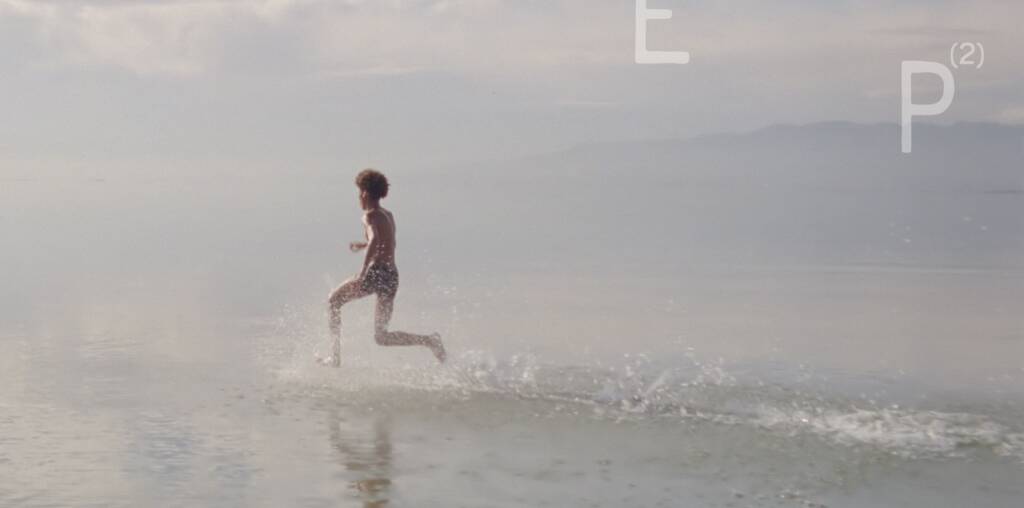
From his earliest days as a member of Simian Mobile Disco, Ford has favored a dry, drum-forward mix: his recordings both sound live and suspiciously polished, to the point where even his Florence and the Machine production “Moderation” uses minimal reverb. In a chaotic week, a steady hand like that can be an asset; there’s no time for overthinking. (A forthcoming documentary by Zone of Interest director Jonathan Glazer, who had the idea to view the sessions from a child’s eye, added to the chaos: It’s hard to be too serious with camcorder-wielding children running amok.) Spontaneity and naturalism characterize much of the album, even on songs by artists not necessarily known for those qualities. The Last Dinner Party can sound stiff on record, but their extremely Bowie-esque “Let’s Do It Again” benefits from its loose, playful recording, right down to an unexpected last-second tempo change. A collaboration between Damon Albarn, Fontaines D.C.’s Grian Chatten, and rapper Kae Tempest, “Flags” is less fussy than Albarn’s other heavily collaborative project; in fact, it’s surprisingly laid back, even when multiple choirs join in at the end. That’s just one of several team-ups; the most moving is the penultimate track, “Sunday Light”: Primarily an Anna Calvi song, it starts like a solitary prayer to a young boy until the trio of Ellie Rowsell (of Wolf Alice), Nilüfer Yanya, and Dove Ellis offer support, a soprano-alto-tenor combination shrouded in reverb.
The occasion seems to have liberated some artists to play against type and experiment with their sound. The normally boisterous Wet Leg contribute an acoustic song (“Obvious”) written before their first record, while Black Country, New Road tip all the way into ’70s soft rock with “Strangers,” recalling the Roches and early Carly Simon in the quirky tale of an actor trying to make it in Hollywood. Most surprisingly, Foals step out of their comfort zone for the first time in years: If the ominous ambient piece “When the War Is Finally Done” sounds fit for a AAA video game trailer, the detuned synths bode well for a frustratingly meat-and-potatoes quartet. Some acts still do what’s expected of them, though it’s a treat to hear Young Fathers let loose in Abbey Road with a density normally reserved for their Danny Boyle collaborations. Only a handful of cuts feel like tossed-off demos, including “The 343 Loop,” by the famously enigmatic King Krule. (Even Ford said, perhaps diplomatically, of the two-minute interlude, “We were maybe expecting more of a song.”)
The album’s covers are slightly more conventional: Arooj Aftab and Beck (a fascinating pair in theory) tackle “Lilac Wine,” and Beth Gibbons sings the Velvet Underground’s “Sunday Morning,” but while both versions are gorgeous, they’re not surprising the way the best of the compilation is. The highlights find new ways of expressing a shared anger, decades apart: Depeche Mode turn Buffy Sainte-Marie’s ’60s protest song “Universal Soldier” into a Depeche Mode song, with all the Dave Gahan bellows and minimalist drums that implies, emphasizing the darkness in the original lyrics. The biggest shift is Fontaines D.C.’s mournful take on Sinead O’Connor’s “Black Boys on Mopeds,” a classic anti-Thatcher protest song against racial profiling. The Irish group trades the original’s tender fury for a massive, melodramatic finale where a string quartet (credited as “the Night Orchestra”) sends the ballad into the stratosphere. On paper, the bombast should be a disaster, but grounded in Grian Chatten’s deadpan, it’s one of the most moving tracks on the record.
For rawer emotion, look no further than Cameron Winter’s “Warning”: Just strings and multitracked vocals, it’s the biggest curveball on the tracklist and, perhaps, in Winter’s solo career. Over a spiccato-heavy Night Orchestra arrangement that sounds like it’s sinking into quicksand, Winter channels Dylan’s “Masters of War,” threatening authoritarian rulers too powerful to face consequence: “Some get away with it, some get away with it for many years/And are not punished/But some are.” Against a backdrop of tolling bells, he finally lets loose with a cry of “Fuck you!,” and the song ends abruptly, unresolved. The air of unease is especially jarring on a compilation where Beabadoobee tenderly covers Elliot Smith’s “Say Yes,” and that’s exactly why it needs to be there: a reminder of the circumstances that necessitated War Child’s creation.