 Written by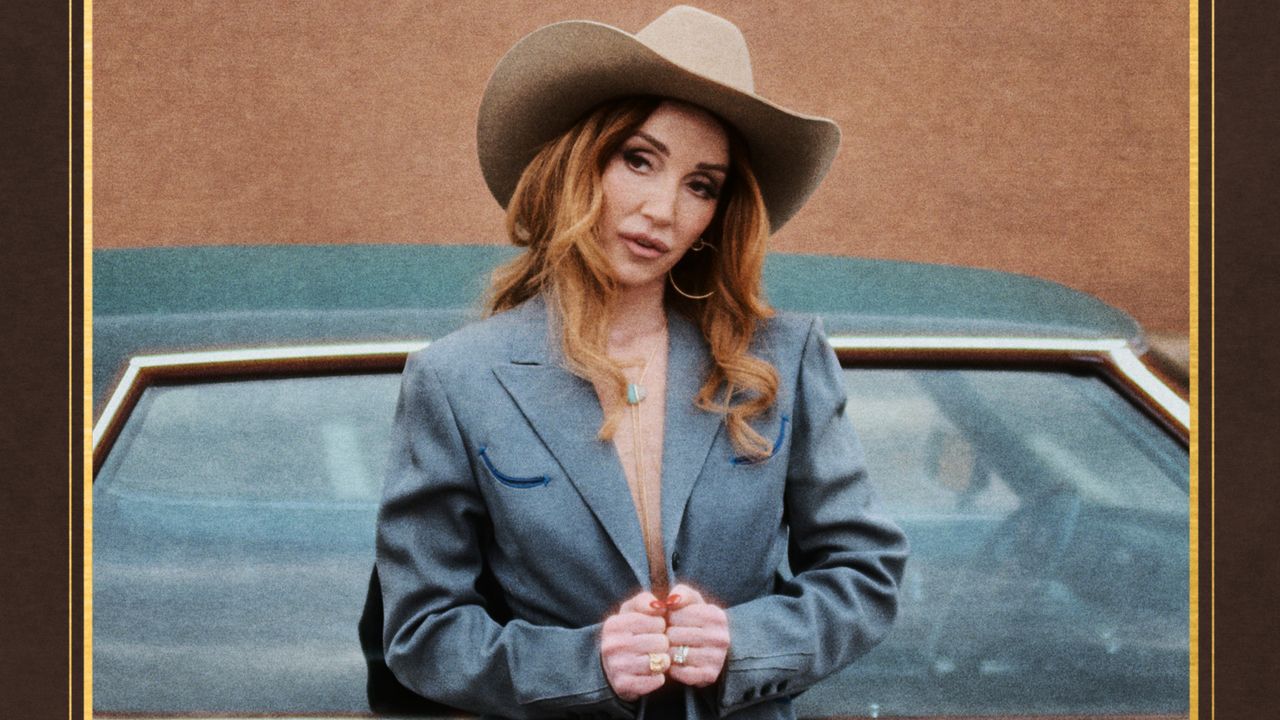
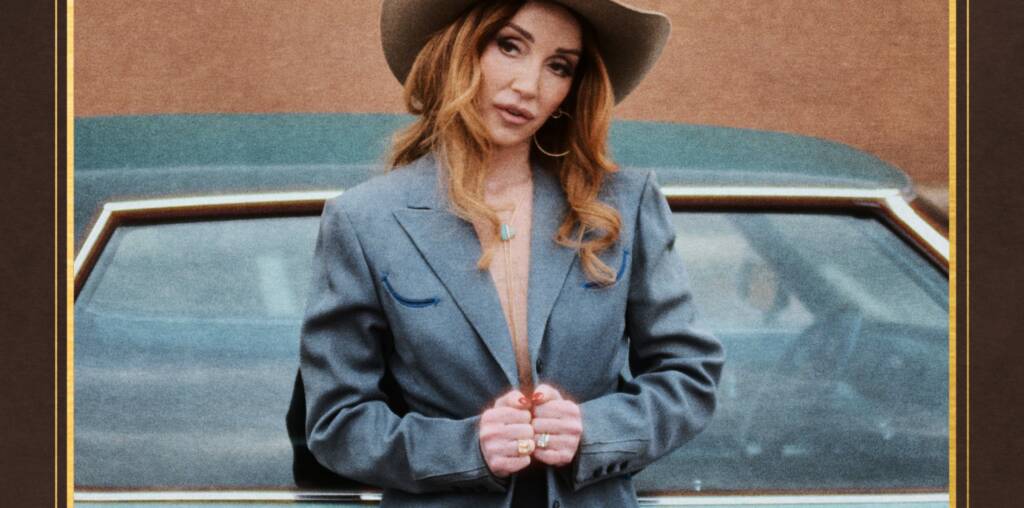
Two days before she surprise-released her new album, Ashley Monroe posted an open letter to the city she has called home for most of her life. In it, she recounts notable moments in her impressive career: moving to Nashville after her father died, signing record deals, getting dropped by labels, releasing six solo albums and four with the Pistol Annies, co-writing two No. 1 country hits, and earning three Grammy nominations. This long list of accomplishments doesn’t even mention her work with the Raconteurs, her co-writes with Guy fuckin’ Clark, or that one of her records (2013’s Like a Rose) is a stone-cold classic of 2010s insurgent country. All her successes, however, mean next to nothing in Nashville: “I still feel underestimated, let down, taken for granted,” she writes, before concluding, “To my beautiful Nashville, I wish you loved me as much as I love you.”
It’s a love/hate relationship: Dear Nashville opens with a song called “I Hate Nashville,” a sentiment that’s relatable to anyone who’s ever tried to navigate the throngs of tourists outside the celebrity-branded bars on Lower Broadway or experienced the hellscape that is I-65. Monroe alludes to her professional setbacks, but she sings like it’s a devastating breakup song. And in a way, it is. Nashville is an emotionally manipulative lover: never faithful, never loyal, barely calls, and always, always deflects blame. “I hate Nashville and its stupid neon lights,” Monroe sings. “You give and break and it just takes the best years of your life.” Airing your frustrations with the music biz can be tricky: Most listeners can’t relate to industry woes the way they can relate to broken hearts, faded love, and dearly departed family (and those who can relate—like the label execs and radio programmers she’s singing about—may not ever hear these songs).
No score yet, be the first to add.
But Dear Nashville succeeds because Monroe’s songs are rueful rather than bitter, determined and occasionally defiant but never defeated. Wisely, she distinguishes between the city itself and the art made there: “Country music is the reason I’m alive,” she declares, and she holds that long u in “music” as though she’s swooning over the thought of her favorite songs and her favorite players. She shouts out Vince Gill (who co-produced Like a Rose and produced her 2015 album The Blade) along with her pedal steel player, Paul Franklin, a legend who’s played for everybody of note in Nashville and some people of no note. When she says she loves country music, she means the people and the sounds they make. Her obsessions have made her an effective co-writer who loves words for their vowels and consonants and a good producer who loves the physical reverberations of old guitars. Last year’s Tennessee Lightning was her most ambitious project to date: a double album full of solid songs and unexpected musical settings that expanded her vision of how country might sound and what it might convey.
By contrast, Dear Nashville sounds aggressively modest. It’s only eight songs, and it was written and recorded quickly, with Monroe and Luke Laird co-writing, co-producing, and playing almost all the instruments themselves. Together, they create a dreamy, pillowy sound that draws from ’70s soft rock and low-key 2000s indie pop as well as the old-school country she loves so much. The sound is spare and occasionally restrictive, but it ties this mini-album together as one thought, one impulse. Franklin is the only other person on the record, and Monroe sings to his weeping chords the way she would sing to a duet partner. His playing also contributes to the airiness of the album, the sense of weightlessness that has more in common with SUSS or Chuck Johnson than anybody on country radio.
Aside from “I Hate Nashville,” the songs on Dear Nashville address the city obliquely rather than directly. It’s a break-up album—a cycle of heartache, confusion, defiance, and recovery—that casts everything in human rather than industry terms. “Now we’re just wasted time and dead roses,” she sings on “Haunted,” and it’s a humdinger of a line: one of country’s primary concerns distilled down to eight simple words. On “Having It Bad” she promises she won’t stop until she blows your mind—“you” meaning Nashville, or perhaps an ex, but also “you” the listener. Monroe doesn’t want to give up and probably couldn’t if she tried, which means the album does not end on an especially triumphant note: “I can’t get enough,” she sings, like an addict or a gambler. “Why, if the high I’ve been chasing is out there waitin’?” Dear Nashville is not about settling a score or bitching about airplay or moaning about label politics. It’s more concerned with Monroe recalibrating her dreams and recalculating her self-worth in a city that can destroy both.