 Written by
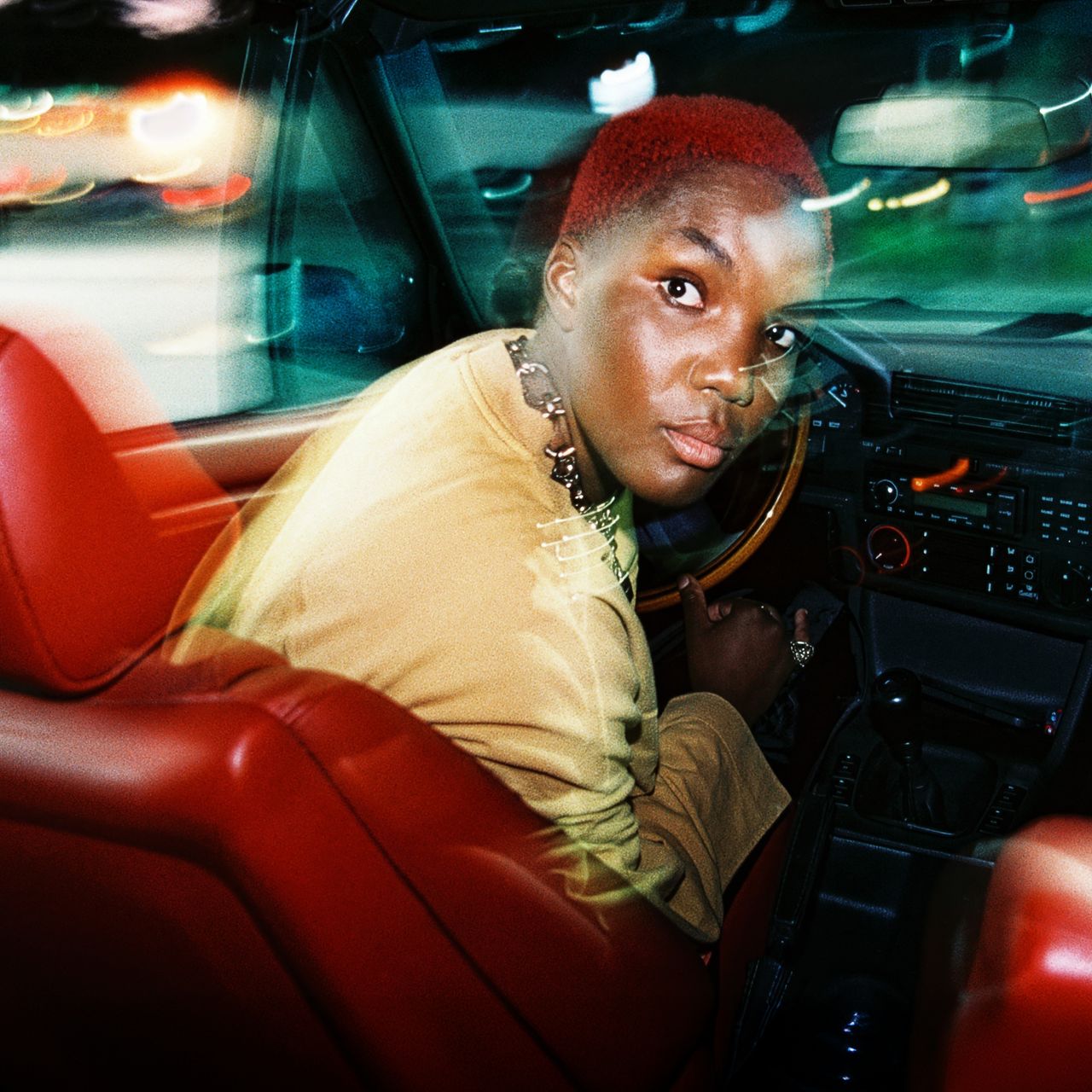
 Ambiguous Desire feels like a deep conversation in the overwhelming throng of the dancefloor: It’s both intimate and expansive; finding pockets of stillness in the chaos. On her third album, Arlo Parks chases a high against a backdrop of shapeshifting drums: skittering breakbeats, jazzy shuffles, and ghostly, Burial-lite 2-step. The alternately gloomy and euphoric pop songs cut and paste snippets of UK pirate radio culture and New York’s Paradise Garage. These echoes of dance music’s past inject new life into the 25-year-old British artist’s soft-spoken oeuvre.
Parks wrote the album during a period spent club-hopping in Brooklyn and Queens—she cites Nowadays and BASEMENT as favorites—and she describes this time as something of a delayed adolescence. Parks rose to fame in her teens, winning the Mercury Prize for her 2021 debut album Collapsed in Sunbeams, a diaristic clutch of pleasant soft-rock songs. Her follow-up, My Soft Machine, arrived in 2023, and, as she told the Guardian, touring and promoting back-to-back records didn’t leave her “much space in between to just be.” The latter record contained whispers of dub and boom-bap, but it was only after downing tools at the end of her tour in late 2024 that Parks immersed herself in the city’s nightlife, leading to a full-bodied embrace of house, garage, and techno.
No score yet, be the first to add.
Crafted with Brockhampton producer Baird in his New York City loft, Ambiguous Desire embraces the tension and release of dance music. One standout is “Jetta,” which begins with a hazy, morning-after glow and gradually builds to a stomping 4/4 beat suggestive of chasing your hangover with a second night out. The most satisfying drop occurs in “Heaven,” the muscular lead single that Parks has described as being inspired by an ecstatic memory of dancing at Under the K Bridge: The gentle, swaying chorus, depicting concrete and summer breezes, is followed by a head-rush of bass and glistening, disembodied piano.
Parks is a poet, and while sometimes florid in the past, here she’s incisive, her lyrics sharpened by a pop sensibility. Over the reverb-drenched production of “Beams,” she’s at her most bruised and open-hearted as she recounts a breakup via a particularly sticky hook. The song opens on a clearly sketched scene: Parks sits on steps in the dawn light when she shares with her companion that she “was suicidal in Brazil,” the kind of candor that only those 5 a.m. comedown chats can offer. (In 2022, Parks cancelled a series of shows citing the effects of touring on her mental health.) The line is more powerful for its sober, clear-eyed directness. Another melancholic highlight is “Senses,” a sumptuous duet with Sampha, where the two feather-textured vocalists exchange bars that excavate their own coping mechanisms and seek a way out of self-hatred (“Hid myself in art and women/Needed things to reach towards,” she reflects; “Clarity lies in the direction of pain,” he replies). These poignant moments most clearly show Parks’ growth: The hooks are cleaner, the imagery more sparing, the sentiment delivered with a lighter touch.
Her songs are often populated by peripheral characters, although as she’s become more famous, the effect is like a Dazed version of Where’s Waldo, with cameos from Kelly Lee Owens and photographer Harley Weir. Over the carefree electronica of “2SIDED,” her friend Joey sips beer and guards his decks; on the breakbeat-driven “Get Go,” Marie stands barefoot on the edge of the dancefloor holding her heels in her hand. But where these flashes of specificity offer glimpses of her world, Parks herself remains elusive: On highlight “Nightswimming,” she sings, “I got this desire in me.” Her craving is palpable in the production: The song swells and pulsates, all bass and dilating synths. But the actual object of her desire feels foggy—like something you half-remember from the night before.
Despite the messiness of her subject matter, Parks can sound very studied. Lyrics about clubbers throwing up and places that smell of “chips and gin” are offset by classically structured, midtempo pop music on “Blue Disco.” Parks is known for paying homage to her forebears, and so Ambiguous Desire is also the result of extensive research into The Loft, Studio 54, and the history of raving. While the record delivers on joyful bass drops and club life vignettes, it occasionally leaves you longing for just a bit more unchoreographed chaos. Some of the highest highs in club-influenced pop music happen when artists lean into the energy of the night—like Kelela scat-singing over techno, or Robyn firing off a stream-of-consciousness monologue. Parks is less silly and more careful; though she borrows textures and rhythms of dance, you never see the sweat.
While she may not completely embody the highs of a night out, she shines in the subtler moments. On “Floette,” the downbeat album closer, her lovestruck hums are injected with adrenaline in the form of spacious, breathy drums. The ebb and flow sounds like rustling leaves or trickling water, somehow both earthly and hyperreal. It’s Parks at her best, when she’s going with the flow.