 Written by
 Whatever else hyperpop was—rambunctious, pleasure-forward, sonically inventive in tech and tempo, buzzy in all senses—it was never earnest. Danny L Harle and the rest of the PC Music org folded post-electroclash, Adbusters-style culture jamming with 4chan-y shitpost nihilism to a gabba beat. Clenched with irony, hyperpop chomped its bubblegum until the bubble burst. Behind production boards, its agents worked with geniuses like Charli XCX to remake pop in her own image. But in their own work, they went hyperprog. SOPHIE released a sprawling double album of shapeshifting anthems and transgenre experiments, followed by a posthumous one that largely failed to realize even loftier socio-political-rave ambitions. A.G. Cook and Arca released triple–plus albums accessorized by coding, fashion collabs, video art, re-dos. Anything, it sometimes felt like, instead of being vulnerable enough to risk failing at making something someone might truly, deeply love.
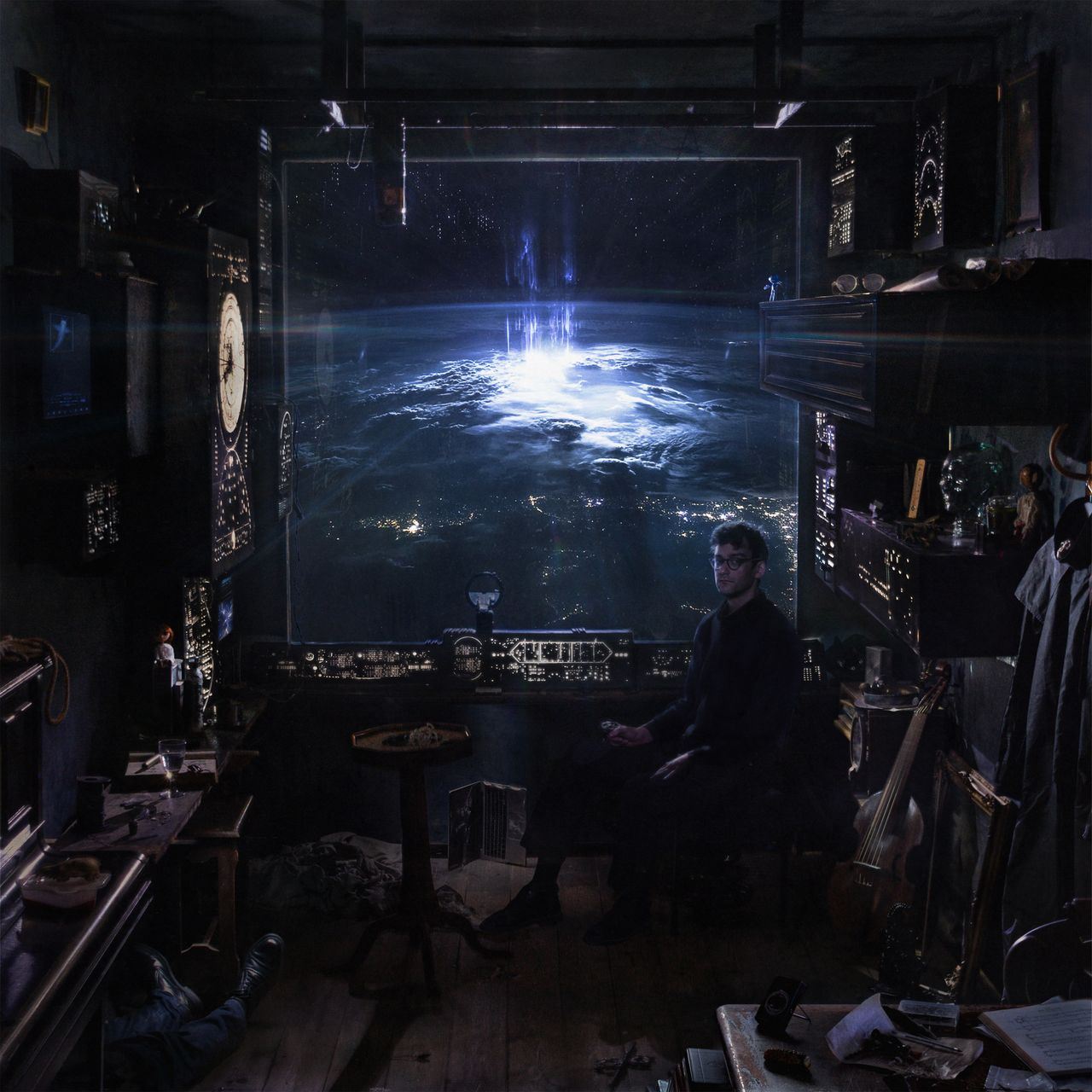
Harle now asks us to consider a new work, Cerulean, his debut album, despite the existence of a first album from 2021. Which, fine, what even is time anymore. He’s positioning it not as a bunch of songs but as a serious work of art, and not so much mainstream as Monteverdi, that operatic late Renaissance composer who was pilloried for relying on a body of dissonant harmonies. OK, a medieval harpsichord has the same keyboard and can produce the same melodies as the Logic one on your laptop. But it’s been half a century since Switched-On Bach. European tuning producing Eurotrance isn’t, compositionally, a bolt out of the blue. For a muse, Harle picks the most ancient one, the ocean, or maybe the second most ancient one, heartbreak; anyway, the one whose watery depths has been the source for powerful work by everyone from Kate Bush to SZA. That alarm you might be hearing is the siren song of prog ambition, all muso bona fides and little fun.
No score yet, be the first to add.
Indeed. Cerluean is anchored by a pair of instrumentals so pompous they might be camp. “Noctilucence,” named for bioluminescence after dark, is a murky combination of beachy field recordings and crashing synthetic noise. Sound waves, ocean waves, what’s the difference? “Teardrop in the Ocean” is silly like Hans Zimmer, a series of drippy crescendos that, like the title, don’t add up to much. At the heart of the album is a quartet of waterlogged compositions in which language fails the singer and melodies just sort of float by. Trance track “Island (da da da)” swaps an arpeggiator for an accordion, and sounds just like that. “Te Re Re” takes its name from the sound of finishing a yerba mate, and its sound from vocalist kacha’s churchy choral arrangements, late ’90s progressive house, and the plonky “world music” that seems to arrive any time a video game is set in a jungle village. For all that, there’s not much to grab the ear. “Laa” makes a cocktail of all of the above. And let “O Now I Am Truly Lost,” with its alienated computer blooze, be the final ripples of Imogen Heap’s “Hide and Seek”; that song’s uncanny valley is drained.
Some of the singles are wonderful. In “Starlight,” the great PinkPantheress has something to say about the paranoia of vulnerability, and Harle doesn’t get in her way, even as he shows off how well he can program hardcore techno, Y2K pop, and digital sizzle. Here is the great promise of prog, the ability to do everything and the chops to choose what of that everything to do when. Julia Michaels froths up hooks from the kind of babbling that sinks the album’s middle for “Raft in the Sea,” her charisma buoying the song’s haughty timpani-and-filigree. And with her fearless poesy, Caroline Polachek fares best of all Harle’s features; in both “Azimuth” and “On and On,” she iterates a dancefloor diva more at home at Camelot than, say, either the Paradise Garage or Pacha, and Harle really sounds like he’s having fun honoring her commitment to the bit.
Other vocals fail to emulsify. Dua Lipa, never at her best when she belts, tries so hard for Robyn’s grit and grace on “Two Hearts,” and Harle even grafts it to a decent bit of Body Talk-ish icy hot electro, but the result just makes you understand Robyn’s degree of difficulty. “Crystalize My Tears” pushes MNEK’s molten vocal runs so far into the red they seem to pixilate, while Oklou’s voice tries on every filter in the box, like a vision test that never clarifies into a point of view. It’s a bit of limp gospel house with neither spirit nor sex.
The most affecting moment of Cerulean is its most conversative, which is depressing: “Facing Away” cloaks Clairo in Björkian arrangements of sub-bass and strings. She laments for all of 75 seconds, and it’s beautiful, and also it’s like Harle just can’t take something so simple working so well. The depth of a singer with personality delivering a good hook needn’t be beneath him. Harle is talented enough to swim laps around artists like Addison Rae and Zara Larsson who are having so much fun in hyperpop’s wake. But right now he’s just treading water.