 Written by
 Nu metal was the biggest mainstream takeover in heavy metal history, but by the early 2000s, the genre’s shine was beginning to fade. Limp Bizkit lost Wes Borland and released the disastrous Results May Vary; Korn slid down the charts with Take A Look In The Mirror before also finding themselves down a beloved guitarist; and Deftones’ self-titled album was a commercial disappointment that cost $2.5 million to make. The writing was on the wall and something needed to be done.
In response, major record labels plundered the post-hardcore underground in search of the next big thing. Between 2001 and 2004, punk- and emo-influenced bands with almost nothing in common – My Chemical Romance, AFI, Thrice, Cave In, Glassjaw, Thursday, Poison The Well, Coheed And Cambria – were hurriedly plucked from the underground circuit and had commercial pressures thrust upon them. Only a small handful would become the cash cows that the suits hoped for, with the rest tumbling back to their underground scenes or even flat-out breaking up.
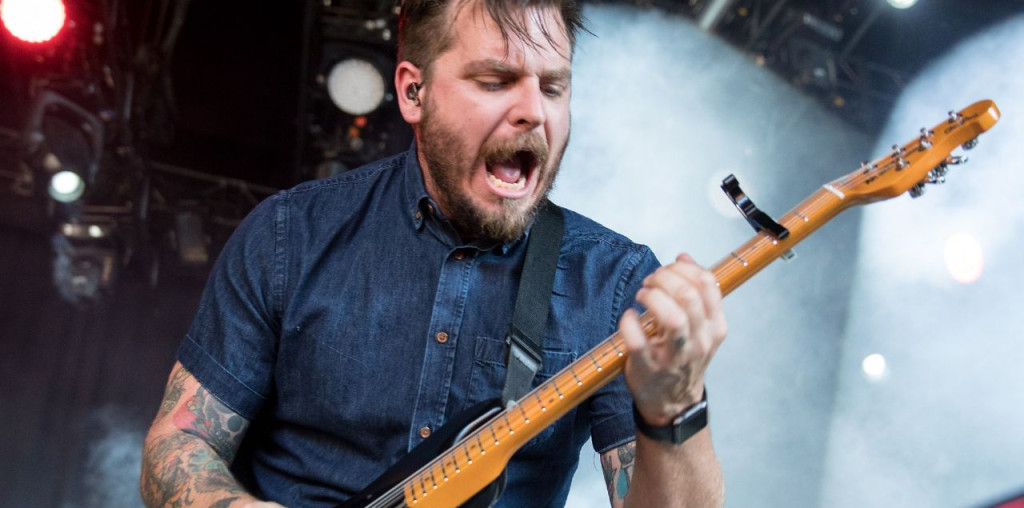
“There was this feeling of everything getting lumped together in ways that didn’t make any sense,” remembers Thrice singer/guitarist Dustin Kensrue, whose California band inked a deal with Universal’s Island Records in 2003. “Island signed Thursday too, and I think, in their heads, they went, ‘You guys both have TH at the start of your names and you play screamo, right?’ Nothing against Thursday, but they were a very different band to us. These were all different bands, but it was turning into this weird thing that the powers that be were trying to cash in on and have a name for.”
The label higher-ups may have been trying to force a lot of square pegs into one big, round hole, but there was precedent for their post-hardcore signing spree. In 2000, Glassjaw generated big buzz with their Roadrunner-released debut album, Everything You Ever Wanted To Know About Silence. The unlikely success of At The Drive-In, whose major-label effort Relationship Of Command topped the US Heatseekers chart shortly before they broke up, also indicated that a scrappier kind of music was on the rise.
“Everyone was trying to find the lightning in the bottle that was At The Drive-In at the time,” remembers Adam McGrath, guitarist for former RCA Records signees Cave In. “They were the hype and it seemed like they were the benchmark. They played on David Letterman [and people thought] ‘Oh my god! They made it!’ I don’t know if people were looking for the next At The Drive-In, but they were trying to capture whatever that lightning in a bottle was, and trying to find it in the world that we came from.”
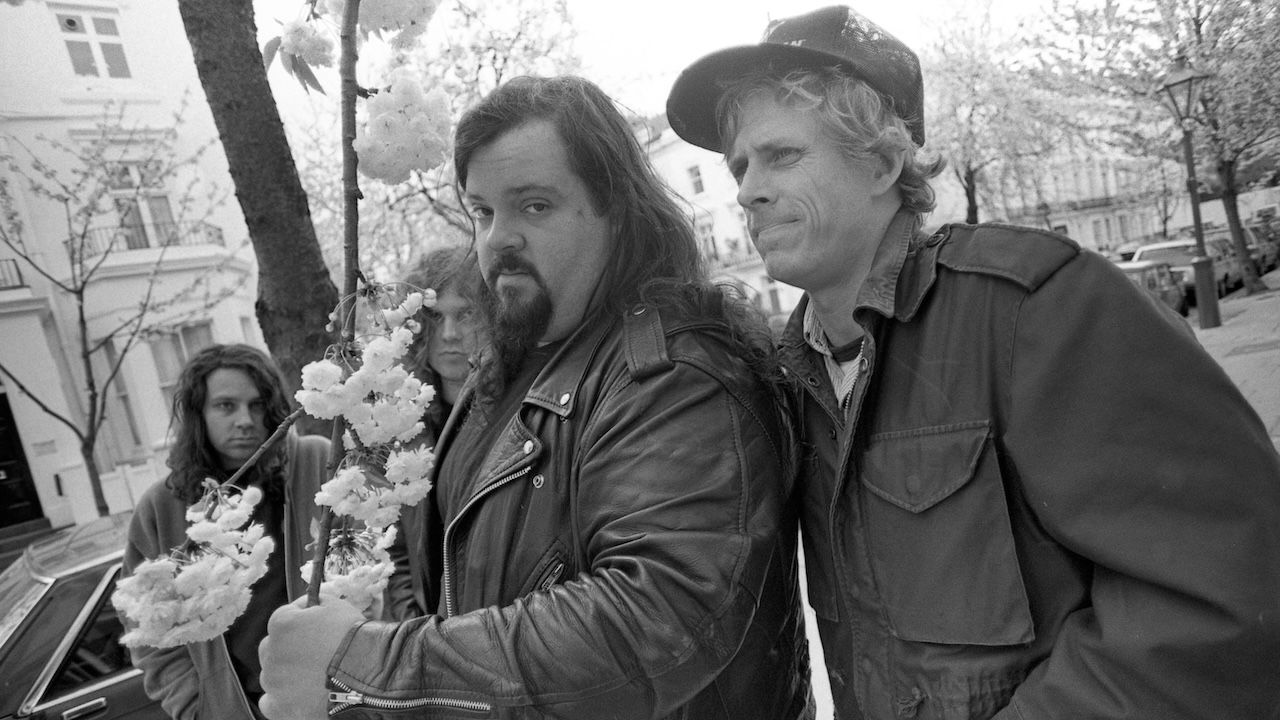
Originally a band from the same scene as Converge, Cave In signed to RCA in April 2001, after their album Jupiter saw them transition from their metalcore roots to post-grungey space rock. They’d been heavily courted by the majors, with one representative taking them to their local comic book shop and offering to buy them whatever they wanted. “It was like stuff you see in the movies: ‘If you come with me, this time next year, you’ll all be driving Corvettes,’” Adam remembers.
The band eventually went with RCA because the label promised they could put them on a tour package with superstar signees Foo Fighters. “We were all Nirvana fans and Foo Fighters fans,” Adam explains. “Bruce Flohr [RCA’s then-Senior Vice President of A&R] brought Dave Grohl to see us play, and Dave was very nice to us. Being on the same path as them, in the same arenas, was appealing.”
Many others followed in Cave In’s footsteps. In January 2002, Glassjaw announced their signing to Warner Bros. AFI, already a horror-punk institution on the West Coast, joined the DreamWorks roster that same year. Thursday went to Island in May ’02, followed by Thrice. Reprise Records (now-home to Green Day, Stevie Nicks, Neil Young and others) picked up My Chemical Romance in ’03.
For Thrice, the appeal of signing to a major was stepping back from the “craziness” of looking after themselves on the underground circuit and being able to focus on just writing good music.
“We were looking further ahead,” Dustin explains, “but not at, ‘Is this going to make us part of some big thing?’ It was, ‘Is this going to set us up to do us?’”
Things started well, with Island agreeing to honour the band’s terms of donating a portion of proceeds from their music to charity. Cave In were initially sitting pretty, as well. RCA quickly honoured their commitment to put them on a package with Foo Fighters, making them a support act on the Seattle band’s One By One European tour in late 2002.
“When we were in Ireland, Dave Grohl came to our dressing room and was like, ‘I have a private jet. Do you want to ride it back to England?’” Adam says. “It was like Elvis Presley shit! We all got into white, unmarked cars and drove onto the runway. The next day, we were hungover and partied out. A gentleman on the plane home asked, ‘Where were you last night?!’, and Caleb [Scofield, bass] was like, ‘If I told you, you wouldn’t believe me.’”
But, when it came time to record new music, the weight of expectation was sudden and intense. Thrice had to rush the recording of their major-label debut, The Artist In The Ambulance, so that they could make it onto 2003’s Warped Tour lineup. Nonetheless, it was acclaimed when it came out, with critics praising its catchy tunes, genre hybridity and technical skill. One journalist even said that the band were doing for hardcore’s guitar-playing what Iron Maiden had done for metal’s. It only reached 16 on the American charts, though, after which industry support practically disappeared.
“KROQ was the first big radio station to play [lead single] All That’s Left,” Dustin remembers. “We were going to put out the title track as a single next, and they were like, ‘We don’t think that’s the song.’ If you look at streaming, that song is enormously more popular than anything else on that record. Even my wife was like, ‘Artist… is the song,’ but I was like, ‘How do I say no to that station?’ Who knew they were gonna bail on us anyway?”
Cave In’s only major-label album, Antenna, came out the same year and fared similarly. Despite rave reviews, it limped its way to a meagre 169 on the Billboard 200 in March. The single Anchor hit the airwaves in May, then any backing seemed to be pulled.
“Anchor didn’t do anything, and that was it,” Adam shrugs. “It was like, abandon ship! Even our A&R guy, who gave you this idea that he’s with you till the end, the day the record came out, he disappeared. He left the label to go work somewhere else.”
While Cave In’s A&R jumped ship, Thrice’s was the only label staffer who stayed. In 2004, Island got a new CEO in R&B mogul L.A. Reid, and when Thrice started putting together their second and last album for the label, Vheissu, it became apparent that he knew nothing about rock.
“He had this crazy, decked-out office with these huge, white speakers,” says Dustin. “He was definitely trying to connect with the band, but when he threw on [downtempo ballad] Atlantic, he was like, ‘Yeah! This is a hit!’ We were like, ‘In no way is this song ever going to be a hit.’”
Thrice stuck with Island for the release of Vheissu, but the band parted ways with the label shortly after starting work on their next release, The Alchemy Index. Split across four EPs with hardcore, Americana and trip-hop songs, it was pretty much the least commercially viable project they could have attempted. Plus, almost everyone who was at Island when they signed just three years prior had now gone.
Cave In got fed up even quicker. Punk rock rebels at heart, they added a bunch of their old, rowdy hardcore songs to their setlists in 2004. The new album that were writing was starting to sound similarly ferocious, as well.
“RCA didn’t like any of the shit we were doing,” Adam says matter-of-factly, “and also, at the time, a lot of the bands that were signed that we’ve been talking about – At The Drive-In, Cave In – they weren’t sticking.”
Cave In and Thrice both proudly landed back in the underground, signing to indie labels Hydra Head and Vagrant respectively. And it was the same story with almost everyone else. Glassjaw released one album via Warners then went on hiatus for half a decade. Thursday had a top-10 hit record in 2003’s War All The Time, but after 2006 follow-up A City By The Light Divided disappointed at number 20, they were gone from Island, too. Poison The Well’s one Atlantic album, You Come Before You, barely hit the top 100. A new North American takeover this most definitely had not been.
The rare bands that flew, though, fucking flew. AFI morphed into decade-defining emo stars, filling floors with the songs Miss Murder and Girl’s Not Grey. Coheed And Cambria became unlikely metal figureheads after their Tool-meets-Led-Zeppelin anthem Welcome Home dominated MTV. And My Chemical Romance… well, everyone knows about them.
“There was a point where My Chem were opening shows that we were playing,” Dustin reflects. “Quite quickly, they weren’t anymore. We opened for them in Canada, and we played a bunch of World Of Warcraft with them. Gerard Way made us all tour passes with our characters on them. I had to quit because it was just taking over my brain.”
Even though things didn’t work out, neither Dustin nor Adam regret their major-label days. Thrice have secured a reputation as one of the most consistently excellent cult bands in the United States, having followed their own muse for more than two decades now. Meanwhile, the members of Cave In have a back-catalogue treasured by fans, Antenna very much included, and still get to tour the world.
“The most important to me, coming out of all that, is that our band stayed together,” says Adam. “Would it have been nice to make money off the band and live off of it for however many years? Absolutely, but it didn’t happen and I can’t beat myself up over it. It was a really cool, valid attempt, and I had a blast doing it.”