 Written by
You can trust Louder
Our experienced team has worked for some of the biggest brands in music. From testing headphones to reviewing albums, our experts aim to create reviews you can trust. Find out more about how we review.
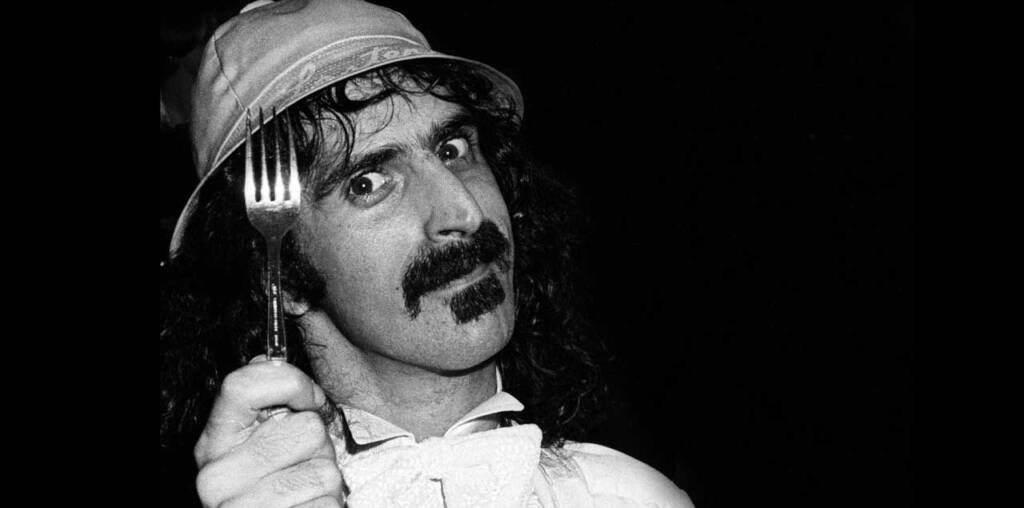
1976 was a tumultuous year for Frank Zappa, as he fired longtime manager Herb Cohen and his ensemble was reduced to just himself and drummer Terry Bozzio. Zoot Allures was recorded for Warners, who asked him to slim down his original double album, titled Night Of The Iron Sausage (released in full here), to a single. The Mothers Of Invention moniker was dropped: Zappa was, in essence, always a solo artist, his musicians instruments of his will.
Zappa plays guitar and keyboards throughout, with guest faithfuls including Ruth and Ian Underwood making fleeting appearances. Zoot Allures is a powerful demonstration of his dexterity and stylistic range. Wind Up Workin’ In A Gas Station could pass for proto-punk were it not for the mandatory guitar solo and Davey Moiré’s munchkin vocals.
Black Napkins is a multi-spired edifice of guitar virtuosity, while The Torture Never Stops – dank, dripping, punctuated with screams and featuring a midget with a bucket to mop the blood into – is eerily dystopian jazz rock. Find Her Finer sees Zappa, the seasoned lech, deliver pick-up tips as “Donny Vliet” (Captain Beefheart) supplies discreet harmonica. The title track shows the beauty that Zappa and his ensemble were effortlessly capable of, proceeding like some wandering cousin of Fleetwood Mac‘s Albatross.
Only the condescending, supercilious Disco Boy, a mutation of Nutbush City Limits, lets the side down. There are older versions of tracks like Disco Boy, improved a little by their roughness. There’s a live disc, which on Stink Foot and The Poodle Lecture captures Zappa’s ability to meld surreal, spoken-word comic narrative with a tightly scripted facsimile of free jazz.

Outtakes from the original double album, such as Filthy Habits, an oozing, multi-faceted instrumental, or The Ocean Is The Ultimate Solution, with Zappa going ape on acoustic guitar, are fine in themselves, but would have taken away from the focus of the single album.
Completists, meanwhile, will enjoy Hofstra Segment, material captured on Zappa’s tape recorder in a dressing room, and Son Of Canard Du Jour, an unreleased piece that would eventually become Outside Now on Joe’s Garage, featuring a new bass part.
A decent collection, and more than mere barrel scrapings.