 Written by
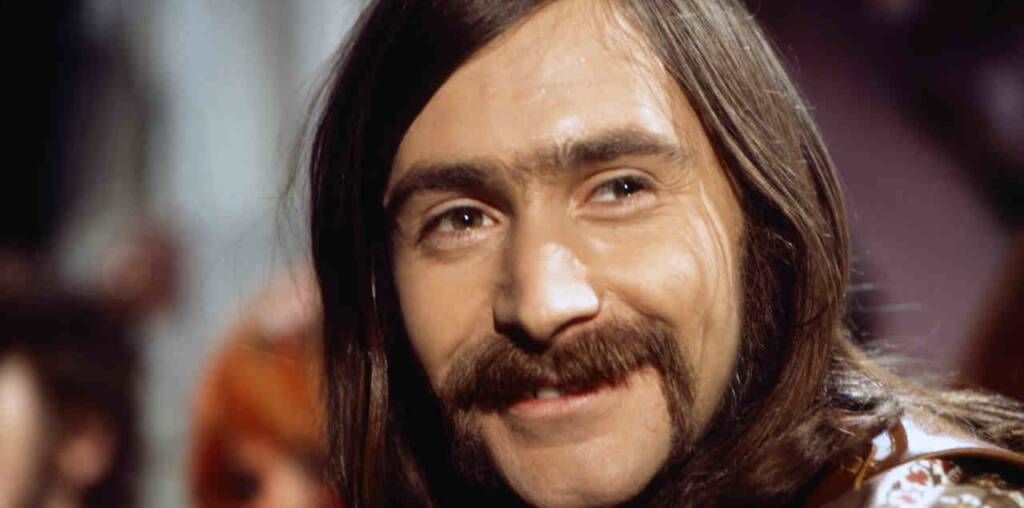
 Norman Greenbaum was working as a cook in Northern California in 1986 when he heard that a cover of his most famous song had gone to No.1 across the Atlantic. The track in question was Spirit In The Sky, and it wasn’t just Greenbaum’s biggest hit – it was his only hit.
“All of a sudden the record was covered by a group from England called Doctor and the Medics,” Greenbaum, told Rolling Stone in 2020. “And it became No.1 all over Europe. That was a big thing: It had gone from the back room of the one-hit wonders to all this interest in this song.”
Released at the very end of 1969, Greenbaum’s original was an exultant peace-and-love anthem powered by a one of the all-time great fuzz-riffs. Its pseudo-religious happy-clappiness caught the last blissful trails of the hippie era, rising to No.3 in the US Billboard charts and No.1 in the UK, and selling more than two million copies in the process. But within a couple of years, Greenbaum had turned his back on the music industry and disappeared into obscurity.
Latest Videos From Louder

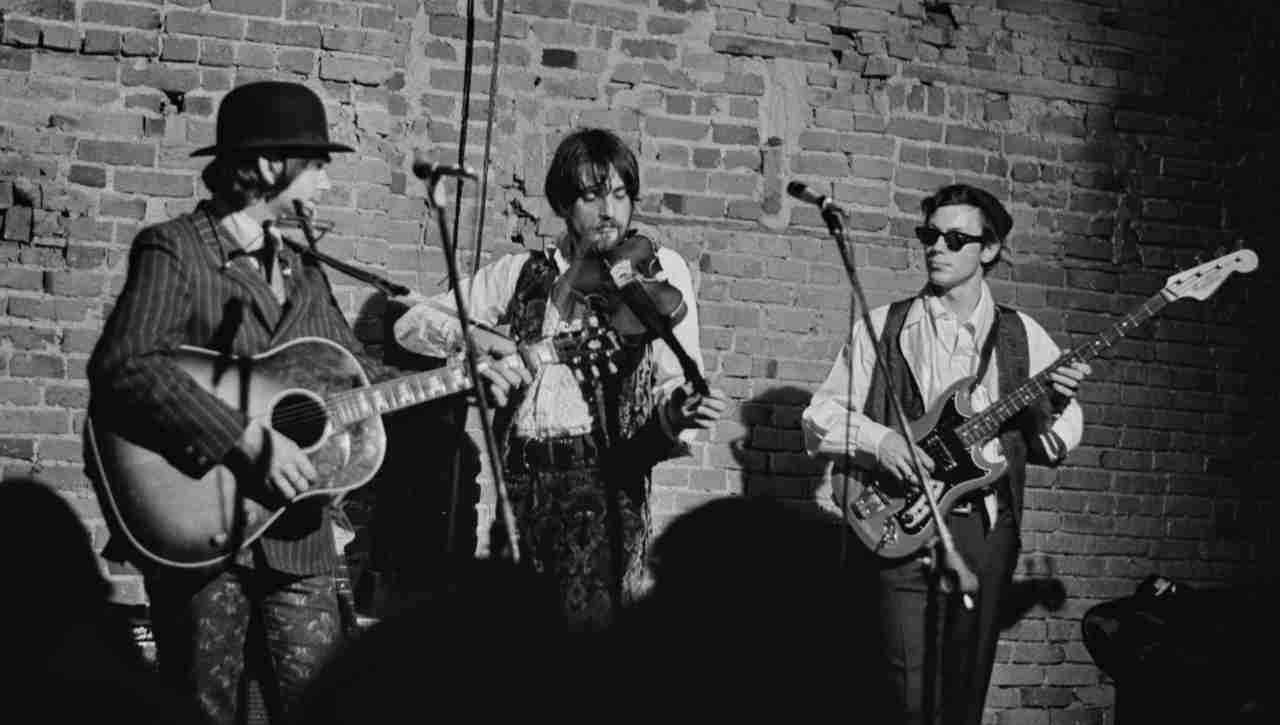
Norman Greenbaum earned his spurs as a coffeehouse folkie in his native Massachusetts in the early 60s, but drifted west to Los Angeles as the decade progressed. In California, he fronted psychedelic jug band Dr West’s Medicine Show And Junk Band (biggest hit: The Eggplant That Ate Chicago, No.52, December 1966) before going solo.
He’d had an old blues riff based in his back pocket since his days at college back in Boston, which would eventually form the basis of Spirit Of The Sky. “I played it a bunch of different ways,” Greenbaum told Guitar Player. “I knew it sounded like something, but I just didn’t know what to do with it. I didn’t have any lyrics, so I put it aside. It sat around for a while.”
Inspiration came when Greenbaum was watching country singer Porter Wagoner’s TV show. Wagoner’s performance of his recent gospel song, Pastor’s Absent On Vacation, sparked the idea of writing a set of religious lyrics for the half-finished song he was sitting on.
“Although I came from a semi-religious Jewish family, I wasn’t religious, but found myself writing Christian lyrics such as ‘When I die and they lay me to rest, I’m going to the place that’s the best’ and ‘Gotta have a friend in Jesus’. It came together very quickly,” Greenbaum told The Guardian.
He already had a title for his song. He’d seen a greeting card featuring an image of a group of Hopi Indians sitting around a fire. “They were looking up, and there were the words – ‘Spirit in the Sky,’” he told Guitar Player. “I thought, Let’s see if that becomes something.”
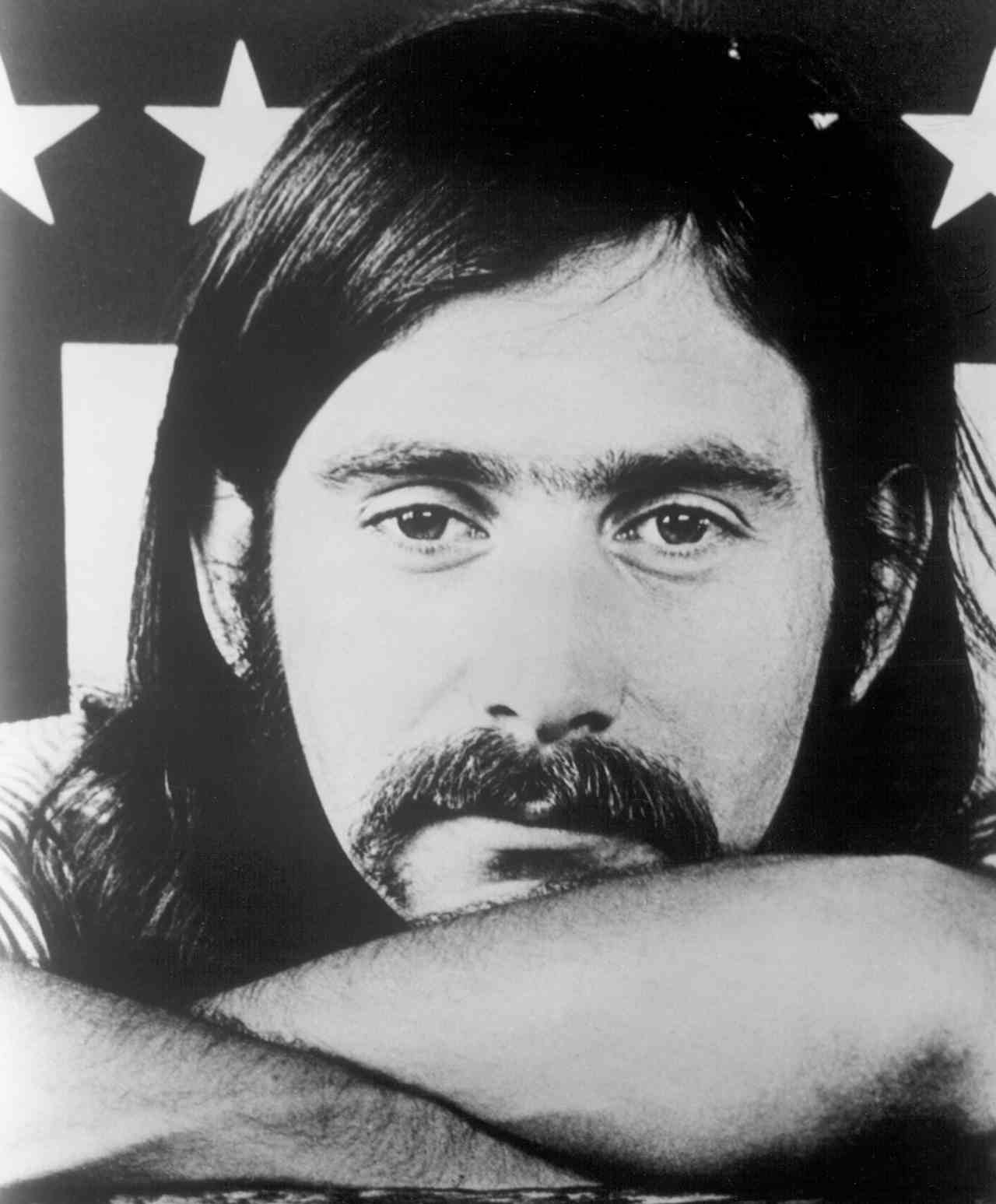
It was producer Erik Jacobsen who turbocharged the riff that Greenbaum had been noodling around with since Boston. Jacobsen, best known for his work with The Lovin’ Spoonful, had spotted the singer playing LA club The Troubadour and got him a deal with Reprise Records. He put Greenbaum in the studio with drummer Norman Mayell and bassist Doug Killmer.
I did take some flack by certain right wing believers that couldn’t believe me, from a Jewish background, would write such a song.
Norman Greenbaum
Initial takes of the song lacked punch, so Jacobsen suggested Greenbaum play the main riff through a Telecaster that one of the singer’s friends had modified with an internal fuzzbox. “I went, ‘Wow, now that’s something!’” Greenbaum told Guitar Player. “Once I heard that fuzz-tone riff, I knew it was a hit.”
Jacobsen brought in gospel trio the Stovall Singers to double up Greenbaum’s vocals and add jubilant hand claps. It was topped off with an electrifying solo courtesy of guitarist Russell DaShiell from the band Crowfoot. The resultant song was a truly fantastic creation – a secular hippie-boogie hymn that unwittingly became a link between Woodstock and glam rock.
Greenbaum’s debut album, also called Spirit In The Sky, was released in October 1969. The title track came out as a single in mid-December. Reprise were sceptical that it would be a success. “They said a four-minute single containing lyrics about Jesus would never get played on pop radio,” recalled Greenbaum.

Initially, it looked like they were right. Despite heavy play on local radio station KRLA it didn’t catch fire. But everything changed in the New Year. An exec at Warner Bros, Reprise’s parent label, told radio station directors that they’d received 20,000 orders for the single – not true, but enough for them to put it back on the playlist. Two weeks later, the song was everywhere.
It wasn’t well-received by everyone. Some Christian groups took umbrage at its lyrics, specifically the line: ‘I’ve never been a sinner, I’ve never sinned.’ No one, they reasoned, is born without sin.
“I did take some flack by certain ultra-religious, right wing believers that couldn’t believe me, from a Jewish background, would write such a song, was being blasphemous, or did it as a joke,” Greenbaum told American Songwriter.
This storm in a liturgical teacup didn’t impede its success. Spirit In The Sky became a hit on both sides of the Atlantic, while its parent album reached No.22 in the US. Even John Lennon praised the song. “I always liked simple rock and nothing else,” he said.
But if Greenbaum found writing a hit easy, following it up proved trickier. Successive singles Canned Ham and California Earthquake barely registered, and neither did follow-up albums Back Home (1970) and Petaluma (1972).
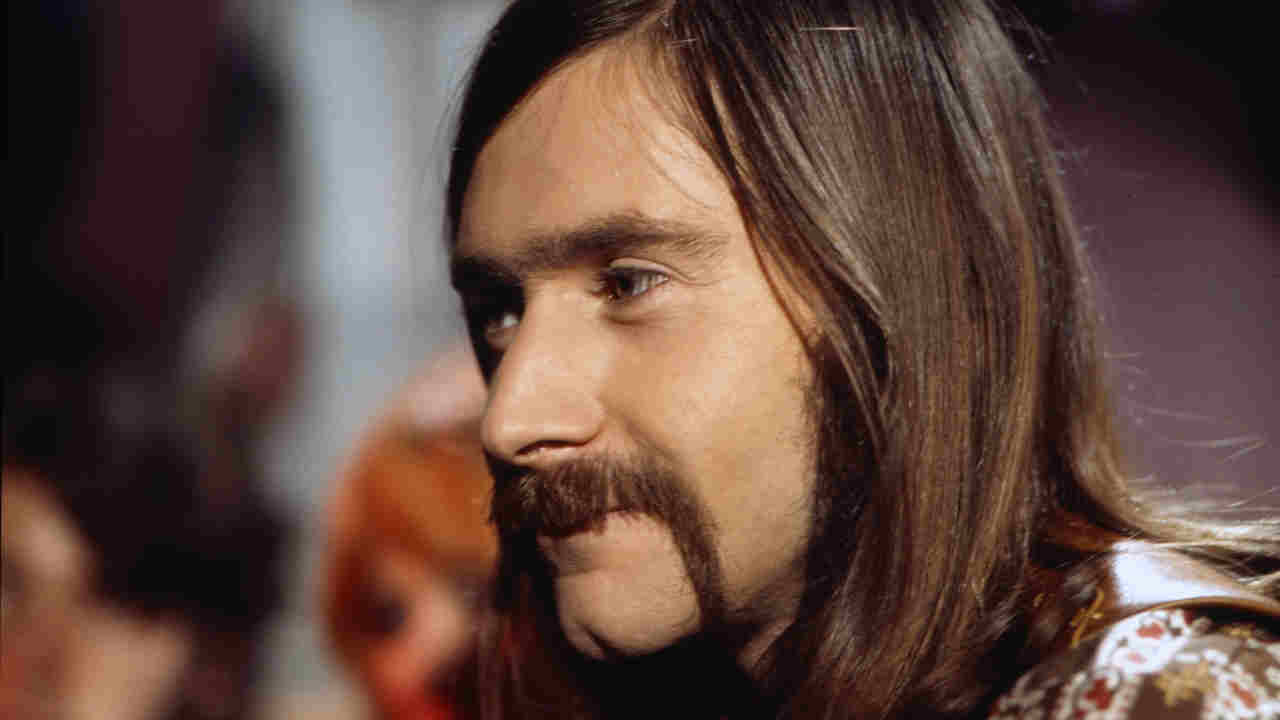
“I myself didn’t have a genre,” Greenbaum told Rolling Stone in 2020. “I didn’t fit into a particular niche of music. This was something that really came out of left field. I had recorded all these other songs, and we didn’t have anything that came close to the sound.”
Greenbaum had already drifted out of LA to Northern California by the time his music career “kind of fizzled out”. He eventually took a job at a friend’s café, and was still working as a cook when he heard that British psychedelic-glam rock revivalists Doctor And The Medics had reached No.1 in the UK in the summer of 1986 with a faithful if OTT version of Spirit In The Sky.
Ironically, Doctor And The Medics themselves would struggle to repeat its success, just like Greenbaum had 16 years earlier. But it didn’t matter – this semi-forgotten song had imprinted itself in the consciousness of a new generation.
Suddenly, Greenbaum’s one-hit-wonder began popping up in films, starting with 1987 comedy Maid To Order and subsequently in everything from Apollo 13 to Guardians Of The Galaxy. It soundtracked ads for Kellogg’s cereals and Nike sneakers, and became a popular choice as a send-off song at funerals, especially among Baby Boomers who remembered it from first time around. After gonzo journalist Hunter S Thompson died in 2005, his ashes were fired out of a cannon while Spirit In The Sky played.
Greenbaum had his own brush with death when was seriously injured in a car crash in 2015. He eased himself back into performing in the late 2010s, albeit on a local level. Inevitably, his biggest song was part of his set
“It’s recognisable from note one, and that’s a big accomplishment,” Greenbaum told American Songwriter. “People write to me, they’re hanging out at a karaoke or a bar, and they’re a having name that song contest, and people guess it in one note: ‘That’s Spirit In the Sky.’ It’s just a great sound, going from generation to generation.”