 Written by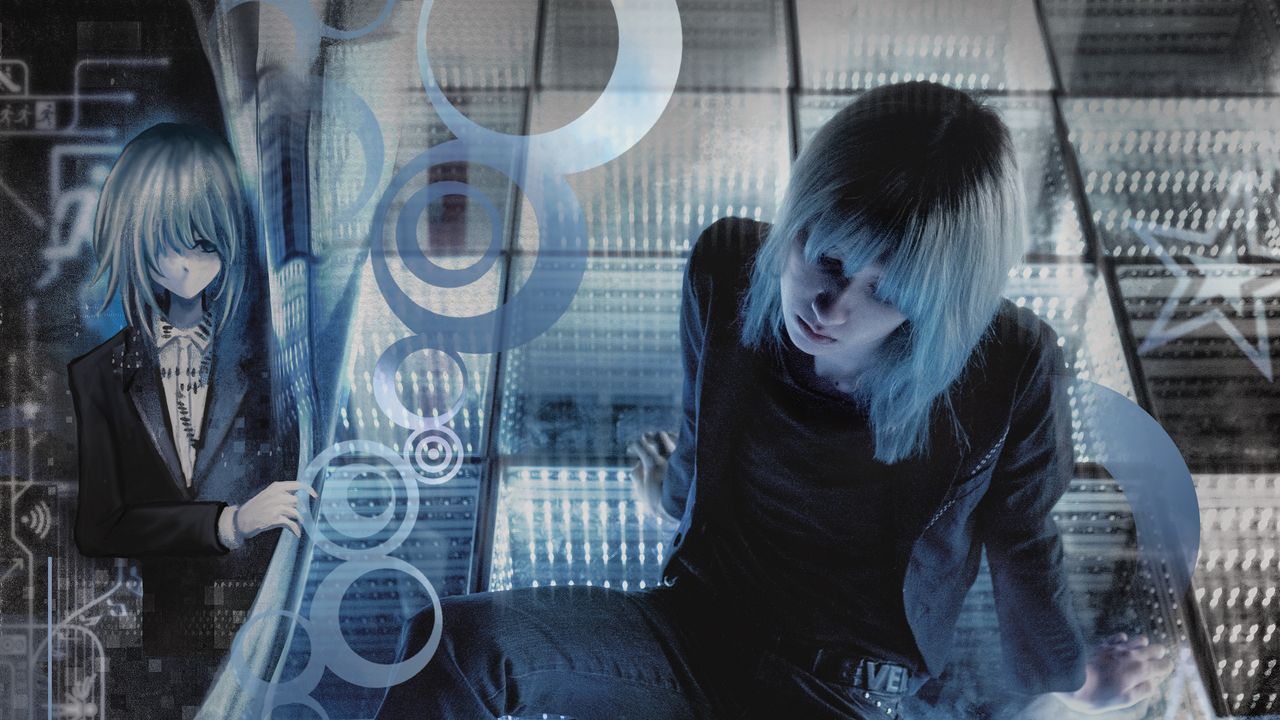
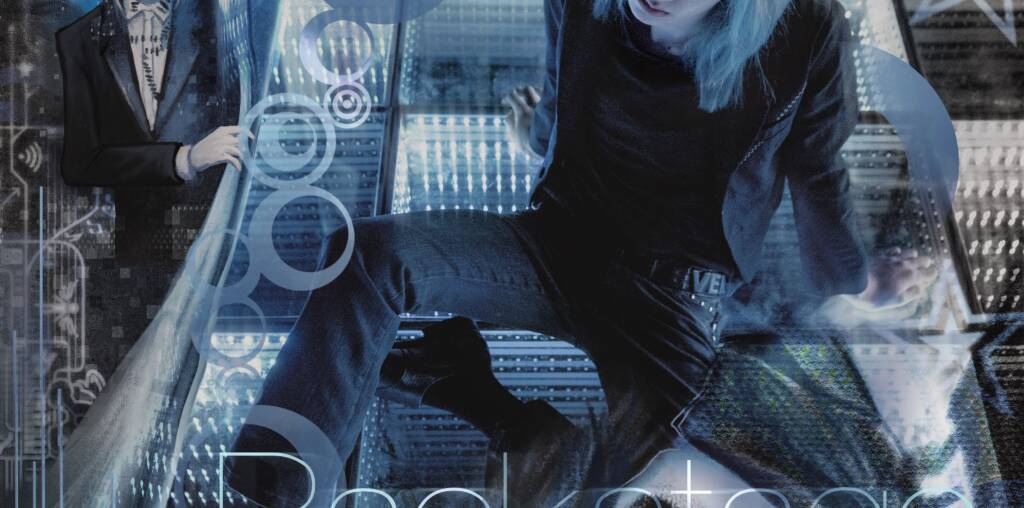
While many alumni of the post-COVID digicore boom have migrated from angsty, Drain Gang-inspired SoundCloud rap to grungier, sometimes guitar-based songcraft, 20-year-old rapper-producer kuru’s fixation on the cybernetic sound has only deepened with time. Alongside beatmakers like SJR and twentythree, they’ve helped establish the sound of the TooManyStrikers collective, one of the most prominent rap outfits in their native DMV area, backing the rambly street rap of Jaeychino and SlimeGetEm with glitched, IDM-adjacent synthesizers. If the sound of kuru’s latest solo album, Backstage hologram, is any indication, the influence goes both ways.
Re:Wired, their 2024 debut, established a distinct aesthetic palette modeled on Shin Megami Tensei graphics and the lost future of Y2K optimism, but the record was occasionally bogged down by its proggy ambition. It was still significantly more aligned with classic digicore than the shoegaze music that DeadAir labelmates Jane Remover and quannnic were dropping at the time, festooned with gossamer arpeggios and cochlea-tickling sfx; its detours into Sigur Rós-like orchestration and nu-breakcore landed more like forced signifiers of big-swinging aspiration than complementary additions to its uneasy cloud-rap dreamworld. On last year’s excellent Stay True Forever mixtape, kuru began to settle into a bar-centric pocket more aligned with the DMV emcees they’d been sending beat packs to: The beats hit with bassier force behind loose, off-the-cuff writing that occasionally ironed kuru’s yelpy hyperpop delivery into a more matter-of-fact tone. Relying less on flash and genre-bending resulted in a more confident, focused outing that established kuru as a fascinating liaison between “internet rap” and free car music.
No score yet, be the first to add.
Backstage hologram continues to sharpen the edges of kuru’s music, with punchier low end and brattier energy that occasionally resembles the moshpit-ready rage rap pushed by contemporaries like Prettifun and Nettspend. The record hits hard out of the gate, opening with a suite of kuru’s meanest-sounding tracks to date, establishing the artist as an unusually jaded 20-year-old who sounds older than their age, in the specific way the internet’s ceaseless discourse and rapid cultural production accelerates time. Against the cascading keys of “U Wld Never Do It,” kuru admits that they’re “too old for the Discord, I feel like a fossil,” and jokingly references a friend’s Italian Brainrot fixation with the weary bemusement of a parent humoring their child. Their vocals are less melodic than they’ve been in the past, deriving more emotion from burnout confessions and experiments with flow. The way they repeat “walk through, walk through, walk through” like a skipping CD at the tail end of the track recalls the moments of improvised brilliance sprinkled throughout Eternal Atake.
When kuru’s vocals get more monotone, Backstage hologram ornaments the toplines with gorgeous digital keyboard parts that reference the crusty, low-res soundtracks of Nintendo DS-era RPGs like Pokemon Diamond & Pearl. On “Pray for…” eerie chords arpeggiate wildly across fractured drum patterns; the bars are the one point of stability that all other elements orbit. It’s one of the more eccentric entries in kuru’s catalog, but it’s artistically and thematically grounded in the same phantasmal conflict between real life and online culture. “My bro on the keys and he playin’ this shit like a cutscene,” kuru raps on a verse full of flexes and snapshots of life on tour. Even while they’re sampling baked goods in foreign countries and sweating backstage, it all feels like simulacra, no more or less real than a created character or getting matching Madoka Magica profile pics with the bro.
This tension between reality and artifice brings out the best in kuru’s songwriting. A line like “My lil’ bro put Grand Blue on the Roku” might feel casual and tossed off, but it’s touchingly intimate: an acknowledgement of the way shared taste in niche media functions as a love language for artsy 20-somethings. The virtual underground subcultures that incubated kuru’s career are sprawling networks of appropriated avatars, screencaps, and in-jokes; here, they manifest IRL in profound, sometimes awkward ways. It’s subtler than Backstage hologram’s few clubby ventures in J-pop (“Like Glue”) and breakbeat (“Three worlds apart”), and it’s evidence of greater thoughtfulness underlying kuru’s impressive production chops.
Backstage hologram is a little top-heavy, loading the back with a scattered collection of experiments and collabs, but its lean, polished construction demonstrates that kuru is growing comfortably into a unique creative voice. It’s an honest depiction of coming-of-age, and the way that art and fandom can feel vital to a young adult’s self-image. As the album’s title suggests, the kuru we see here is half-avatar, half-human, but that’s the point: The character’s still being created.