 Written by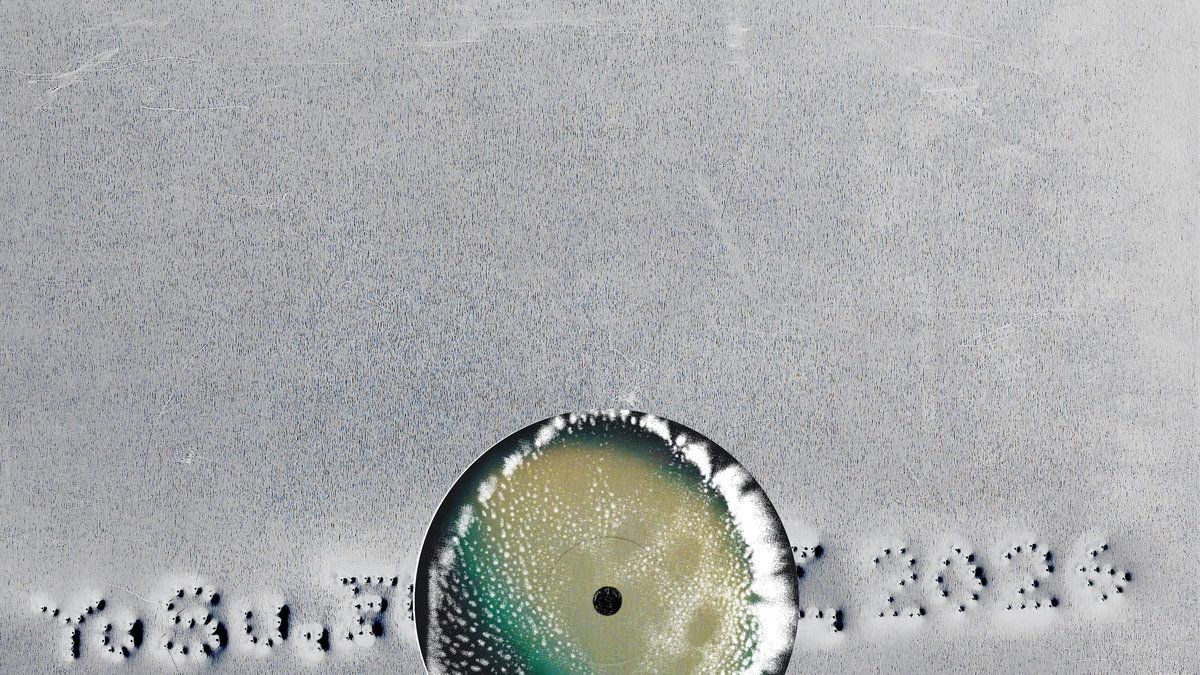
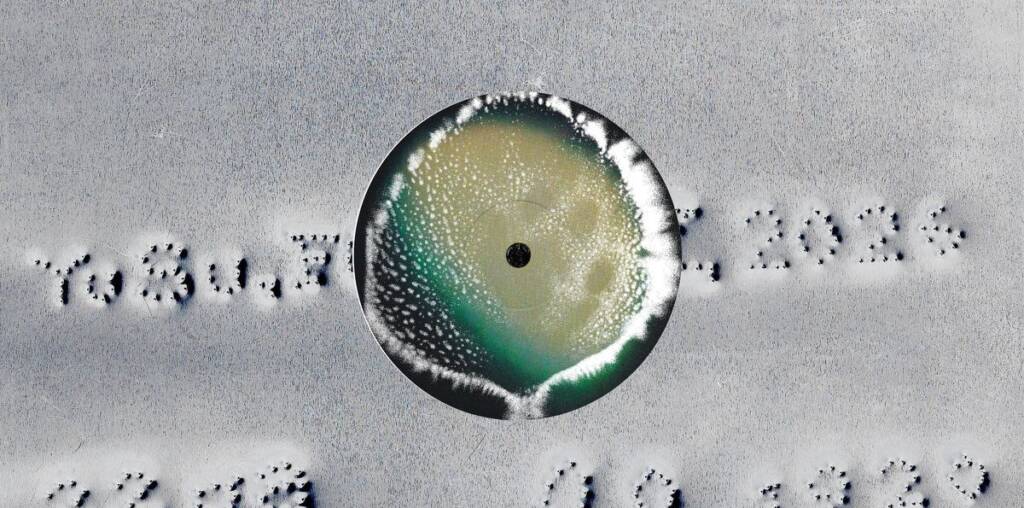
Yu Su’s spidery path across the globe has shaped her work at every step. First there was the humid downtempo she started making in the mid-2010s in Vancouver, inspired by the house music of that city’s legion of stoners and terminal chillers. As the fog lifted over the next few years, you could hear hints of her Chinese upbringing in tracks like “Little Birds, Moonbath,” with its shimmering textures and pentatonic melodies. Su’s debut album, Yellow River Fog, made the connection explicit, inspired by a tour across her home country playing the music she first discovered and developed in Canada. A breakthrough in popularity led to bigger rooms and bigger tunes, Ibiza gigs (and cooking residencies), and an eventual move to London; her DJ sets gradually took a slightly party-harder tack. That new direction in her music was underlined by “Foundry,” a tough, rowdy 2025 single on celebrated Sheffield dance-music label Short Span, which in a short time has established a signature sound at the peripheries of dub techno and ambient.
But “Foundry” isn’t tied to any one locale. Certainly not London, or Vancouver, or Kaifeng, or even Ibiza. Instead, like the title implies, it sounds like it was made from metal in a factory, as if whatever inspired it was pulverized and rebuilt into something novel and synthetic. And Foundry, the album, feels equally elemental, elegantly sculpted from human voice, strings, and synths. It belongs more to Short Span than to any place or time, and remains rooted in the spirit of dub techno: sometimes slamming, occasionally gentle, always rippling and looping back on itself. It’s beguilingly in between, the work of a wanderer whose billowy style is more a sonic signature than a genre.
No score yet, be the first to add.
Like a lot of records on Short Span, Foundry luxuriates in empty space, even when the music’s banging. The broken techno beat that bashes into opener “A Jewel” is all the more jarring for the song’s sputtering, low-key intro, featuring narration from ’80s Japanese cult pop act Dip in the Pool. Airy songs like “Ripe Fruits” and “Oi Cionn,” arranged around chiffon synths so delicate you can almost see through them, build on Su’s love of texture and atmosphere. But here the songs are crystal clear, with the clean surfaces and spick-and-spam gleam of a factory floor. And “Wanli”’s dubby bassline moves the earth beneath a clicky, noodly top end that sounds like Klaus Schulze if he recorded for Jan Jelinek’s label Faitiche.
Su’s compositions tend to meander and waver, more like the product of jam sessions than the grid on a computer screen, with melodies glitching, catching, and turning in unexpected directions. That’s what makes “Foundry” so dynamic—Su could have just made a barreling techno tune, but “Foundry” feels almost out of control, channeling its energy wherever it can. What might have been straightforward dub techno (“Cul De Sac”) comes off drunk and dizzy, calling back to old Aquarian Foundation records. The best moments are when you can actually imagine musicians playing in a room together. Seefeel, whose krauty drift has long seemed like an obvious influence on Su, appear on “One Place After Another,” bolstering her electronics with lazy strokes of guitar before another huge beat crash lands behind her softly-voiced dream pop incantations.
Like so much of Su’s music, Foundry moves past you like fog billowing into a room, occupying every nook and cranny. Except maybe on the title track, she’s not too concerned with dance music’s usual forward momentum, which can make the album a little hard to get a handle on if you’re not paying close attention, or listening to it loudly enough. (Like so much of the 2000s music it may be referencing, this is subtle music that works best at eardrum-rupturing volumes.) But it’s a painstakingly made record that rewards close listening. I keep going back to “Sunless,” the collaboration with Memotone, a British composer who also appears on Carrier’s similarly spartan masterpiece Rhythm Immortal. Memotone’s strings drape over acoustic-sounding percussion like Dali’s melting clocks, while Jon Hassell-style trumpets bleat the music of some long-lost civilization. It’s a miniature universe teeming with detail, something close to a signature sound—not quite Hassell’s “fourth world,” because that concept feels outdated now, but more placeless and evocative: spongily organic, electronic, and breathily human all at once.