 Written by
 You are now about to witness the strength of street knowledge, straight from the boulevards of West Belfast, the north of Ireland. NWA’s pistol-gripped provocations extracted only a letter of concern from the FBI, which the Comptonites predictably flouted with wild abandon. Kneecap’s exploits, meanwhile, have sparked condemnation from British Prime Minister Keir Starmer and saw member Mo Chara hauled in front of a judge on terrorism charges (a case that has since been thrown out of court). These are rare levels of infamy for rappers; the tag of “world’s most dangerous group” hasn’t felt so apt since the days of Eazy-E posing on the hood of his Chevy Impala.
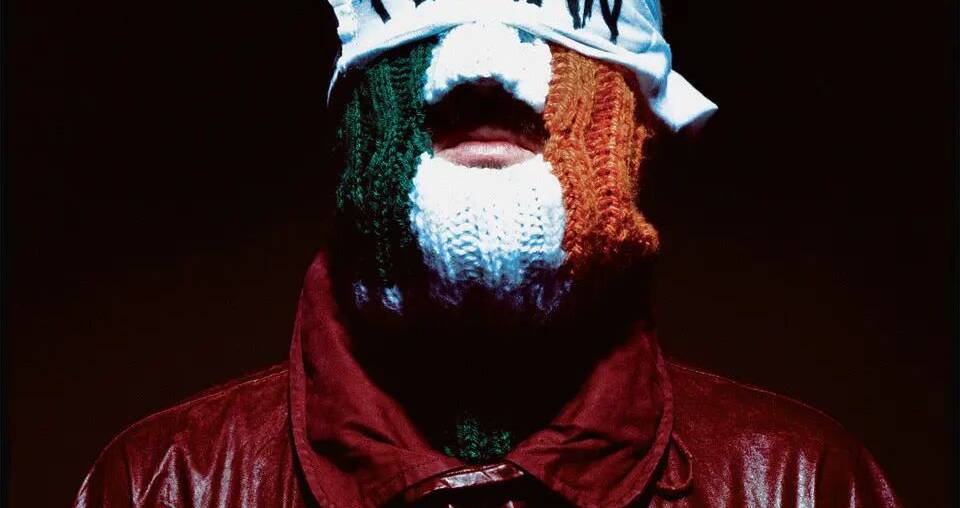
The NWA comparison is not arbitrary: Kneecap members Mo Chara, Móglaí Bap and DJ Próvaí have cited their gangster rap forebears as a critical influence on their role as righteous agitators. Since arriving on the scene almost a decade ago, the trio have presented themselves as firebrands, ready to stick it to an establishment seeking to strangle the last remnants of 20th century Irish republicanism. Kneecap didn’t pardon their Gaeilge. They distrusted the police, embraced the balaclava, and screamed “Brits out” at every opportunity. Frustrated politicians and outraged right-wing pundits who dismissed their work as shock tactics missed an inconvenient truth: Kneecap epitomize how republican sentiment can manifest in the post-Good Friday Agreement generation. Young people of their cohort prioritize Irish language rights and migrant rights, see a historic parallel between the oppression of Irish Catholics and Palestinians, and have a deep yearning to to bear witness to the end of British presence in the North and the reunification of Ireland.
No score yet, be the first to add.
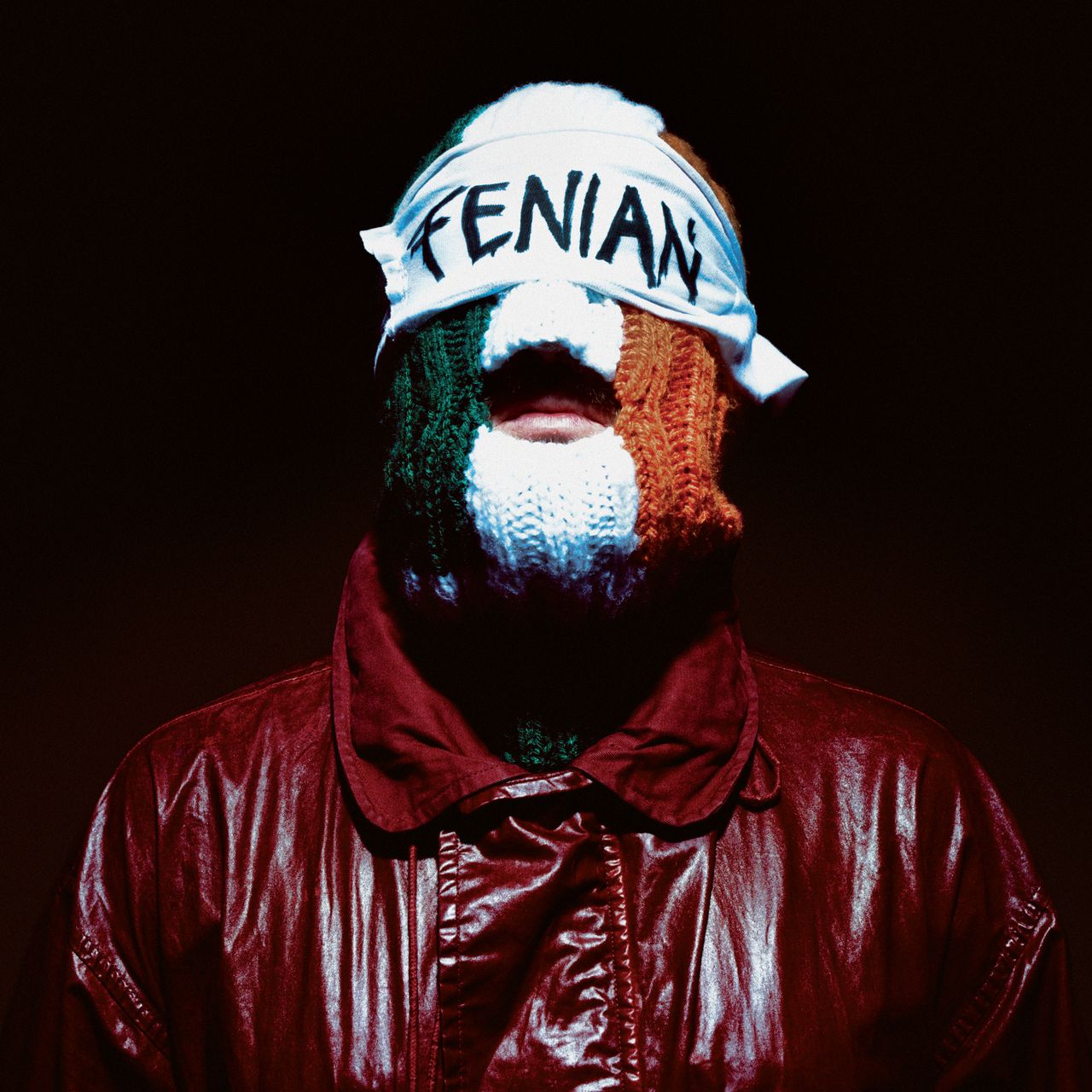
No musician can hope to change the world, however, without the tunes to back it up. Forged in the wake of the group’s rise in notoriety—the spotlight really mushroomed after last year’s Coachella Festival—Kneecap’s savage second album FENIAN translates that increased visibility to more sophisticated songcraft. Mo Chara and Móglaí Bap have always been ferocious rappers, two goliaths spitting bilingual bars over gritty electronica with the couplet-completing precision of Run the Jewels. Here, the trio sharpens its focus, marrying clever production with the soul-eating intensity that propelled its rise.
Take highlight “Big Bad Mo,” where a jittery Knight Rider-jacking riff percolates over a colossal baseline while a house-influenced piano break occasionally washes in to ease the tension. The title suggests a play on Mo Chara’s recent controversies, but the song’s real power comes from how he interacts with Móglaí Bap, their dual energy reeking absolute carnage as they pass the mic back and forth. It’s one of a collection of monstrous bangers on FENIAN, where beats are pulped in Kneecap’s hands and choruses are colossal and infinitely chantable. Even the comparatively tranquil “Carnival” features some belligerent but sticky hooks that resurrect Eminem’s MTV-conquering, bleach-blonde, hell-child era.
For FENIAN, Kneecap linked up with producer Dan Carey, better known for working with contemporary post-punk artists like Fontaines D.C. and Wet Leg, who enables the group to test themselves over a more diverse set of sounds. “Cocaine Hill,” for example, might have been one of their druggy electro tunes with Mo Chara, blinded by the lights, stumbling through the dark side of his trip “like a smicked-out banshee.” Instead, the dusty guitar riffs and heartbeat-monitoring beeps sound like Portishead on a journey of fear and loathing through the Nevada desert. And there’s even something resembling a ballad in the form of “Irish Goodbye,” Móglaí Bap’s grief-soaked ode to his mother, which is smartly placed at the end of the album so as not to be crushed by the record’s more discordant beats.
The lyrics, of course, will be scrutinized; it’s impossible not to believe that George Smiley-types have been perched in dull government offices, going through every bar with a fine-tooth comb. If facing legal action for waving a Hezbollah flag on a London stage damaged the psyche of Mo Chara, he doesn’t reveal it here. Instead, Mo mocks the system whenever possible, disdain dripping from his larynx: “Calling me ‘sceimhleitheoir,’ never heard that said before,” he sarcastically raps on the speaker-rattling “Smugglers & Scholars,” invoking the Irish word for “terrorist” and revealing the sour taste left by a term that Irish republicans have long resisted. “Liars Tale” is a foul-mouthed rebuke of Starmer’s Labour government and the Western imperialist machine of which Britain is a cog: “Look mate, the Paddies are back/Is tá deireadh le do ríocht (And your empire’s finished)/And that’s a fact.” Elsewhere, “Carnival” places Kneecap in a British courtroom: Móglaí Bap tells a judge that “the Brits are at it, repeating history”—placing Kneecap in a historical lineage of Irish oppression amid audible chants from protestors, ringing out loudly and proudly: “Free Mo Chara! Free, free Mo Chara!”
Yet to consider this an album merely meant to capitalize on controversy, or a work that’s entirely tethered to the news cycle and the click economy, would be to miss Kneecap’s deep investment in something larger than themselves. There’s “Occupied 6,” a vision of the Troubles shorn of any rose-tinted romance; there’s “Palestine,” featuring West Bank rapper Fawzi, a powerful expression of Irish-Palestinian solidarity. In these moments, the group evidences a commitment to the music itself—not as a means of achieving notoriety, but as a way of giving a voice to their community. They show, too, the trio’s conviction that a crusade in the crosshairs is worth risking whatever authorities might throw at them. The time was right for Kneecap the rap artists to reassert dominance over Kneecap the headline-makers. Consider the moment seized.