 Written by
 Walter Schreifels has been releasing music for close to 40 years and has been a member of several celebrated bands, notably Youth Of Today, Gorilla Biscuits, Quicksand and Rival Schools. As a father, prolific musician and runner, this 57-year-old scene veteran is a busy man. However, in 2017, this writer managed to grab him for a quick conversation to trace his steps from the storied Manhattan sweatbox of CBGBs to the present day.
Can you remember the first record you brought?
“My aunt Nelly gave me money to buy a Beatles seven-inch. It had a single edit of Hey Jude and Revolution was on the b-side.”
Article continues below
What made you seek them out?
“It was a kid and it was July 4. I remember seeing them on TV and I had some sparklers. I remember wondering what it would be like to touch one.”
And what happened?
“I burned my hand so badly. It was agony, but at the same time, I was fascinated by their music!”
What was your first album?
“I believe it was Parallel Lines by Blondie. I think I bought that and Blondie’s Eat To The Beat on the same day. Shit, it might not have been that, actually. It was either those Blondie records or the first B-52s record and a Boomtown Rats record on the same day. But I guess I’ll talk about Parallel Lines.”
What drew you to Blondie?
“I’d heard Heart Of Glass on the radio as a little kid and I’d heard the band name Blondie; I’d maybe seen a video and I was just in love with the singer, Debbie Harry. The record just had everything. It had these five cool-looking guys that looked like they were having fun and this beautiful girl who I must’ve been in love with in an Olivia Newton-John kinda way, but she was hotter than that – more the rockin’ side of Olivia Newton-John… I’m just trying to frame this as it was from my young, child mind!”
You grew up in New York City. Were you always a fan of hip hop?
“Hugely. It was happening as I was in junior high. I can remember hearing The Message by Grandmaster Flash and The Furious Five. Then Run DMC came along, and at the same time, there was breakdancing and Double Dutch [a craze involving skipping ropes and dancing] and all that kind of stuff. There wasn’t that many songs to get, so each one that came out was massive and it was local. You could sense it was our thing. It was awesome. At the same time, I’d listen to bands like The Clash, AC/DC and Led Zeppelin.”
So when did hardcore come crashing into your life?
“I lived in Rockaway Beach until I was five and I eventually moved to Astoria, which is closer to Manhattan. That’s where I got into hardcore and punk.”
How did you find out about bands back then?
“There was a show called ‘The Midnight Riot’ on this radio station in Long Island called WLIR. I heard The Smiths for the first time on that station and OMD, Depeche Mode, stuff like that. I’d hear Dead Kennedys, Anti-Nowhere League, GBH, Urban Waste and the Beastie Boys. I remember hearing their ‘theme’ song and immediately being into it. That’s when I thought about learning the guitar.”
Were you self-taught?
“One of my friends found a guitar teacher, so my dad wrote a cheque for $35 and I made that stretch into seven lessons. One of the first songs I learned was Back In Black. I wanted to learn California Über Alles by Dead Kennedys, but he was offended that I’d brought it up. He said, ’I find the name offensive and I’m sorry but I will not teach you this song’. So I figured it out myself. My first band was called The Rodents. I was 13.”
What was it about hardcore that appealed to you?
“It was aggressive and powerful. I’d tape that radio show and listen back to the songs. I had a base knowledge of which bands were popular and where you could get their records. But with bands like Urban Waste and Beastie Boys, lesser known bands, I couldn’t figure out where to get their records. When I moved to Astoria, I started noticing Kraut stickers – this New York punk band – and made friends with the punk skateboarder kids in the neighbourhood. I mustered the courage to go into CBGBs and other clubs in the Lower East Side. It was very transformative.”
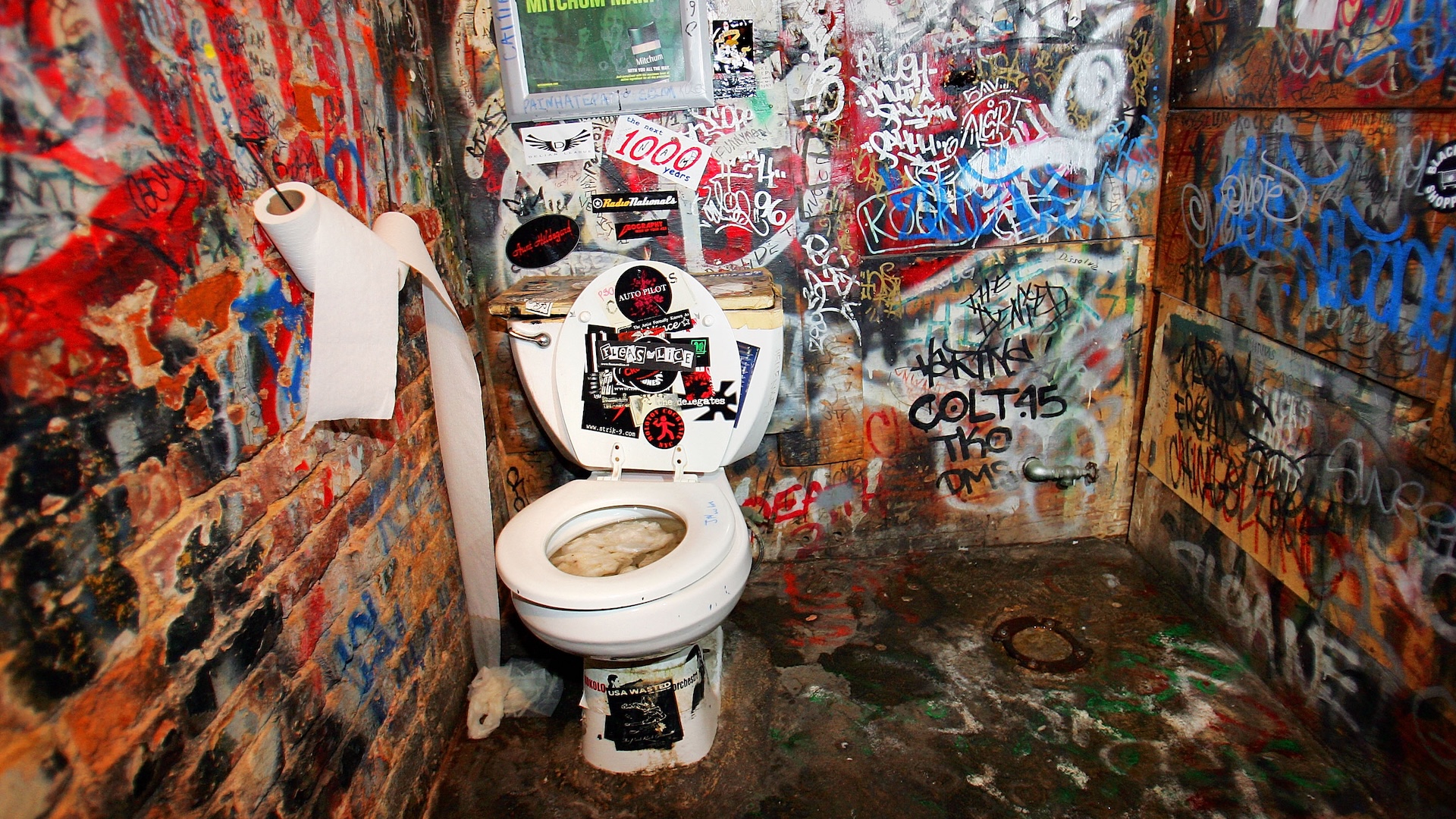
Were the CBGBs toilets as disgusting as the old photos made out?
“There were no doors and you just wanted to get in and out of there as quickly as you could. If I could help it, I’d often try to go at a pizza place a few blocks away.”
What were the Sunday matinee shows like there?
“They really were amazing. New York wasn’t on an upswing at that point. CBGBs was just trying to stay open, that was my feeling. 16-year-olds could get in, so we were let loose. The kids who went to CBGBs started forming their own bands.”
How did that change the scene?
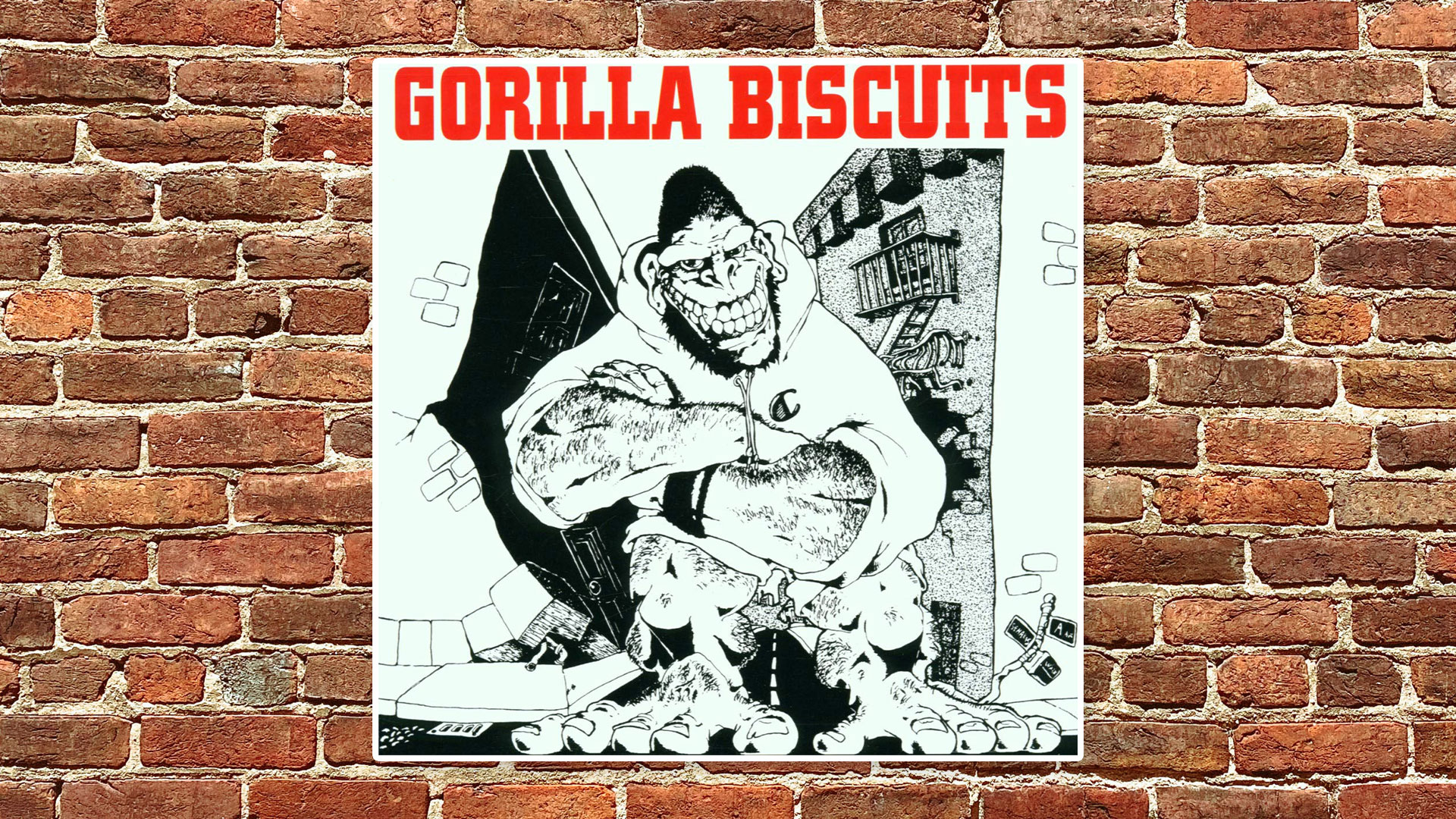
“Gradually, the out-of-town bands would come to New York and no-one would go anymore. The bands people wanted to see were local. It was an amazing, infectious thing. I was in Gorilla Biscuits at this point and there was this sense of healthy competition and camaraderie.”
How long were you straight edge?
“I was straight edge for at least a few years. Growing up in Rockaway, you start drinking when you’re 12, so I was no stranger to parties and getting hangovers. The power of Minor Threat was one of the first bands that really spoke to me in the hardcore thing and finding out there was a thing called straight edge made me think that would be a cool thing to be. It wasn’t any lifestyle choice in a sense, but I guess it was a way to be different from the kids who were getting fucked up.
“Films like Repo Men or Suburbia created the idea in your head of how you’re supposed to act; like some sort of Johnny Rotten wise-ass person. That was the idea you get when you’re first introduced to punk. My childhood and background wasn’t super-charmed or anything, but I felt I was there mostly because I really liked the music. I wasn’t going to smoke angel dust or rob people, but that was going on. I thought that straight edge would be a good antidote to that.”
How has New York changed since you were a teenager?
“When I started going to Manhattan and CBGBs, it was at the tail-end of the hangover from the 1970s; Manhattan sort of depopulated and people – like artists and kids – could live downtown cheaply because it was crime-ridden and shitty. In the 80s, they tried to start gentrifying it but it didn’t quite take.
“When Rudolph Giuliani came in as mayor, he really stressed the police and law and order and kind of militarised the place. Then [Mike] Bloomberg added to that by opening it up to investment. Giuliani kinda made it safe and Bloomberg took that safety and handed the city over to developers. There’s certain people in New York City that have so much money and it’s insane. It’s clean and safer, and it’s still wonderful and awesome in so many different ways. But if you want to be an artist and make it in New York now? Good luck. You’ve got to have rich parents.”
People usually don’t get into hardcore because they’re accepted and well-adjusted.
Walter Schreifels
Let’s talk about Quicksand’s early years. There was a three-year gap between the EP and Slip. What happened in the interim?
“We made the EP quickly and when it came out, people really picked up on it. It had a hardcore energy but we took it to some other place. The record cost $1500 and sold 15,000 copies. We signed to a major label and went to Long View Farm in Massachusetts. That was the good side of it. Everything was just nice. The people at the studio were great and everything was taken care of.”
How different was life on a major label?
“All of a sudden, we couldn’t seem to make anything for less than $250,000. It was a shitload of money. It was absurd and overwhelming to some degree. We had already did this shit by ourselves and knew what we were doing but had to play this bullshit game. There’s more cooks in the kitchen and more older people involved in your deal and taking you out to dinner. But we were given the opportunity to reach people we wouldn’t have otherwise.”
The debut album features a cover of How Soon Is Now? and introduced lots of rock fans to The Smiths. Why did you choose that song?
“I remember hearing The Smiths on a radio station in Long Island called WLIR. When we were making Slip, I thought it would be fun to cover The Smiths and do it like it was our song. At the time, there was a certain novelty about it. It’s not exclusively like this, but people usually don’t get into hardcore because they’re accepted and well-adjusted. They get into it because they need to escape and find their identity in something else.
“That’s what it was for me. It speaks to that feeling of sadness and alienation and you kinda can laugh at it. In my songs, as much as they can be dire or desperate, I always think they’re funny in a way. As much as the song Dine Alone is about loneliness, I think the lyrics are pretty funny, actually.”
How do you feel about that album decades later?
“We made a cool record and fought for it ourselves. We didn’t get a gold record out of it but I think there was something about the energy of it. For the people who did buy it, it was something they didn’t expect and had never heard before. I think that’s why we’re still in the game. Some people’s musical tastes changed because they heard that record and it led them into a whole new genre of bands. I’m happy it still resonates the way it does now.”