 Written by
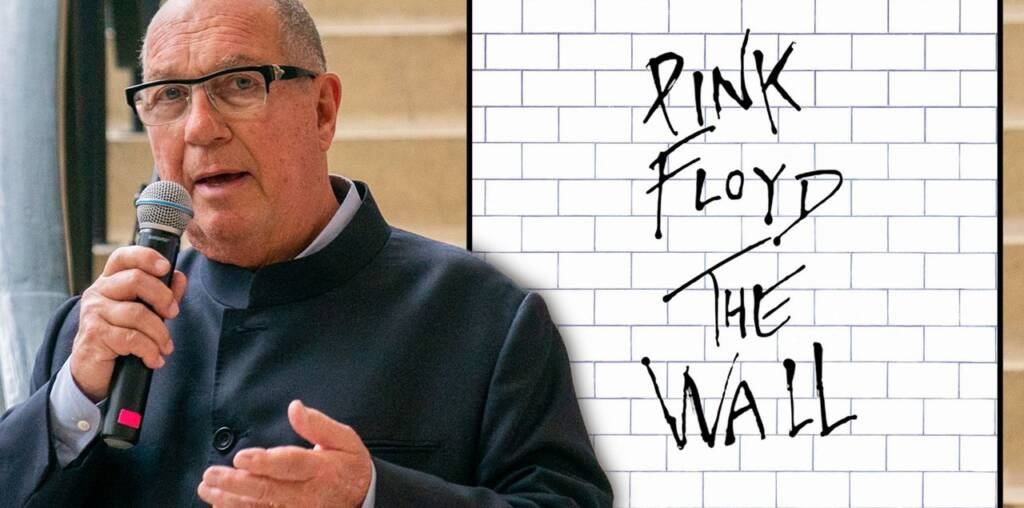
 In 2023, marking the 50th anniversary of The Dark Side Of The Moon and the launch of Pink Floyd’s Their Mortal Remains exhibitions, Hipgnosis co-founder Aubrey Powell told Prog about his company’s rise to success in company with the band, his relationship with late business partner Storm Thorgerson – and the infamous inflatable pig moment of December 1976.
Interest in Aubrey “Po” Powell’s Hipgnosis story has reached an all-time high. The design powerhouse’s best-known artwork, The Dark Side Of The Moon, has just turned 50; their wild adventures are recounted in a new biography, Us And Them (“A rollercoaster of a book,” Powell says); their greatest hits are being exhibited in Netherlands’ Groninger Museum, and filmmaker Anton Corbijn’s Hipgnosis documentary, Squaring The Circle, is due for theatrical release later this year.
As Floyd’s creative director since the passing of Storm Thorgerson, Powell says it’s not difficult to stay impartial amid the notorious disagreements surrounding the band. “We all gossip about each other, but I never take sides,” he explains. “That’s a position I’ve always maintained. I’ve been around too long to be afraid of anybody, so I always say what I think – and if somebody doesn’t like it, it’s okay; just move on.”
Article continues below
Pink Floyd’s A Saucerful Of Secrets was Hipgnosis’ first record sleeve in June 1968. How did that come about?
Storm asked the band if we could design the sleeve. We’d been impressed by Peter Blake’s artwork for Sgt Pepper. It was a piece of living sculpture – radical! Pink Floyd wanted something different too, so we created a collage out of Marvel comics and zodiacal charts, and developed it in the RCA darkroom.
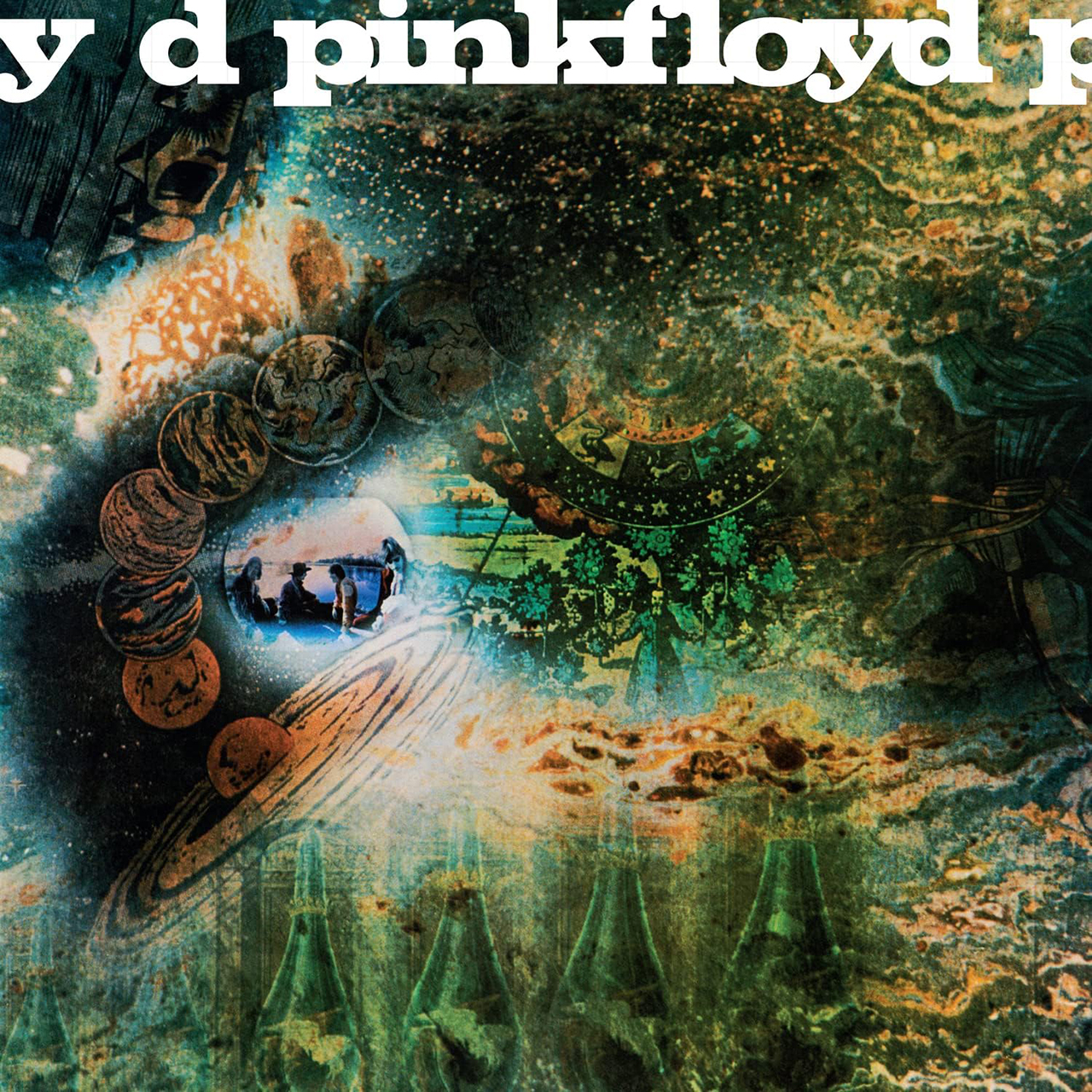
I remember delivering it to the head of EMI’s art department – me in velvet trousers and beads, saying, “Hey, man, here’s the Floyd cover” – and he looked at me like I didn’t exist. It was the moment Storm and I realised we would never work for the record companies.
Nick Mason says Pink Floyd were usually happy to back Hipgnosis up. Is that true?
Yes. Storm hated the record companies and they hated him. Storm’s attitude was: “The art comes first, the money comes second.” He was right – though he was also terrible with money. We charged £150 to £200 a cover when we started, until we decided to ask band managers what they were willing to pay. The Sweet’s manager suggested £800 – and we rubbed our hands with glee!
The cow on the sleeve of Floyd’s Atom Heart Mother cost nothing and is still talked about today.
That was inspired by French painter Marcel Duchamp, who took everyday objects and turned them into a piece of art. How much more everyday could you get than a cow? But at the time I thought it might be a step too far. I was more pragmatic than Storm and didn’t think so laterally. Of course, I was wrong!
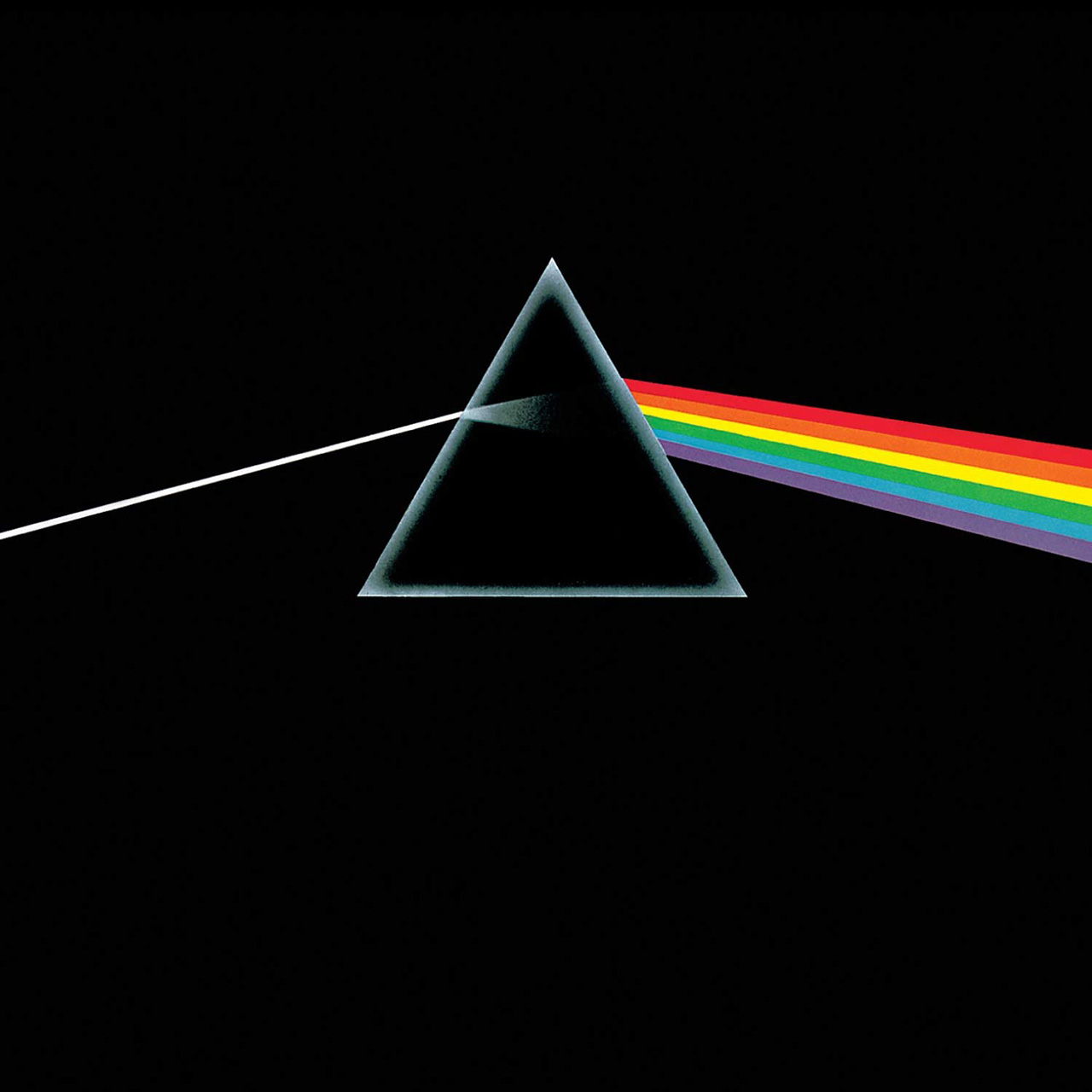
It seems like 1973 was a turning point: The Dark Side Of The Moon, Led Zeppelin’s Houses Of The Holy, Paul McCartney’s Band On The Run…
Everything took off that year. But The Dark Side Of The Moon wasn’t a typical Hipgnosis cover. Rick Wright asked us if we could design something that looked like a Black Magic box of chocolates, which Storm was rather cross about at the time. We found the design in a physics textbook. But that cover changed everything. We became the go-to record sleeve guys.
Did you notice a change in Pink Floyd after they had such a big hit album?
Yes – it happens to any band in that situation. You become rich and don’t always know how to deal with it. Suddenly you realise you don’t have to share a room in a Holiday Inn with a guy whose socks smell! You can have your own room, your own limo, your own Learjet – “Keep your hands off of my stack” – and that did happen.
That run of Floyd albums – Dark Side, Wish You Were Here, Animals – includes some of Hipgnosis’ greatest hits. What was behind that drive?
I’d include Led Zeppelin’s Presence as well. I take my hat off to Jimmy Page that they allowed us to do it. That black object had fuck-all to do with heavy rock. It was a real piece of art. Zeppelin and Floyd trusted us to come up with the goods. We had complete freedom, and money was no object.
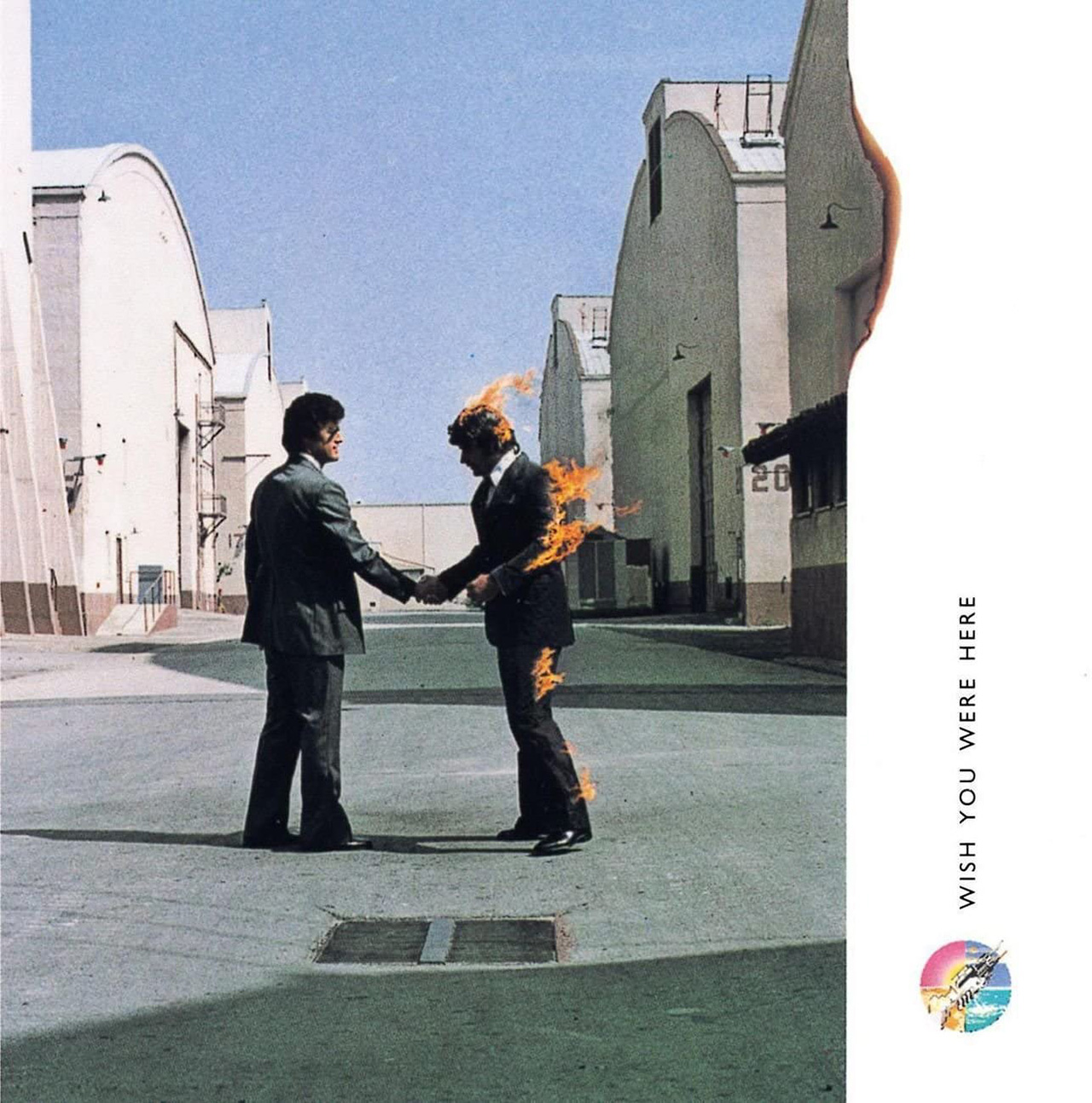
Wish You Were Here seems like an incredible production.
We had four cover images in one package. We spent two months in LA, scouting locations, setting a stuntman on fire, shooting an upside-down diver in Mono Lake, photographing a male model in the Glamis sand dunes… and then Storm covered the whole package in black shrink wrap. It was brilliant!
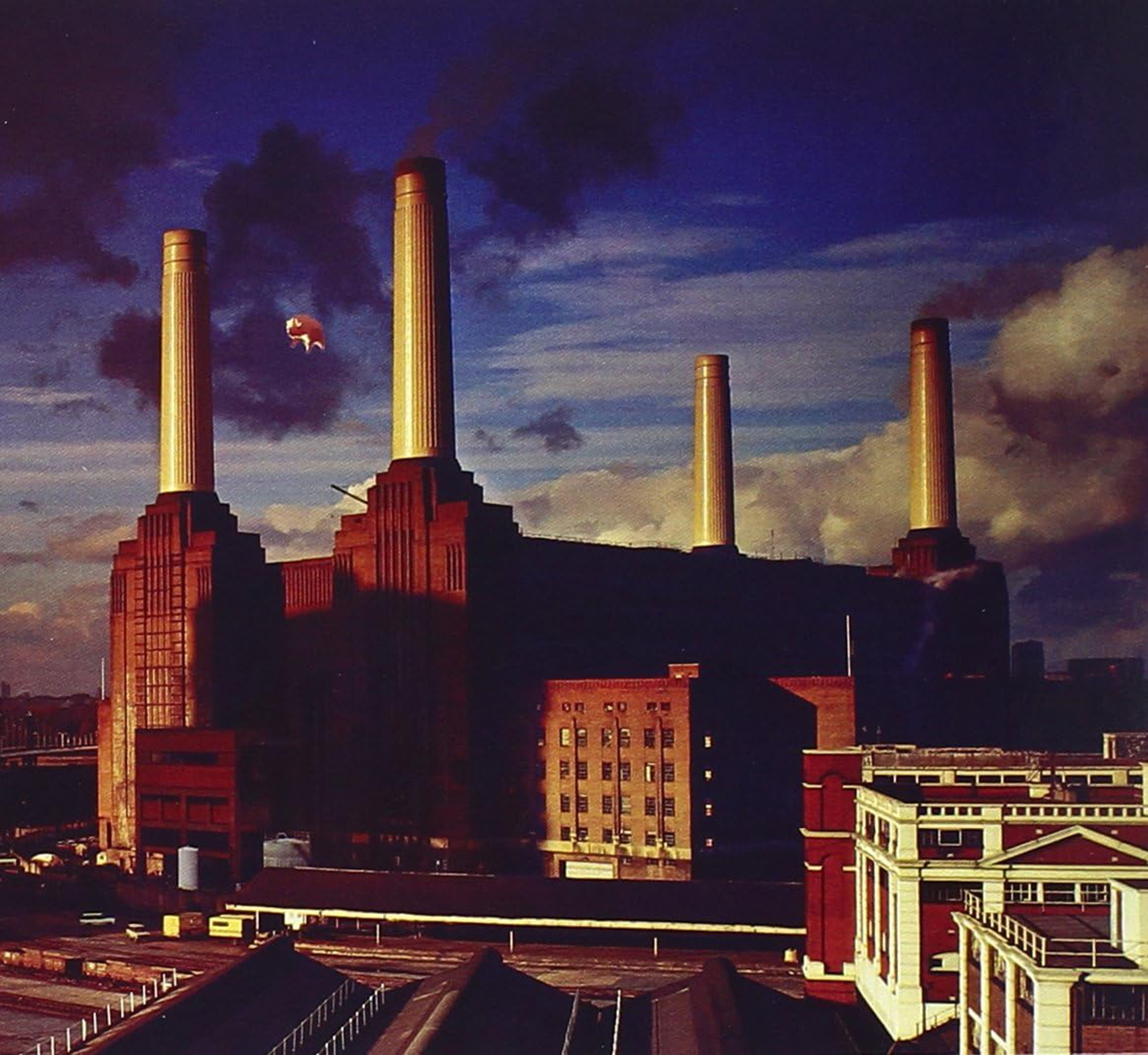
Many people presumed the inflatable pig escaping during the Animals shoot at Battersea Power Station was a publicity stunt.
They did – and we couldn’t have hoped for better publicity. But it wasn’t intentional. It was terrifying because it could have caused an air accident. I was on Battersea Bridge when the pig broke free.
I drove down to the power station where the band were watching, and saw this look of schoolboy glee on Roger Waters’ face. All of them couldn’t wait to jump in their Range Rovers and piss off – “You sort this out, Po!”
Why didn’t Hipgnosis design The Wall?
We published a book of artwork called Walk Away René [in 1978] and Storm didn’t mention that the pig on the cover of Animals had been Roger’s idea – and Roger was very angry about that. Storm and Roger hadn’t been getting on anyway.
The band had rejected Storm’s earlier ideas for the album, one of which was a drawing of a small boy opening his parents’ bedroom door and finding them fucking. Roger thought that was inappropriate. But after Walk Away René, Roger went with Gerald Scarfe for The Wall. I’m not sure Storm ever forgave him.
Is it fair to say punk was the beginning of the end for Hipgnosis?
Yes. [Designer] Jamie Reid fucked it for us! Tearing up pieces of paper and sticking them on a plain background for the Sex Pistols was not where Hipgnosis was at.
Wish You Were Here cost 50 grand. Record companies could now get a good cover for 50 quid! But, of course, we didn’t admit defeat; we carried on. Then compact discs arrived. Storm saw what was coming before I did.