 Written by
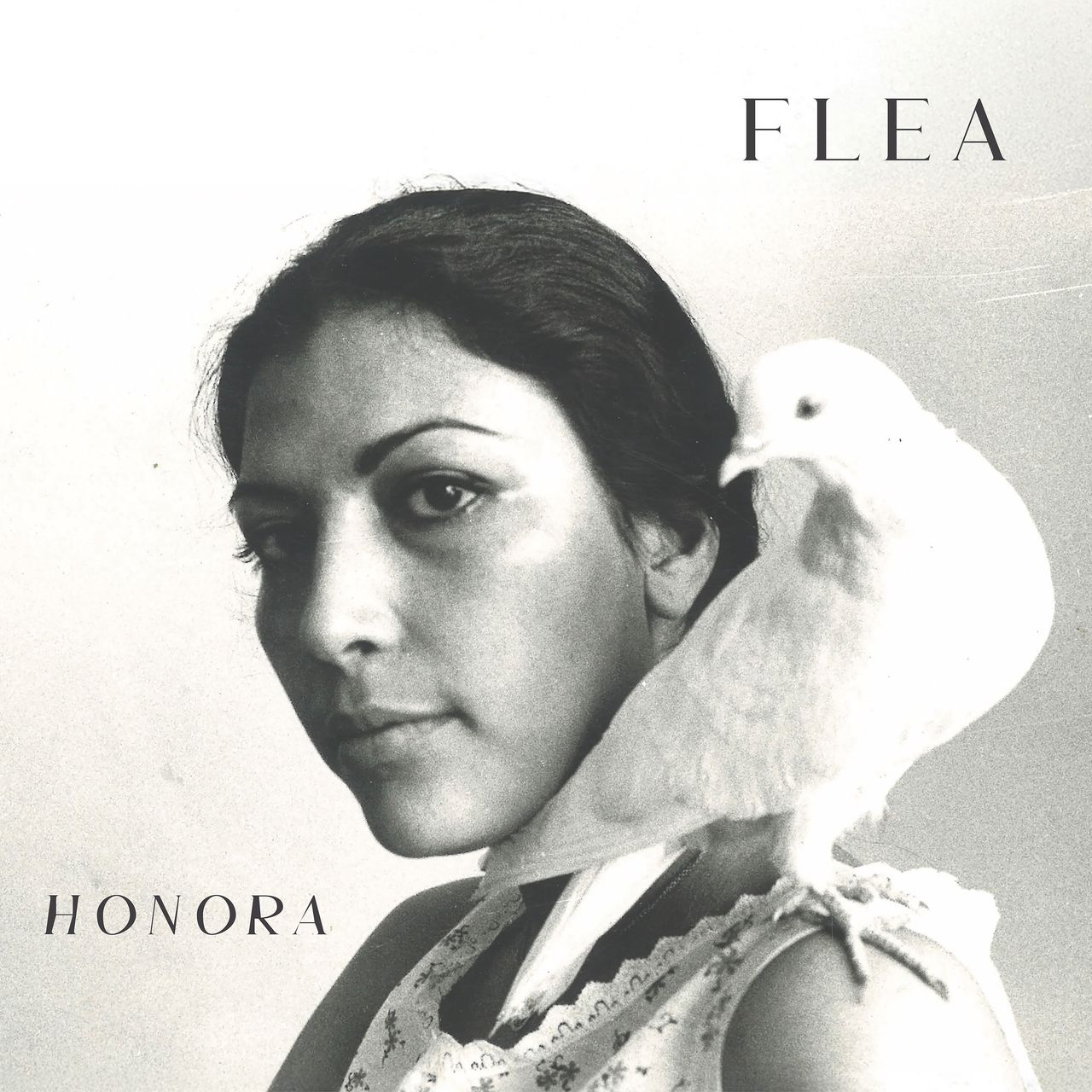
 A couple of years ago, Flea had an idea. The Red Hot Chili Peppers bassist was turning 60 and taking stock of what he wanted to do with the rest of his life. He made a deal with himself: During RHCP’s two-year-long stadium tour, he’d practice playing the trumpet—an instrument he’d learned as a kid but never mastered—every single day. Then, regardless of how much his skills had progressed, he’d make a record. By the time the tour ended, he’d undergone hundreds of practice sessions, spent innumerable hours working with L.A. jazz legend Rickey Washington (father of Kamasi), and racked up untold numbers of noise complaints in hotels around the world. He hooked up with some of the most interesting and idiosyncratic players in the Los Angeles jazz scene and, true to his word, is now releasing the first bona fide solo album of his career—an album that sounds nothing like the music that made him famous.
Does this story sound a little familiar? Flea is not the first charming weirdo from a hyper-popular and era-defining group who has pivoted to jazz. But unlike André 3000, who followed the drift of his curiosity about the many forms of the flute, Flea is reconnecting with the oldest parts of himself. “I’m FLOATING, waves of light are surging through all of me, I’m rolling around on the floor laughing, wall, carpet, ceiling, sweat, window, kick drum, shimmering golden color,” he writes in his memoir, Acid for the Children. Watching his stepfather and a few friends vamp through the jazz standard “Cherokee” turned him inside out. “If Moses had parted the seas right in front of me, or my dog started speaking the Queen’s English, it would not have been this miraculous,” he adds. He was 8 years old.
No score yet, be the first to add.
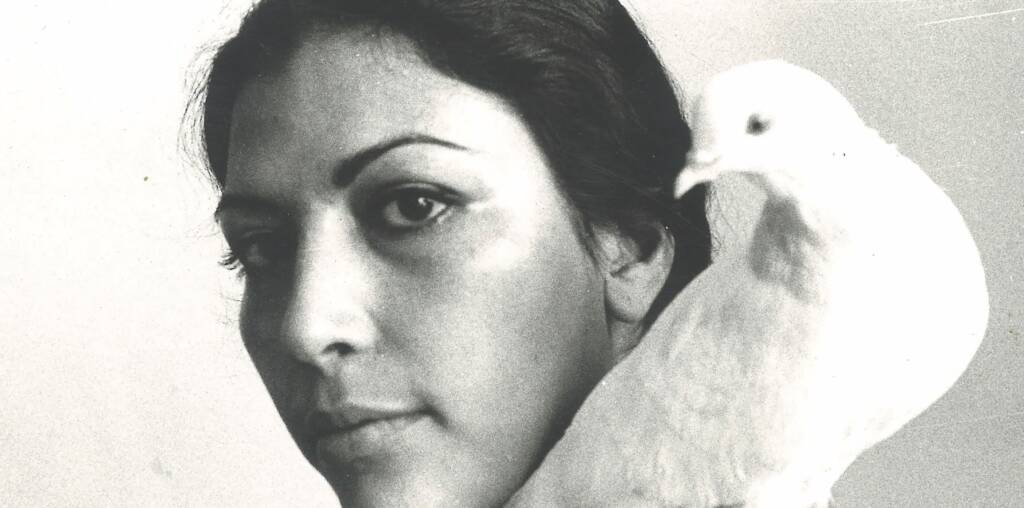
Honora isn’t the kind of lark or vanity project that sometimes results when successful musicians try their hand at another genre. Nor is it characterized by the humbled awe that shined throughout André 3000’s New Blue Sun. Instead, it’s a mature and compositionally sophisticated collection of songs whose only real unifying thread is that Flea is very excited to be playing all of them. Fans expecting the screwball energy he brings to “Around the World” or his One Hot Minute vocal cut “Pea” may be disappointed; anyone who has ever shouted in your ear at a party that, actually, the Chili Peppers would be so good if it were just Flea and John Frusciante may feel vindicated. Should Honora need to be classified, jazz is as apt a descriptor as any. But more than anything, it’s the record Flea was always meant to make and a record only Flea could make. For much of its run-time, you can practically hear him FLOATING.
The Red Hot Chili Peppers have been so popular for so long, it’s easy to take Flea’s melodic idiosyncrasy for granted. But listen to the nauseated slide of the “Give It Away” bassline and try to think of anything else on Top 40 radio before or since that sounds like that. He brings that same spirit to the trumpet. After “Morning Cry” introduces itself with a flurry of post-bop stabs straight out of Thelonious Monk’s discography, the band falls back and lets him explore the song’s edges. He moves tentatively at first, but once he finds his balance, he walks a tightrope between tonality and atonality, with Jeff Parker’s guitar egging him on. He blows empty air through his trumpet, then skitters a pattern that sounds as much like a turntable scratch as it does a jazz solo. This woozy precision and the presence of control despite the illusion of freakazoid chaos is central to Flea’s bass-playing. In the context of “Morning Cry,” it makes him and Parker sound like Miles Davis and Wayne Shorter on “Nefertiti.”
Flea’s lifelong devotion to Miles is evident throughout Honora. “Traffic Lights” and “Frailed,” both originals, are built from the same plan as the classic In a Silent Way, a gyroscope of sound in which motion somehow feels like stillness. Nathaniel Walcott’s starry-eyed keyboards in “Frailed” could’ve been pulled from a “Shhh / Peaceful” outtake (though Bad Seed Warren Ellis’ flute solo seems to gaze into the mist with the spiritual inquisitiveness of a ’70s private-press record). While the band rumbles across the groove of “Free As I Want to Be,” Flea’s distorted horn rips a hole through the song, a thrill of jerky blowing straight out of On the Corner.
While drummer Deantoni Parks reprises his role from New Blue Sun, the rest of the core group comes from a different, somewhat more traditionally minded wing of the L.A. jazz scene that centered around Highland Park’s now-closed ETA. Parker, saxophonist Josh Johnson—who played on Red Hot Chili Peppers’ Return of the Dream Canteen—and bassist Anna Butterss have all flicked between jazz, funk, and something approaching modernist chamber music with great success. Playing bass on the solo album of the world’s most famous bassist bar Paul McCartney is not necessarily an enviable gig, but Butterss is an inspired choice; they run a line through “Morning Cry” that bounces up and down with the tension and release of a bungee cord. Both on his own and with Tortoise, Parker long ago proved his ability to move between the clean playing of ECM greats like Pat Metheny or John Abercrombie and washed-out squalls of no-wave. He does both here, tidily articulating every kink in his “Traffic Lights” solo and mirroring Flea’s frantic rant in “A Plea.”
Not every turn in the road yields thrilling views. In “Traffic Lights,” Thom Yorke channels the warmth of Jim James resting deep in the song’s pocket, but the spell is broken when the Radiohead singer leans on a stale Stranger Things image—what’s happening in this crazy world today, it’s just like the Upside Down, if you think about it—an unfortunate distraction from the song’s prickly groove. Later, Flea’s love of what he calls “the honest beauty” of Frank Ocean’s classic “Thinkin Bout You” is obvious, but in his reverence, he fails to put his stamp on the song. When Miles covered bittersweet pop hits like Cyndi Lauper’s “Time After Time,” he used their emotional resonance as a jumping-off point for his own explorations. The pretty but plain runthrough of the R&B track here, though, feels like it was pulled from a ghost band playlist of café jazz covers.
But on the album’s centerpiece and arguably highest-pressure performance, Flea shines brilliantly. People have been covering Funkadelic’s almighty “Maggot Brain” since basically the moment Eddie Hazel finished tracking his legendary solo in 1971, and the influence of the Parliament-Funkadelic universe on Flea and the Red Hot Chili Peppers is immense: When their label asked if they could get anyone in the world to produce their second album, Freaky Styley, the Peps chose P-Funk mastermind George Clinton. The original is a gut-wrenching showcase for Hazel’s interpretive skills, an impassioned cry from somewhere just past exhaustion. It also totally shreds. Johnson’s arrangement here sends woodwinds and vibraphone floating through the song’s central chord progression, while Flea drifts into and away from the lines drawn by Hazel. His playing captures not only the confusion and sadness of the original, but also, in conjunction with the backing, the sense of tragic nobility that undergirds trumpeter Terence Blanchard’s work on Spike Lee’s film scores. It’s a strikingly beautiful piece of music.
This is not the first time Flea has recreated an iconic guitar solo on his trumpet. In 1993, as Nirvana was on the brink of implosion, he joined them on stage in Rio to play “Smells Like Teen Spirit.” As the band plows through the song, Flea flings his body across the stage. Without his bass, his off-kilter and hyper-kinetic dancing comes across as vulnerable and self-conscious, and his solo—a cautious, note-for-note recreation of Kurt Cobain’s—reflects that. He doesn’t just look out of place; he looks like that fact matters to him. Thirty-three years and thousands of practice-hours later, Flea still doesn’t quite fit in when he’s holding his horn. On Honora, he sounds too free to care.