 Written by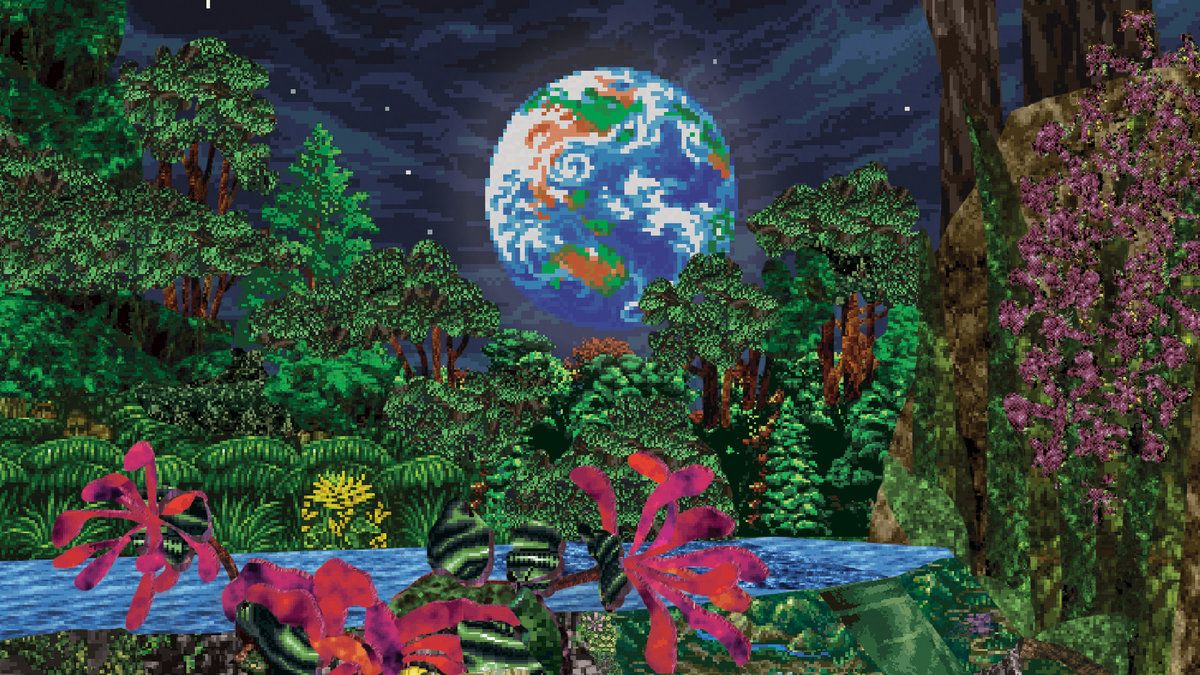
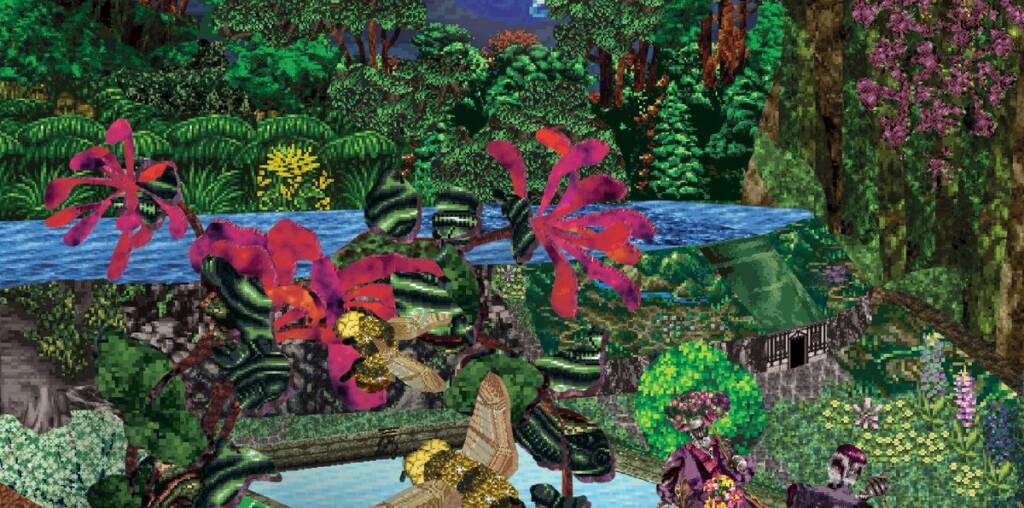
Ragger make an early bid for “most peculiarly fascinating cover album of 2026” with Euphonic Sounds, just over half an hour of 16-bit electro renditions of ragtime. Together, multi-instrumentalists Marc Riordan and Jon Leland craft a sui generis anachronism, hellbent on lovingly refracting the century-old sound through a contemporary prism. Inspired by Sousa marches and postbellum dances like the cakewalk, ragtime took off in the 1890s and defined the sound of its era. But rather than allow that foundational genre of American music to languish in novelty, Ragger urge a reconsideration of ragtime’s entrenched perception as pure whimsy.
Ragtime’s jubilant origins in vaudeville and communal dancing are apparent in its euphonious melodies and playful rhythms. It laid the groundwork for big band jazz, Harlem stride piano, and early blues before its appropriation by Tin Pan Alley songwriters and publishers. The genre derives its name from its “ragged” syncopation, eventually calcifying as the form typified by Scott Joplin’s “Maple Leaf Rag” and “The Entertainer.” Euphonic Sounds skips those metonymic standards for a deeper selection of Joplin’s catalogue (plus a single rag from fellow composer George Botsford). The time in which ragtime and its displaced beats posed a threat to “polite” (i.e., wealthy, white) society is long gone, allowing Ragger’s Moogsploitation renovations to plainly invoke the complexity and joy of the original work.
No score yet, be the first to add.
With their initial rag anthology, Riordan and Leland have filled a lingering void, creating a Switched-On Joplin for the modern age. They were catalyzed by shared affection and curiosity, between Riordan’s years fronting a ragtime quartet and the duo’s bi-weekly residency at Zebulon in Los Angeles. Instead of excavating the decaying digitalia of the ’80s or drowning in myopic sentiment, Ragger serve a pixelated platter of faithful synthesizer and V-drum performances of early 20th-century American popular song.
From the outset, Euphonic Sounds presents itself as a spinning teacup ride, owing as much to Ragger’s gonzo instrumentation as the music’s natural buoyancy. “Peacherine Rag” is giddily carnivalesque, placing the high and unadorned melody above a rhythmic engine of gently stomping bass chords and found-object percussion. The album’s timbre rarely wavers from its two-man American Fotoplayer blueprint, briefly introducing vibraphone on “Paragon Rag” and relatively subdued organ on “Weeping Willow.” Bit-frayed textures threaten sugar overload, dousing nostalgia in overwhelming Super Nintendo sweetness. The sustained marching two-step only begins to wear thin towards the record’s end; the album benefits from its short runtime and modest touches of variety.
A few tracks serve primarily as a display for Riordan’s virtuosity, briefly abandoning or minimizing Leland’s toy chest of thwacking samples. “Original Rags,” the first of Joplin’s published rags, is a solo keyboard Ferris wheel, encapsulating the air of ease and whimsy that masks ragtime’s technical difficulty. The deftness required to nail the relentless 16th-note melodies grows more transparent when unadorned. Riordan’s stripped solo toward the end of “Swipesy Cakewalk” only heightens the contrast when the hollow drums return to land the finale. Ragger diverge from the breeziness of many recorded rag performances, zeniths of the 1970s rag revival like Peter Eden’s Plugged In Joplin and Joshua Rifkin’s best-selling trio on Nonesuch, letting their synthetic sheen add fullness and richness, keeping the freewheeling dance of chord stabs aloft and maintaining its inertia.
By representing antiquated musical styles with vigorously bright and cheery tones that would sound equally vintage in 1976 or 2026, Ragger exit the time flow and ask for the music to be taken as it is. Leland and Riordan’s reactive approach to the work of a beloved composer, embellished only with timbre and junk percussion, places a cornerstone of American popular and classical music within their weirdo experimental purview. They open a ragtime rabbit hole and invite the outside world to dive in.